
Short Answer
21 Facts About Sawflies
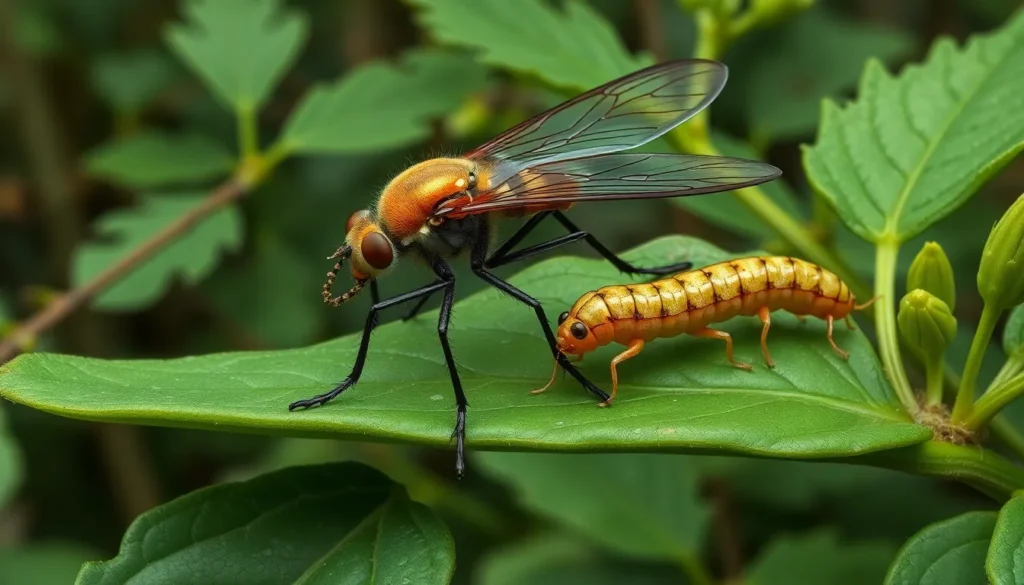
- Sawflies belong to the suborder Symphyta within the order Hymenoptera. They are closely related to wasps, bees, and ants but differ in several anatomical features.
- The name “sawfly” derives from the saw-like ovipositor females use to cut into plants to lay eggs. This ovipositor is a distinctive tool that differentiates them from other Hymenoptera.
- Sawfly larvae resemble caterpillars but belong to a different insect order. Unlike true caterpillars, which are larvae of butterflies and moths, sawfly larvae are Hymenoptera larvae.
- Larvae primarily feed on plants and can be significant herbivores. Many sawfly species’ larvae feed on leaves, sometimes in large groups, causing noticeable defoliation.
- Adult sawflies typically do not feed on plants but may consume nectar or pollen. Their primary role as adults is reproduction rather than feeding on foliage.
- Sawflies are found worldwide, with the greatest diversity in temperate regions. They inhabit forests, meadows, and gardens where host plants are available.
- There are over 7,000 known species of sawflies globally. This diversity includes a wide range of sizes, colors, and ecological niches.
- Many sawfly larvae have chemical defenses to deter predators. Some species secrete unpleasant substances or have warning coloration to avoid being eaten.
- Sawfly adults lack the narrow waist typical of other Hymenoptera. This broad connection between thorax and abdomen is a key identifying feature.
- Some sawfly species are considered pests in forestry and agriculture. Their larvae can defoliate trees such as pines, oaks, and fruit trees, impacting plant health.
- Despite their name, sawflies do not sting. They are harmless to humans and do not possess stingers like wasps or bees.
- Sawfly larvae sometimes form communal webs or feeding groups. This social behavior can enhance feeding efficiency and provide some protection.
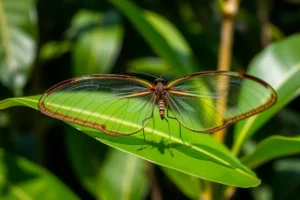
- Adult sawflies have two pairs of membranous wings with characteristic venation patterns. These wing patterns help entomologists identify species and groups.
- The life cycle of a sawfly includes egg, larval, pupal, and adult stages. Most species have one generation per year, but this can vary with climate.
- Some sawfly species have developed symbiotic relationships with fungi or bacteria. These associations can aid digestion or provide chemical defenses.
- Sawflies use chemical cues to locate host plants for oviposition. Females select suitable plants carefully to ensure larval survival.
- Parasitic wasps commonly target sawfly larvae as hosts. These parasitoids help regulate sawfly populations naturally.
- Sawflies have fossil records dating back to the Triassic period. This long evolutionary history shows their persistence through geological time.
- Sawfly larvae can be important food sources for birds and other insectivores. They contribute to food webs in their ecosystems.
- Some species of sawflies exhibit mimicry, resembling wasps or other insects. This mimicry can provide protection from predators.
- Research on sawflies contributes to understanding insect-plant interactions and pest management. They serve as model organisms in ecological and evolutionary studies.
Habitat and Behavior
Sawflies inhabit a variety of terrestrial environments, from temperate forests to grasslands and gardens. They are most abundant where their host plants grow, as larvae are herbivores feeding on specific species or groups of plants. Adults are generally short-lived and focused on reproduction. Females use their saw-like ovipositors to insert eggs into plant tissues, often leaves or stems. Larvae emerge and feed gregariously or solitarily on foliage, sometimes causing significant damage. They may form communal feeding groups or webs that help protect against predators. Larvae have various defenses including chemical secretions and warning colors. Upon completing larval development, they pupate in soil or leaf litter before emerging as adults. Sawflies play a role in the food chain, serving as prey for birds, insects, and parasitoid wasps. Many species have adapted to temperate climates, undergoing one or multiple generations per year depending on environmental conditions.
Why This Animal Matters
Sawflies contribute significantly to ecosystem dynamics through their herbivory and as prey species. By feeding on plants, they influence vegetation growth and succession, while also serving as a food source for other animals. Their interactions with plants provide insights into co-evolutionary relationships and pest management. Some sawfly species can become pests in forestry and agriculture, necessitating ecological understanding to develop sustainable control methods. Additionally, because they are sensitive to environmental changes, sawflies can act as bioindicators for habitat health. Their long evolutionary history and diverse adaptations make them important subjects in studies of insect biology, ecology, and evolution.
Common Misconceptions
Misconception: Sawflies are harmful stinging insects like wasps.
Correction: Sawflies do not sting and are harmless to humans. They lack stingers and rely on other defenses.
Misconception: Sawfly larvae are caterpillars.
Correction: While similar in appearance, sawfly larvae belong to the order Hymenoptera, not Lepidoptera, and thus are not true caterpillars.
Misconception: Sawflies only damage crops.
Correction: Although some species can be pests, many sawflies have minimal economic impact and play important ecological roles in natural habitats.
FAQ
What are sawflies?
Sawflies are insects in the suborder Symphyta of the order Hymenoptera, related to wasps and bees but distinguished by their broad waists and saw-like ovipositors used to lay eggs in plants.
Do sawflies sting?
No, sawflies do not sting. Although they resemble wasps, they lack stingers and pose no threat to humans.
Are sawfly larvae harmful to plants?
Sawfly larvae feed on plant leaves and can cause defoliation, sometimes damaging crops and trees, but most species have limited impact and are part of natural ecosystems.
Leave a Reply