
Short Answer
21 Facts About Mountain Animals
- Mountain animals have specialized adaptations for cold climates. Many species have thick fur, fat layers, or compact body shapes to conserve heat in freezing mountain temperatures.
- High-altitude animals often have enhanced respiratory systems. Species such as the Andean condor and snow leopard have evolved to efficiently utilize oxygen in thin mountain air.
- Mountain goats possess remarkable climbing abilities. Their hooves have rough pads providing traction on steep, rocky terrain.
- Alpine marmots hibernate to survive winter scarcity. They spend months in burrows to conserve energy when food is not available.
- Some mountain animals migrate seasonally. For example, mountain caribou move to lower elevations during winter to find food.
- Mountain animals often have slower reproduction rates. Harsh environments mean fewer offspring are produced but with higher parental care.
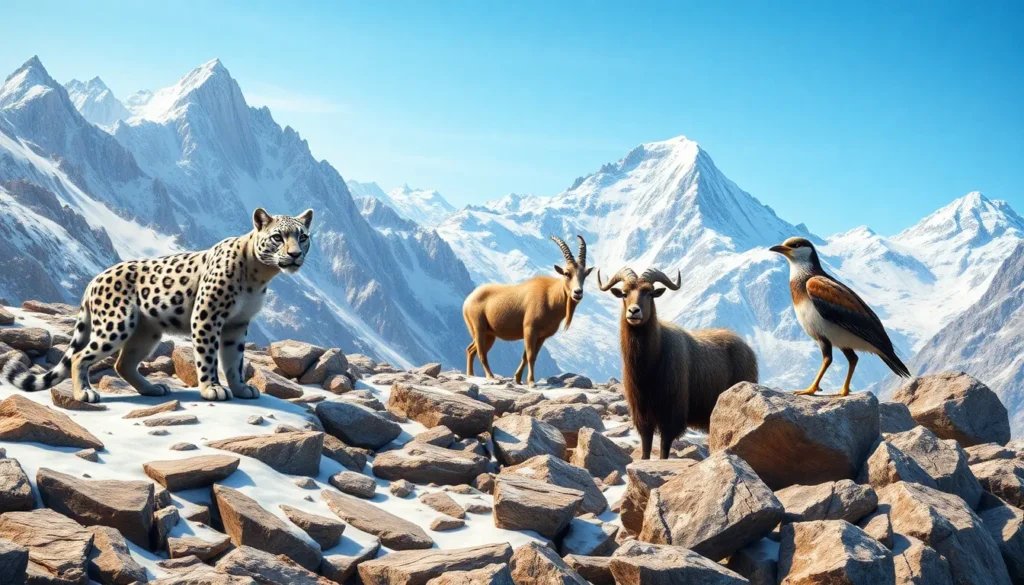
- Snow leopards are elusive apex predators of Central Asian mountains. They possess camouflaging fur and wide paws to navigate snow.
- Mountain ecosystems are biodiversity hotspots. They support unique species found nowhere else due to isolation and varied microhabitats.
- Many mountain animals rely on seasonal vegetation. Herbivores time reproduction with plant growth in spring and summer.
- Mountain birds often have high-altitude flight adaptations. Their muscles and hemoglobin support flight in low-oxygen conditions.
- Some mountain amphibians survive freezing temperatures. Certain frogs produce antifreeze-like substances to avoid ice damage.
- Mountain animals play key roles in seed dispersal and pollination. Species such as mountain hummingbirds aid plant reproduction in alpine zones.
- Mountain fauna face threats from climate change. Rising temperatures alter habitats and food availability, endangering specialized species.
- Mountain animals exhibit diverse diets. Some are strict herbivores, others carnivores or omnivores, adapting to seasonal resource changes.
- Many mountain species have cryptic coloration. Camouflage helps avoid predators or ambush prey on rocky or snowy terrain.
- Mountain animals often have slower metabolisms. This adaptation helps conserve energy when food is scarce.
- Some mountain animals are culturally significant. For example, the snow leopard is a symbol of wilderness conservation in Asia.
- Mountain ecosystems are fragile and sensitive to disturbance. Human activities like tourism and mining can have outsized impacts on animal populations.
- Mountain animals use vocalizations adapted to rugged landscapes. Sounds may carry long distances to communicate across valleys and slopes.
- Insect life in mountains is highly specialized. Cold-tolerant species perform essential ecological functions like pollination and decomposition.
- Mountain animals often coexist with human communities. Indigenous knowledge helps in conservation and sustainable coexistence.
Habitat and Behavior
Mountain animals inhabit a range of environments from alpine meadows and rocky cliffs to subalpine forests and tundra. These habitats are characterized by low temperatures, reduced oxygen levels, and variable weather conditions. To survive, mountain animals exhibit diverse adaptations including thick insulating fur or feathers, behavioral strategies such as hibernation or migration, and physiological traits like increased lung capacity or antifreeze-like blood compounds.
Behaviorally, many mountain species are solitary or live in small groups to reduce competition for limited resources. They often have specialized diets aligned with locally available vegetation or prey. Seasonal changes strongly influence activity patterns; for example, some animals are more active during warmer months and enter dormancy during winter. Reproductive timing is typically synchronized with peak food availability to enhance offspring survival.
Why This Animal Matters
Mountain animals are integral to the health and functioning of alpine and subalpine ecosystems. They contribute to nutrient cycling, seed dispersal, and maintaining prey-predator dynamics. Many mountain species are indicators of environmental changes, such as climate shifts, due to their sensitivity to habitat alterations.
Culturally, mountain animals hold significance for indigenous peoples and local communities, symbolizing resilience and connection to nature. Conservation of these animals helps preserve biodiversity and supports ecotourism, which can promote sustainable development in mountainous regions.
Common Misconceptions
Misconception: Mountain animals are always larger than lowland animals.
Correction: Size varies widely; in fact, many mountain animals are smaller or more compact to conserve heat and navigate rugged terrain.
Misconception: All mountain animals hibernate during winter.
Correction: While some species hibernate, many remain active year-round by migrating or adapting their behavior to seasonal conditions.
Misconception: Mountain animals are not affected by human activity due to remote habitats.
Correction: Human impacts such as climate change, habitat fragmentation, and tourism increasingly threaten mountain wildlife.
FAQ
What adaptations help mountain animals survive cold temperatures?
Mountain animals often have thick insulating fur or feathers, compact body shapes to reduce heat loss, and physiological adaptations such as increased metabolic rates or antifreeze blood compounds that allow them to endure freezing conditions.
How do mountain animals cope with low oxygen levels at high altitudes?
Many mountain animals have evolved enhanced lung capacity, more efficient hemoglobin, and increased red blood cell counts to optimize oxygen uptake and transport in thin air environments.
Why are mountain animals important to their ecosystems?
Mountain animals contribute to critical ecological functions such as seed dispersal, pollination, and maintaining predator-prey relationships. Their presence supports biodiversity and helps maintain the balance of alpine ecosystems.





Leave a Reply