
Short Answer
21 Facts About Hookworms
- Hookworms are parasitic nematodes. They belong to the family Ancylostomatidae and primarily infect the small intestines of mammals.
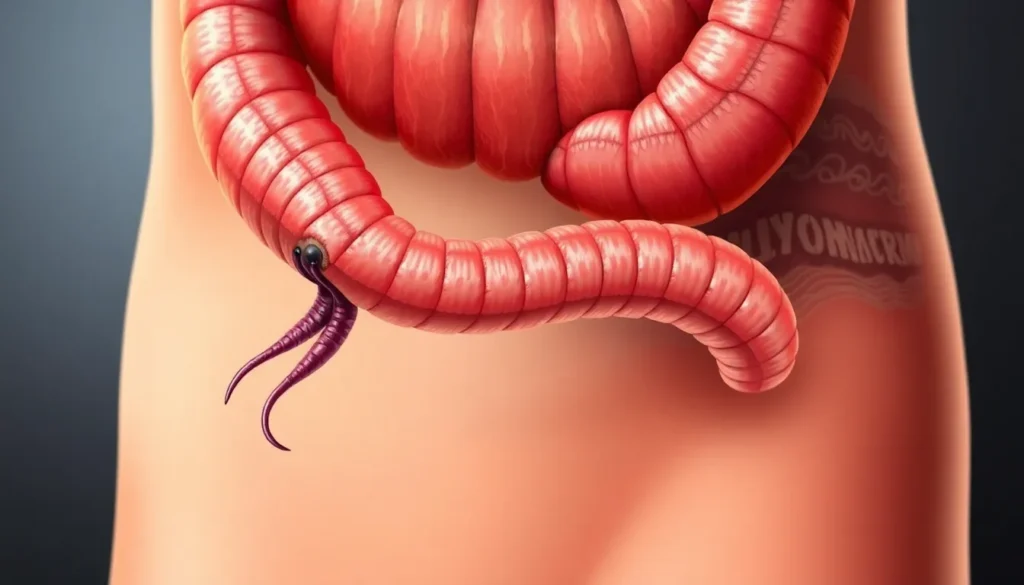
- They use hook-like mouthparts to attach to the intestinal wall. This adaptation allows them to feed on the host’s blood.
- Hookworm larvae penetrate the skin. Infection often occurs when larvae in contaminated soil enter the host through bare skin, commonly the feet.
- Two main species infect humans. These are Ancylostoma duodenale and Necator americanus.
- Infection can cause anemia. Blood loss from feeding hookworms can lead to iron-deficiency anemia and protein malnutrition.
- Hookworms have a direct life cycle. Eggs are expelled in feces, hatch into larvae in soil, and mature to infective stages without intermediate hosts.
- They are prevalent in tropical and subtropical regions. Warm, moist climates favor their survival and transmission.
- Hookworm infections are common in areas with poor sanitation. Contaminated soil from human feces serves as a reservoir for larvae.
- They can infect animals as well. Species like Ancylostoma caninum infect dogs, and some animal hookworms can occasionally infect humans.
- Hookworm infections may cause skin irritation. Initial penetration can cause a localized rash known as “ground itch.”
- Hookworms secrete anticoagulants. This prevents the host’s blood from clotting while the parasite feeds.
- The adult worms measure about 5 to 13 millimeters long. Despite their small size, they can cause significant health problems.
- Hookworm larvae migrate through the host’s body. After skin penetration, they travel via the bloodstream to the lungs before reaching the intestines.
- Hookworm infection can impair growth and cognitive development. Especially in children, chronic infection can lead to developmental delays.
- Hookworm eggs are microscopic. They are typically detected through stool examinations using microscopy.
- Hookworm infection is treatable with anthelmintic drugs. Medications such as albendazole and mebendazole are effective against these parasites.
- Preventative measures include wearing shoes and improved sanitation. Avoiding contact with contaminated soil reduces infection risk.
- Hookworms contribute to the global burden of neglected tropical diseases. They affect millions worldwide, particularly in low-income regions.
- Some research explores controlled hookworm infection for immune modulation. Studies investigate their potential to reduce autoimmune diseases, but this remains experimental.
- Hookworms have coevolved with their hosts over millions of years. Their complex life cycles reflect adaptation to mammalian physiology.
- They are part of a larger group of soil-transmitted helminths. Alongside roundworms and whipworms, hookworms contribute to parasitic infections affecting human health globally.
Habitat and Behavior
Hookworms thrive in warm, moist environments where the soil is contaminated with feces containing their eggs. Their larvae hatch in the soil and develop into infective stages that can penetrate the skin of suitable hosts. They primarily infect mammals, including humans, dogs, and cats. After skin penetration, larvae migrate through the bloodstream to the lungs, ascend the trachea, are swallowed, and mature into adult worms in the small intestine. There, they attach to the intestinal mucosa using their hook-like mouthparts and feed on the host’s blood. The adult female hookworms produce eggs that are passed in the host’s feces, continuing the life cycle. Their survival depends on environmental conditions that support larval development outside the host, such as temperature and humidity.
Why This Animal Matters
Hookworms are medically significant due to their impact on human and animal health. They cause anemia, malnutrition, and developmental impairments, particularly in impoverished regions lacking adequate sanitation. Ecologically, hookworms play a role in regulating host populations and influencing immune system dynamics. Their widespread presence highlights the importance of sanitation and public health measures worldwide. Additionally, some studies investigate their potential role in modulating immune responses, offering insights into parasite-host interactions and possible therapeutic applications. Despite their negative health effects, hookworms are an important subject of study for understanding parasitology, epidemiology, and disease control.
Common Misconceptions
Misconception: Hookworms only infect people who eat contaminated food.
Correction: Hookworm larvae typically infect hosts by penetrating the skin, often through bare feet, rather than through ingestion.
Misconception: Hookworm infections always cause severe symptoms.
Correction: Many infections are mild or asymptomatic, especially with low worm burdens, although heavy infections can cause serious health problems.
Misconception: Hookworms can be eliminated by simply avoiding contact with animals.
Correction: While some hookworm species infect animals, human infection primarily occurs through contact with contaminated soil, so sanitation and hygiene are critical for prevention.
Misconception: Hookworms are a problem only in developing countries.
Correction: Though most common in tropical and subtropical areas with poor sanitation, hookworm infections can occur anywhere conditions favor their lifecycle.
Misconception: All intestinal worms are the same as hookworms.
Correction: Hookworms are one type of intestinal parasite; others include roundworms and whipworms, each with different characteristics and life cycles.
FAQ
How do hookworms infect humans?
Hookworm larvae in contaminated soil penetrate human skin, often through bare feet, then migrate through the bloodstream to the lungs and intestines where they mature and feed.
What symptoms are caused by hookworm infection?
Common symptoms include anemia, fatigue, abdominal pain, diarrhea, and skin irritation at the site of larval entry, with severity depending on infection intensity.
How can hookworm infection be prevented?
Prevention involves improved sanitation to reduce soil contamination, wearing shoes to avoid skin contact with larvae, and public health measures to control infections.






Leave a Reply