
Short Answer
21 Facts About Freshwater Animals
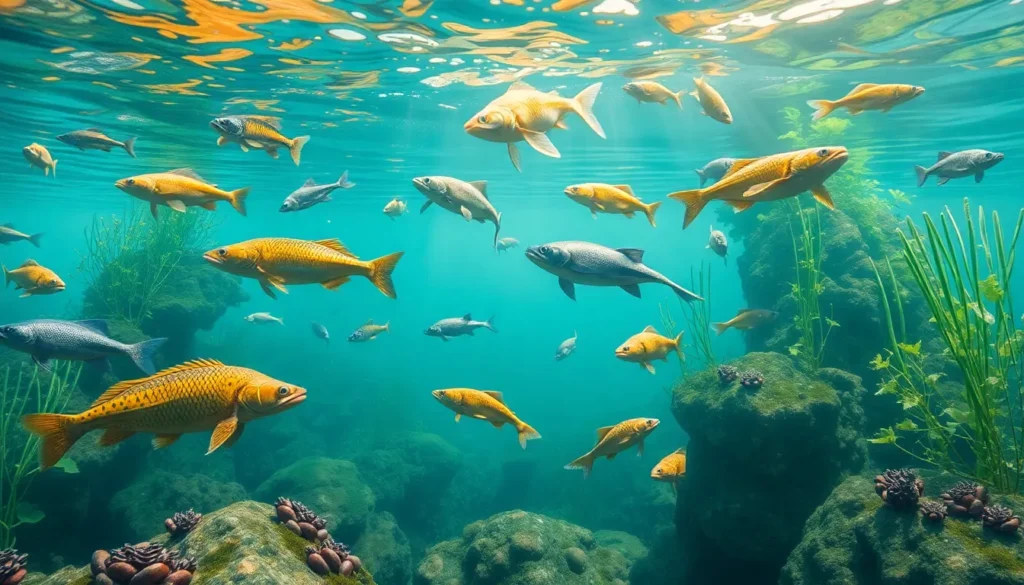
- Freshwater fish species diversity is high. Over 15,000 species of fish live in freshwater habitats worldwide, making up nearly 40% of all known fish species.
- Freshwater invertebrates play essential roles. Many insects, mollusks, and crustaceans inhabit freshwater systems and contribute to nutrient cycling and food webs.
- Some freshwater animals can survive drought. Certain species like the African lungfish can aestivate by burrowing into mud during dry periods.
- Freshwater turtles have unique adaptations. Many species can absorb oxygen through their skin or cloacal lining while underwater.
- Amphibians are strongly tied to freshwater environments. Most amphibians require water bodies for breeding, and their larvae are aquatic.
- Freshwater ecosystems house some of the world’s largest fish. The Mekong giant catfish and arapaima are among the largest freshwater fish species.
- Many freshwater animals exhibit migratory behaviors. Some species, like salmon, migrate between freshwater and marine environments during their life cycle.
- Freshwater mussels filter water. These bivalves help maintain water quality by filtering out particles and pollutants.
- Some freshwater fish have electric organs. Electric eels can generate electric shocks for hunting and defense.
- Freshwater habitats are threatened by pollution and habitat loss. Many freshwater species are endangered due to human activities affecting water quality and flow.
- Freshwater crayfish are important ecosystem engineers. Their burrowing activities influence sediment structure and water flow.
- Some freshwater animals exhibit parental care. Mouthbrooding cichlids carry eggs and fry in their mouths for protection.
- Freshwater sponges contribute to aquatic ecosystems. These simple animals filter water and provide habitat for microorganisms.
- Freshwater jellyfish exist. Certain species like Craspedacusta sowerbyi inhabit freshwater bodies, though they are less known than marine jellyfish.
- Many freshwater animals are indicators of ecosystem health. Sensitive species decline in polluted waters, signaling environmental problems.
- Freshwater fish have diverse feeding strategies. From herbivores to predators, they utilize various food sources to survive.
- Some freshwater amphibians can regenerate limbs. Species like salamanders have remarkable regenerative abilities.
- Freshwater habitats range from fast-flowing streams to still lakes. Different animals have adapted to these varied environments accordingly.
- Freshwater animals have evolved osmoregulatory mechanisms. They maintain internal salt and water balance despite fluctuating external conditions.
- Freshwater ecosystems support unique evolutionary lineages. Some species have evolved independently in isolated freshwater bodies.
- Conservation efforts are crucial for freshwater biodiversity. Protecting freshwater animals helps sustain ecosystem services vital to human well-being.
Habitat and Behavior
Freshwater animals inhabit a wide variety of environments including rivers, lakes, streams, ponds, and wetlands. These habitats can differ greatly in water flow, temperature, oxygen levels, and substrate type, all of which influence the species present. Many freshwater animals have evolved adaptations to survive in these conditions, such as specialized respiratory systems for low oxygen water or behaviors like burrowing to avoid drought or predation.
Behaviorally, freshwater animals exhibit diverse feeding habits including herbivory, carnivory, and detritivory. Many species engage in complex reproductive behaviors, such as nest building, parental care, or migration to spawning grounds. Some freshwater species are solitary, while others form schools or colonies. Their survival often depends on the quality of their aquatic environment and the availability of food and shelter.
Why This Animal Matters
Freshwater animals play critical roles in maintaining healthy aquatic ecosystems. They participate in nutrient cycling, help control populations of other organisms, and serve as prey for higher trophic levels. Many species contribute to water purification through filter feeding and sediment disturbance. Freshwater animals also have cultural and economic importance for human societies, providing food, recreational opportunities, and scientific insights.
Due to their sensitivity to environmental changes, freshwater animals are valuable bioindicators of ecosystem health. Their conservation is essential not only for preserving biodiversity but also for safeguarding freshwater resources that are vital for drinking water, agriculture, and industry.
Common Misconceptions
Misconception: All fish live in saltwater.
Correction: Many fish species inhabit freshwater environments such as rivers and lakes, with freshwater fish constituting a significant portion of global fish diversity.
Misconception: Freshwater animals do not migrate.
Correction: Several freshwater species migrate, sometimes between freshwater and marine environments, to complete their life cycles, such as salmon and eels.
Misconception: Freshwater habitats are less diverse than marine ones.
Correction: While marine habitats generally have greater species richness, freshwater ecosystems support a high diversity of specialized and unique species adapted to their environments.
Misconception: Freshwater animals can survive in any water condition.
Correction: Many freshwater species are sensitive to pollution, temperature changes, and habitat alterations, making them vulnerable to environmental disturbances.
Misconception: Freshwater jellyfish do not exist.
Correction: There are freshwater jellyfish species, such as Craspedacusta sowerbyi, which inhabit lakes and ponds, though they are less common than marine jellyfish.
FAQ
What defines a freshwater animal?
Freshwater animals are species that live in water bodies with low salt concentration, such as rivers, lakes, ponds, and wetlands, as opposed to marine or saltwater environments.
Why are freshwater animals important to ecosystems?
Freshwater animals contribute to nutrient cycling, food web dynamics, water purification, and serve as indicators of environmental health, making them essential for ecosystem stability.
How do freshwater animals adapt to varying water conditions?
They have developed physiological and behavioral adaptations such as osmoregulation to maintain internal balance, respiratory adaptations for low oxygen, and behaviors like migration or burrowing to survive environmental changes.


Leave a Reply