
Short Answer
21 Facts About Electric Eels
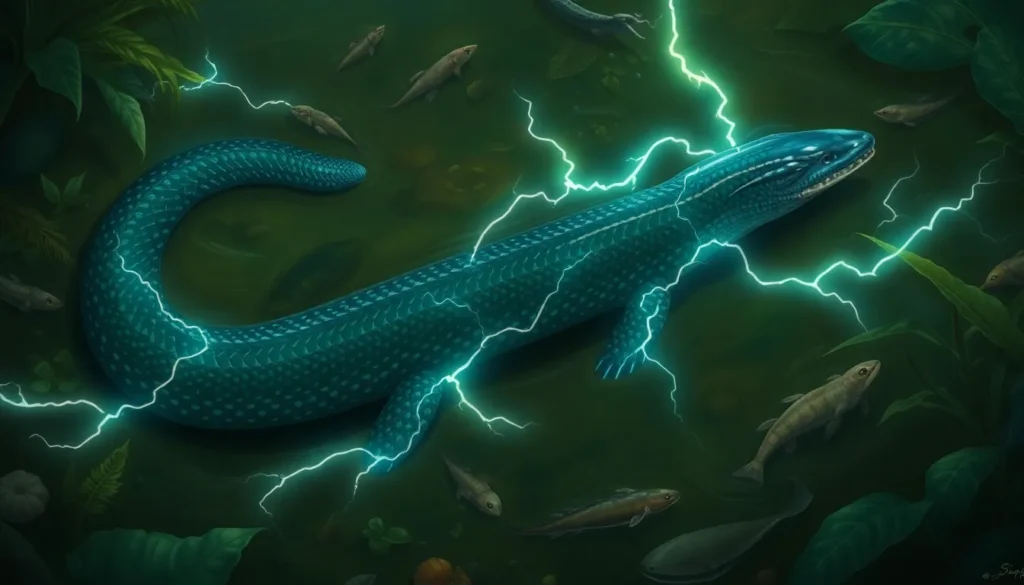
- Electric eels are not true eels. Despite their name, electric eels belong to the knifefish family and are more closely related to catfish than to true eels.
- They can produce powerful electric shocks. Electric eels can generate shocks up to 600 volts, which they use for hunting and self-defense.
- Electric organs are specialized muscle cells. The electric organs responsible for generating electricity are modified muscle cells called electrocytes.
- They have three electric organs. These include the main organ, Hunter’s organ, and Sachs’ organ, each producing different types of electrical discharges.
- Electric eels use electricity to navigate and communicate. Low-voltage discharges help them sense their environment and communicate with other electric eels.
- They live primarily in murky freshwater habitats. Electric eels inhabit slow-moving rivers, swamps, and floodplains in the Amazon and Orinoco basins.
- They are air breathers. Electric eels surface regularly to gulp air, as their aquatic environment often has low oxygen levels.
- Electric eels can grow quite large. They can reach lengths up to 2.5 meters (8 feet) and weigh up to 20 kilograms (44 pounds).
- They are solitary hunters. Electric eels typically hunt alone using bursts of electric shocks to stun prey.
- Electric eels feed mainly on fish, amphibians, and invertebrates. Their diet includes small fish, frogs, and invertebrates found in their habitat.
- Electric shocks serve both offensive and defensive purposes. They stun prey and deter predators through high-voltage discharges.
- Electric eels have poor eyesight. They rely heavily on electrolocation and other senses due to limited vision in turbid waters.
- They reproduce by building nests. Males construct nests from saliva to protect eggs during breeding season.
- Electric eel offspring are born fully functional but small. Juveniles can generate weak electric discharges shortly after hatching.
- Electric eels are capable of jumping out of water. They sometimes leap to deliver electric shocks to threats above the water surface.
- They possess a slow metabolism. This allows them to survive long periods without food in fluctuating environments.
- Electric eels have been studied for bioelectrical research. Their ability to generate electricity has made them subjects of scientific interest since the 18th century.
- They contribute to the ecological balance of their habitats. By controlling populations of smaller aquatic animals, they help maintain ecosystem health.
- Electric eels are culturally significant in some indigenous South American communities. They appear in local folklore and traditional knowledge systems.
- Electric eel populations face threats from habitat destruction. Deforestation and water pollution impact their natural habitats.
- Despite their name, electric eels are not dangerous to humans if handled properly. While their shocks can be painful, fatal incidents are extremely rare.
Habitat and Behavior
Electric eels inhabit freshwater environments primarily in the Amazon and Orinoco river basins of South America. They prefer slow-moving or stagnant waters such as swamps, floodplains, and muddy river edges where oxygen levels are often low. To cope with these conditions, electric eels surface regularly to breathe air using a specialized vascularized mouth. Behaviorally, they are solitary and nocturnal hunters, relying on their electrical discharges to stun prey and navigate murky waters. Their poor eyesight is compensated by electrolocation, which allows them to detect objects and communicate electrically with other eels. Reproduction involves males building nests from saliva, where females deposit eggs. Juveniles are capable of producing electric discharges soon after hatching, aiding in their survival.
Why This Animal Matters
Electric eels play a vital ecological role as apex predators in their freshwater ecosystems, helping regulate populations of fish and invertebrates. Their unique ability to generate electricity has fascinated scientists and contributed significantly to the understanding of bioelectric phenomena. Culturally, electric eels hold importance in indigenous South American folklore and traditional practices. Conservation-wise, they are indicators of healthy aquatic habitats, with their presence reflecting ecosystem integrity. However, habitat destruction and pollution pose threats to their populations, emphasizing the need for habitat preservation efforts.
Common Misconceptions
Misconception: Electric eels are dangerous and commonly kill humans.
Correction: While electric eels can deliver strong shocks that are painful and can cause temporary paralysis, fatal attacks on humans are extremely rare. They generally avoid human interaction.
Misconception: Electric eels are true eels.
Correction: Electric eels are not true eels. They belong to the knifefish family and are more closely related to catfish than to true eels.
Misconception: Electric eels use electricity only for hunting.
Correction: In addition to stunning prey, electric eels use electrical discharges for navigation, communication, and self-defense.
FAQ
How do electric eels generate electricity?
Electric eels generate electricity using specialized muscle cells called electrocytes arranged in electric organs. When these cells discharge simultaneously, they produce electric shocks used for hunting and defense.
Are electric eel shocks dangerous to humans?
Electric eel shocks can be painful and cause temporary numbness or muscle paralysis but are rarely fatal to humans. They generally avoid aggressive encounters with people.
Where are electric eels found?
Electric eels are native to freshwater habitats of the Amazon and Orinoco river basins in South America, where they inhabit slow-moving rivers, swamps, and floodplains.




Leave a Reply