
Short Answer
21 Facts About Earwigs
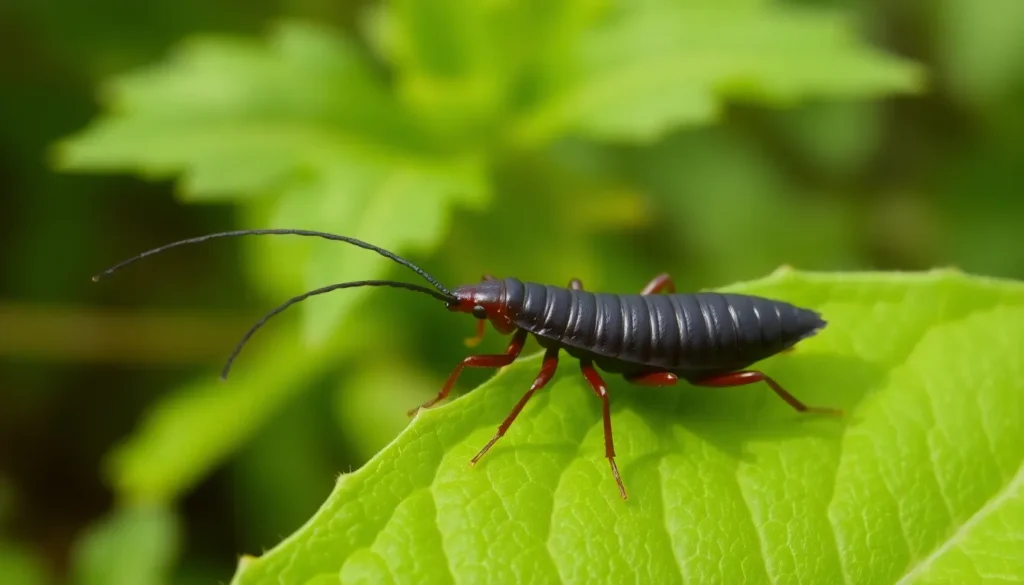
- Distinctive Cerci: Earwigs are characterized by their prominent pincers or forceps at the end of their abdomen, used for defense, mating, and capturing prey.
- Not Harmful to Humans: Despite myths, earwigs do not crawl into ears or cause harm to humans.
- Nocturnal Insects: Earwigs are primarily active at night, hiding during the day in dark, moist places.
- Large Order Dermaptera: Earwigs belong to the order Dermaptera, which includes about 2,000 known species worldwide.
- Omnivorous Diet: They consume a variety of foods including plants, fungi, and other insects.
- Maternal Care: Earwigs exhibit unusual maternal care among insects, guarding and cleaning their eggs and young.
- Flight Capability: Some earwig species have wings and can fly, although they rarely do so.
- Flattened Bodies: Their elongated and flattened bodies help them squeeze into tight spaces under bark or stones.
- Varied Habitats: Earwigs inhabit diverse environments such as gardens, forests, and agricultural fields worldwide.
- Predators and Prey: They serve as both predators of small insects and as prey for birds, amphibians, and other animals.
- Communication: Earwigs communicate through chemical signals and sometimes by stridulation, producing sounds by rubbing body parts together.
- Seasonal Behavior: Many species exhibit seasonal activity patterns, often becoming less active during colder months.
- Ecological Role: They help control pest populations and contribute to decomposition by feeding on decaying plant matter.
- Global Distribution: Earwigs are found on every continent except Antarctica.
- Species Size Range: Sizes vary from a few millimeters to over 5 centimeters depending on the species.
- Fossil Record: Earwigs have existed since at least the Jurassic period, with fossils showing ancient relatives.
- Unique Reproductive Structures: Male earwigs use their pincers during mating displays and to compete with rivals.
- Population Control: In some regions, earwigs are considered beneficial for controlling aphids and other garden pests.
- Species Diversity: The largest earwig species is the Giant Earwig (Labidura herculeana), now believed extinct.
- Adaptations: Their pincers also help in grooming and capturing prey, demonstrating multifunctional use.
- Scientific Interest: Earwigs are studied for their social behaviors and maternal care, which are unusual among insects.
Habitat and Behavior
Earwigs are generally found in moist, sheltered environments such as under rocks, bark, leaf litter, and inside crevices during daylight hours. They are nocturnal and emerge at night to feed. Their diet is diverse, including plant material, decaying organic matter, and smaller insects, which makes them omnivorous opportunists. Earwigs exhibit maternal care unusual among insects, with females guarding eggs and young nymphs until they can survive independently. Their flattened body shape allows them to inhabit narrow spaces that provide protection from predators and environmental extremes. Some species possess wings and can fly, but they tend to rely on crawling to move through their environment. Seasonal changes influence earwig behavior, with many species becoming less active or burrowing deeper during colder weather. They are found worldwide, except in polar regions, adapting to a broad range of climates and ecosystems.
Why This Animal Matters
Earwigs play an important ecological role by contributing to pest control and decomposition. Their predation on aphids and other soft-bodied insects helps manage pest populations in gardens and agricultural settings. Additionally, by feeding on decaying plant material, they aid nutrient cycling and soil health. Despite their small size, earwigs are part of complex food webs, serving as prey for birds, amphibians, and mammals. Their maternal care behaviors make them subjects of scientific research, enhancing understanding of insect sociality and evolution. While generally not threatened, some species have faced habitat loss and extinction, highlighting the importance of biodiversity conservation. Earwigs also hold cultural significance in folklore and have inspired myths and misconceptions, emphasizing the need for public education about these often misunderstood insects.
Common Misconceptions
Misconception: Earwigs crawl into human ears and cause harm.
Correction: Earwigs do not intentionally enter human ears or cause injury. This myth likely arises from their name and harmless appearance.
Misconception: Earwigs are dangerous pests that damage crops extensively.
Correction: While some species may occasionally feed on plants, earwigs are generally beneficial insects that help control pest populations and contribute to decomposition.
FAQ
Do earwigs enter human ears?
Despite popular myths, earwigs do not intentionally crawl into human ears. The myth likely originated from their name and harmless appearance.
Are earwigs harmful to plants?
Earwigs may occasionally feed on plant material, but they are generally beneficial because they also consume pest insects and decaying matter.
How do earwigs care for their young?
Female earwigs exhibit maternal care by guarding their eggs and young nymphs, cleaning them and protecting them from predators until they mature.





Leave a Reply