
Short Answer
21 Facts About Burmese Pythons
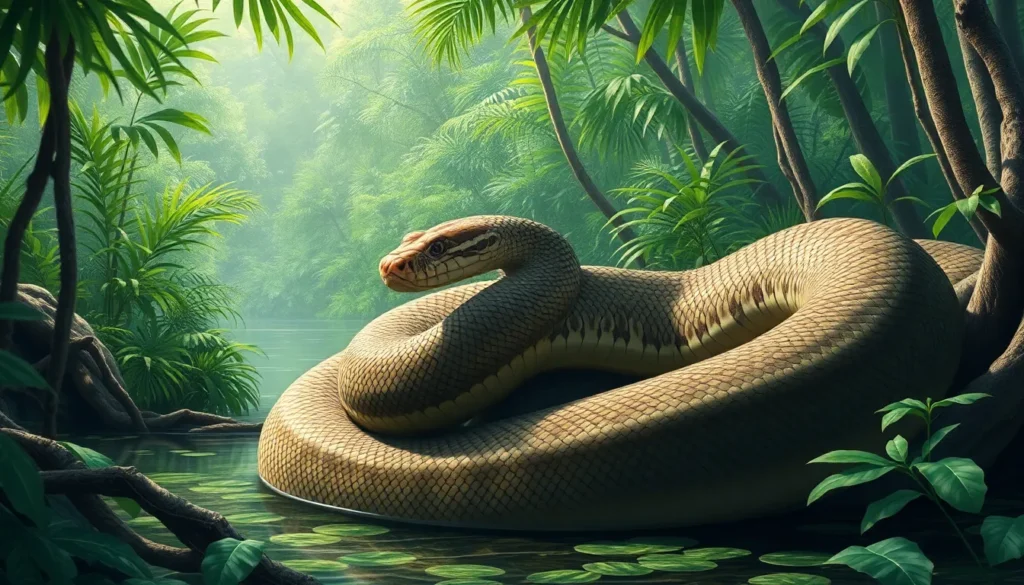
- Large Size: Burmese pythons are among the largest snake species in the world, regularly reaching lengths of 12 to 19 feet.
- Non-Venomous: They kill prey through constriction rather than venom, suffocating their prey by tightening their coils.
- Native Range: These snakes are native to Southeast Asia, including countries such as Myanmar, Thailand, Vietnam, and parts of Indonesia.
- Habitat Diversity: Burmese pythons inhabit a variety of environments, including forests, grasslands, marshes, and swamps.
- Excellent Swimmers: They are strong swimmers and can remain submerged for up to 30 minutes, facilitating their movement through watery habitats.
- Diet: Their diet includes mammals, birds, and occasionally reptiles, with larger specimens capable of consuming deer or pigs.
- Reproduction: Females lay clutches of 12 to 36 eggs and incubate them by coiling around the clutch to regulate temperature.
- Temperature Regulation: Unlike many reptiles, Burmese pythons can generate heat through muscle contractions during incubation.
- Camouflage: Their skin pattern helps them blend into forest floors, aiding in ambush hunting.
- Slow Metabolism: They can survive long periods without food after a large meal, sometimes several months.
- Life Span: In the wild, they can live up to 20-25 years, with longer lifespans in captivity.
- Invasive Species: Burmese pythons have established invasive populations in the Florida Everglades, where they threaten native wildlife.
- Impact in Florida: Their presence is linked to significant declines in small mammal populations in the Everglades.
- Predators: Juvenile pythons face predation from birds of prey and larger mammals, while adults have few natural predators.
- Size Variation: Northern populations tend to grow larger than those in southern parts of their native range.
- Behavior: They are primarily nocturnal but can be active during the day in cooler weather.
- Solitary Nature: Burmese pythons are solitary except during mating season.
- Mating Season: Typically occurs in the cooler months, during which males may engage in combat to win females.
- Conservation Status: Currently listed as Near Threatened due to habitat loss and hunting in parts of their native range.
- Human Interaction: They are sometimes kept as exotic pets, contributing to their accidental release and invasive spread.
- Scientific Importance: Burmese pythons are studied for their unique reproductive biology and adaptability to diverse environments.
Habitat and Behavior
Burmese pythons are native to a wide range of habitats across Southeast Asia, including tropical and subtropical forests, grasslands, marshes, and wetlands. They are highly adaptable, able to thrive in both terrestrial and aquatic environments due to their proficient swimming abilities. Primarily nocturnal, these snakes use their excellent camouflage to ambush prey, relying on stealth rather than speed. They are solitary animals, coming together only to mate during the cooler months. After mating, females lay eggs in hidden locations and incubate them by coiling around the clutch, generating heat through muscle contractions to maintain optimal developmental temperatures.
Why This Animal Matters
Burmese pythons play a critical role in their native ecosystems by controlling populations of various mammals and birds, which helps maintain ecological balance. Their presence as apex predators influences prey behavior and population dynamics. However, in regions where they have become invasive, such as the Florida Everglades, they pose a significant threat to native wildlife, causing disruptions in local food webs. Culturally, they are respected and sometimes feared in parts of Asia, and they have significance in folklore and traditional practices. Conservation efforts are important to ensure sustainable populations in their native habitats while managing their impact where invasive.
Common Misconceptions
Misconception: Burmese pythons are venomous and dangerous to humans.
Correction: Burmese pythons are non-venomous constrictors that typically avoid humans and only pose a risk if threatened or provoked.
Misconception: Burmese pythons can grow indefinitely large.
Correction: While they can grow very large, their growth slows significantly after reaching maturity, and they do not grow indefinitely.
Misconception: Burmese pythons only live in forests.
Correction: They inhabit a variety of environments including wetlands, grasslands, and swamps, demonstrating ecological versatility.
FAQ
Are Burmese pythons venomous?
No, Burmese pythons are non-venomous snakes. They kill their prey by constriction, wrapping their bodies around the prey and suffocating it.
How large can Burmese pythons grow?
They can grow to impressive lengths, typically between 12 and 19 feet, with some exceptional individuals exceeding 20 feet in length.
Why are Burmese pythons considered invasive in Florida?
They were introduced to Florida through the exotic pet trade and have established breeding populations in the Everglades, where they threaten native wildlife by preying on a wide range of species.




Leave a Reply