
Short Answer
When it comes to the realm of adorable wildlife, few creatures capture the heart quite like the quokka. These small marsupials, native to Australia, have made a name for themselves as the “world’s happiest animals.” Their perpetual smiles and friendly demeanor generate widespread affection and curiosity. However, there is more to quokkas than their charming grins. Here, we delve into ten captivating facts that illuminate the life of these endearing creatures and hint at the deeper reasons behind our fascination.
1. A Genuine Grin
The most distinct feature of quokkas is undoubtedly their smile. Unlike mere facial expressions, their upturned mouths are a physiological quirk. This unique adaptation allows them to appear perpetually cheerful, endowing them with the title of the “happiest animal on Earth.” This expression is not merely a reflection of their mood; it enhances their appeal to humans, often leading to playful interactions that the animals seem to enjoy.
2. A Close Relative
Quokkas, scientifically known as Setonix brachyurus, are part of the macropod family, which also includes kangaroos and wallabies. Despite their small size—typically weighing around 8 to 12 pounds—quokkas share similarities in anatomy and behavior with their larger relatives. This connection to iconic Australian marsupials adds an intriguing layer to their biology, reminding us of the evolutionary tapestry that defines the continent’s wildlife.
3. Unparalleled Adaptability
Quokkas are remarkably adaptable creatures. Originally residing in dense forests, they have successfully transitioned to urban environments, especially on Rottnest Island. This adaptability not only signifies their resilience but also reveals how wildlife can thrive amidst human encroachment. The quokka’s ability to navigate both natural and human-altered landscapes adds a fascinating dimension to its survival narrative.
4. A Social Network
Unlike many solitary marsupials, quokkas exhibit a delightful social nature. They thrive in groups known as “mobs,” fostering strong connections with one another. This social structure facilitates various activities, including foraging and play. Observing their interactions can shine a light on the emotional intelligence of these animals, inviting exploration into the reasons why humans find camaraderie so appealing.
5. The Night’s Embrace
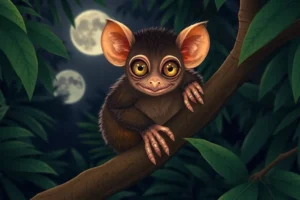
Quokkas are predominantly nocturnal, emerging from their shelters primarily at night. This behavior minimizes their exposure to predators and creates a serene environment for foraging, predominantly for grasses and leaves. Their active hours present an exquisite opportunity for stargazing enthusiasts to encounter these delightful creatures as they romp about under the moonlight, offering a magical touch to night excursions.
6. Quokka Selfie Sensation
In recent years, quokkas have become internet sensations largely due to the phenomenon of the “quokka selfie.” Tourists flock to Rottnest Island, armed with cameras to capture the quintessential image of themselves smiling alongside these fuzzy companions. This trend not only boosts tourism but also raises awareness about wildlife conservation, highlighting the intricate balance between appreciation and intrusion.
7. A Conservation Conundrum
While quokkas are adored by many, they face numerous conservation challenges. Habitat loss, invasive species, and predation by feral cats and foxes threaten their populations. Conservation efforts are underway to protect these charming marsupials, reminding us of our responsibility to safeguard the habitats of creatures that bring joy and fascination to our lives.
8. Reproductive Resilience
Quokkas possess a fascinating reproductive cycle that reflects their adaptability. Female quokkas can give birth to a single joey, which remains in the mother’s pouch for approximately six months before becoming independent. Remarkably resilient, quokkas can reproduce again within a short time after weaning, ensuring the continuity of their population in a challenging environment. This reproductive strategy is an essential element in the survival toolkit of quokkas, encapsulating their tenacity.
9. Unique Dietary Preferences
Quokkas are herbivorous, primarily consuming a variety of vegetation ranging from grasses to leaves. One intriguing aspect of their diet is their propensity to favor certain plants that are more nutrient-rich. This selective eating habit illustrates a keen instinct for self-care, echoing traits observed in many other species. Understanding their dietary preferences provides insight into their natural history and ecological importance.
10. Cultural Significance
In addition to their biological allure, quokkas hold a prominent place in Australian culture. They have often been depicted in art and literature, symbolizing the native wildlife of Australia. Their infectious demeanor and vulnerability have spurred advocacy for wildlife preservation, igniting conversations around the importance of protecting the delicate ecosystems of which they are a part.
As the sun sets over the horizon, casting a warm glow on the landscapes that these jovial marsupials call home, one can’t help but marvel at the quokka’s ability to encapsulate joy in its demeanor. Their unique blend of charm and resilience embodies the connection between humanity and nature—a reminder that understanding and appreciation are essential for conservation efforts. Through their enchanting presence, quokkas beckon us to reflect on our impact on the natural world, urging us to cherish and protect these delightful denizens of Australia.
FAQ
What is a quokka?
A quokka is a small marsupial native to Australia, known for its friendly demeanor and perpetual smile.
Why are quokkas considered the 'happiest animals'?
Quokkas have a unique facial structure that makes them appear to be smiling, which endears them to humans.
What do quokkas eat?
Quokkas are herbivorous, feeding on grasses and leaves.
Where can I see quokkas?
Quokkas are primarily found on Rottnest Island in Australia.
What threats do quokkas face?
Quokkas face threats from habitat loss, invasive species, and predation by feral animals.
Leave a Reply