
Short Answer
South America, a continent bursting with vibrant cultures, breathtaking landscapes, and a rich history, is an enthralling tapestry that captivates the imagination of travelers and scholars alike. Spanning an area of approximately 17.84 million square kilometers, it boasts an abundance of biodiversity, natural wonders, and profound socio-cultural complexities. This article delves into ten particularly intriguing facts that illuminate the multifaceted essence of South America, ensuring a deeper understanding of this magnificent land.
1. The Amazon Rainforest: The Lungs of the Planet
The Amazon Rainforest is synonymous with South America, representing over 60% of the continent’s landmass. This extensive tropical rainforest is not merely a biome; it is a vital ecosystem that plays a pivotal role in the global climate. With around 390 billion individual trees and a staggering array of plant and animal species, the Amazon is often referred to as “the lungs of the Earth” due to its immense capacity to produce oxygen and absorb carbon dioxide. The intricate web of life within this forest sustains countless indigenous communities and offers invaluable resources, making it a cornerstone of biodiversity.
2. The Andes Mountains: A Geological Marvel
The Andes, stretching over 7,000 kilometers along the western edge of South America, constitute the longest continental mountain range in the world. These formidable heights not only demarcate the geography of the continent but also influence its climate and culture. The Andean regions are home to an astonishing variety of ecosystems, from tropical forests to alpine tundras. Additionally, the mountains have fostered rich traditions and histories, including the Inca Empire, which thrived in this mountainous terrain, leaving behind vital archaeological treasures such as Machu Picchu.
3. A Melting Pot of Cultures
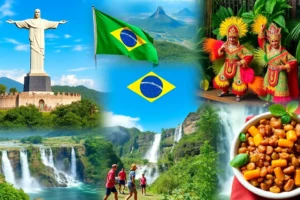
South America is a veritable melting pot of cultures originating from indigenous peoples, European colonizers, and enslaved Africans. This cultural amalgamation has given rise to unique traditions in music, dance, art, and culinary practices. From the infectious rhythms of samba in Brazil to the haunting melodies of the pan flute in the Andes, the continent pulsates with creativity. Furthermore, festivals like Carnival in Rio de Janeiro and Inti Raymi in Cusco exemplify the rich tapestry of South American cultural expression.
4. Biodiversity Hotspot: A Natural Treasure
Home to an astonishing array of flora and fauna, South America stands as one of the most biodiverse regions on the planet. The continent hosts approximately 40% of the world’s species, a testament to its varied climates and ecosystems. From the delicate orchids that flourish in the Amazon to the unique wildlife inhabiting the Galápagos Islands, the diversity is both vast and dazzling. Efforts to conserve this biodiversity face significant challenges, particularly due to habitat destruction and climate change, making awareness and protection efforts crucial.
5. The Atacama Desert: The Driest Place on Earth
The Atacama Desert, straddling northern Chile, holds the title of the driest nonpolar desert on Earth, receiving as little as 1 millimeter of rain annually. This harsh, arid landscape is characterized by its otherworldly terrain, comprised of salt flats, volcanoes, and geysers. Despite its desolate appearance, it harbors some specialized flora and fauna, showcasing nature’s resilience. Scientists utilize the region’s climate to study life in extreme conditions, offering insights that could help understand potential life on other planets.
6. The Falkland Islands: A Surprising Sovereignty
Situated in the South Atlantic Ocean, the Falkland Islands are a small but significant archipelago that has been a source of political contention between the United Kingdom and Argentina. Despite their small population, the islands boast a diverse range of wildlife, including colonies of penguins and seals. This politically charged territory is emblematic of broader themes of colonial legacies in South America and continues to spark discussions about sovereignty and national identity.
7. The Impact of the Inca Empire
The Inca Empire, which reigned from the early 15th century until the Spanish conquest in the 16th century, drastically molded the cultural and architectural landscape of the Andean region. Renowned for their remarkable engineering feats, such as the construction of extensive road networks and agricultural terraces, the Incas created a sophisticated society that thrived on innovation and adaptation. Their legacy is interwoven with the contemporary cultural fabric of countries like Peru and Bolivia, where ancient traditions still flourish.
8. The Pantanal: The World’s Largest Tropical Wetland
Spanning across Brazil, Paraguay, and Bolivia, the Pantanal is the largest tropical wetland globally, encompassing an area of approximately 150,000 square kilometers. Renowned for its exceptional biodiversity, the Pantanal is a haven for wildlife enthusiasts. It hosts an array of species, including jaguars, capybaras, and a plethora of avian life. The region plays a crucial role in regulating the local climate and providing essential resources for surrounding communities, embodying the intricate balance of nature.
9. Languages and Dialects: The Linguistic Tapestry
South America is home to a plethora of languages and dialects, reflecting its rich cultural heritage. Spanish and Portuguese dominate as the official languages, but numerous indigenous languages, such as Quechua, Guarani, and Aymara, are spoken across the continent. Each language encapsulates unique worldviews and traditions, underpinning the significance of cultural preservation in an era of globalization. This linguistic diversity contributes to the vibrant identities of various communities, fostering a sense of belonging and continuity.
10. Ecotourism: A Sustainable Future
As awareness of environmental issues burgeons, ecotourism has emerged as a sustainable avenue for South America. Visitors are increasingly drawn to its pristine landscapes—such as the Amazon rainforest, the Andes mountains, and the Galápagos Islands—while aiming to minimize their ecological footprint. Responsible tourism initiatives not only generate revenue for local communities but also promote environmental conservation and cultural appreciation, ensuring that the continent’s natural and cultural treasures endure for future generations.
In conclusion, South America is a continent teeming with extraordinary stories, diverse ecosystems, and vibrant cultures. From its breathtaking landscapes, marked by the towering Andes and the vast Amazon, to its rich historical narratives rooted in both ancient civilizations and modern developments, South America continues to fascinate and inspire. These ten massive facts only scratch the surface of what this remarkable continent has to offer, inviting further exploration and appreciation for its multifaceted identity.
FAQ
What is the largest tropical wetland in South America?
The Pantanal is the largest tropical wetland globally, located in Brazil, Paraguay, and Bolivia.
What significant historical empire thrived in South America?
The Inca Empire significantly shaped the cultural and architectural landscape of the Andean region.
What is the driest place on Earth?
The Atacama Desert in northern Chile holds the title of the driest nonpolar desert on Earth.



Leave a Reply