
Short Answer
21 Facts About Mandarinfish
- Scientific Classification
Mandarinfish belong to the genus Synchiropus within the family Callionymidae, commonly called dragonets. - Distinctive Coloration
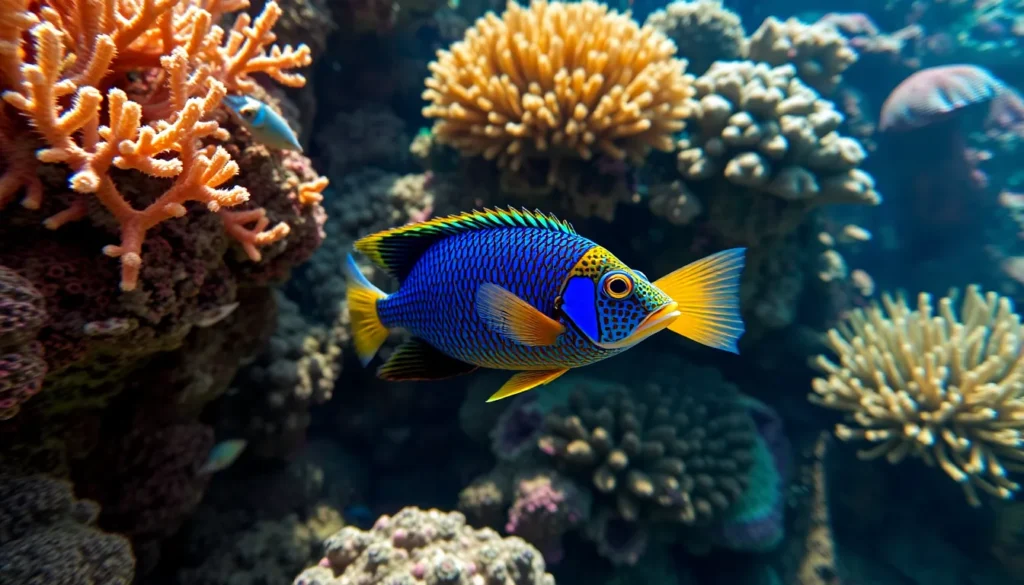
Mandarinfish are renowned for their bright blue, orange, and green patterns, making them one of the most colorful fish in the ocean. - Species Variety
The most well-known species is Synchiropus splendidus, commonly called the mandarin dragonet or mandarin fish. - Small Size
Adult mandarinfish typically measure around 6 to 8 centimeters (2.4 to 3.1 inches) in length. - Habitat
They primarily inhabit shallow coral reefs and lagoons in the Pacific, especially around the Philippines, Australia, and Indonesia. - No Scales
Unlike many fish, mandarinfish lack traditional scales, instead having a thick, mucus-covered skin that protects them from parasites and toxins. - Diet
Mandarinfish feed mainly on small crustaceans and other invertebrates found in coral rubble and sand. - Unique Mating Behavior
They perform a distinctive courtship dance at dusk, where males display their vibrant colors to attract females. - Egg-Laying
Mandarinfish are oviparous, releasing eggs and sperm into the water column, where fertilization occurs externally. - Short Lifespan
The average lifespan of mandarinfish in the wild is about 4 years. - Poisonous Mucus
Their skin secretes a toxic mucus that deters predators, making them unpalatable despite their bright colors. - Territoriality
Mandarinfish are known to be territorial, especially males defending small areas against rivals. - Diurnal Activity
They are active during the day and typically rest within the reef structure at night. - Camouflage Ability
Despite their bright colors, mandarinfish can blend in with surrounding coral and algae due to the complexity of their patterns. - Popular in Aquariums
Mandarinfish are sought after for marine aquariums but require specific care due to their diet and delicate nature. - Low Reproductive Output
Because fertilization happens in open water, many eggs are lost to predation, limiting population growth. - Slow Swimmers
Mandarinfish move slowly and use their pectoral fins for precise maneuvering rather than speed. - Symbiotic Relationships
They often associate with coral reefs that provide shelter and abundant food sources. - Vulnerable to Habitat Loss
Coral reef degradation poses a threat to mandarinfish populations by reducing their natural habitat. - No Commercial Fishing Interest
They are not targeted by fisheries due to their size and toxicity but are sometimes collected for the aquarium trade. - Research Interest
Mandarinfish are studied for their unique coloration mechanisms and reproductive behaviors.
Habitat and Behavior
Mandarinfish inhabit warm, shallow coral reefs and lagoons in the western Pacific Ocean, including regions near the Philippines, Indonesia, and Australia. They prefer sheltered reef slopes and areas with abundant coral rubble and algal growth, which provide both food and protection. Mandarinfish are benthic and spend most of their time near or on the substrate, using their pectoral fins to crawl along the reef surface rather than swimming continuously.
Behaviorally, mandarinfish are diurnal, foraging during daylight hours for small crustaceans and other invertebrates. Their vibrant coloration serves as both camouflage amid the colorful corals and a warning to potential predators about their toxic mucus secretions. Males are territorial and display aggressive behaviors toward rivals, especially during the breeding season. Their courtship involves a unique upward swimming dance at dusk, culminating in the release of eggs and sperm into the water column for external fertilization.
Why This Animal Matters
Mandarinfish play an important ecological role within coral reef ecosystems as predators of small invertebrates, helping to maintain the balance of reef communities. Their presence indicates healthy reef environments, as they rely on complex coral structures for shelter and feeding grounds. Additionally, their striking appearance has contributed to scientific interest in understanding coloration and toxicity in marine species.
From a cultural perspective, mandarinfish have become symbolic of the vibrant biodiversity of coral reefs and are popular among divers and marine enthusiasts. Conservation-wise, mandarinfish are vulnerable to coral reef degradation and collection for the aquarium trade, making them an informal indicator species for reef health and the impacts of human activities on marine habitats.
Common Misconceptions
Misconception: Mandarinfish are brightly colored because they are poisonous.
Correction: While mandarinfish secrete toxic mucus that deters predators, their coloration primarily serves as camouflage among coral reefs and as a warning signal for toxicity, not solely to indicate being poisonous.
Misconception: Mandarinfish are easy to keep in home aquariums.
Correction: Mandarinfish have specialized dietary needs and require carefully maintained reef-like environments, making them challenging to care for in captivity.
FAQ
What do mandarinfish eat?
Mandarinfish primarily feed on small crustaceans and other tiny invertebrates found within coral reefs, such as copepods and amphipods.
Are mandarinfish poisonous?
Mandarinfish secrete a toxic mucus that deters predators, but they are not venomous. Their bright colors serve as a warning signal to potential threats.
Can mandarinfish be kept in home aquariums?
While mandarinfish are popular in the aquarium trade, they require specialized care including a diet of live foods and a well-established reef environment, making them challenging for most hobbyists.



Leave a Reply