
Short Answer
Snapping turtles are intriguing creatures often spotted basking in shallow waters or lumbering along the banks of rivers and ponds. Their formidable appearance, characterized by a rugged shell and a long, serrated tail, frequently garners curious gazes and awe from onlookers. However, these ancient reptiles are far more than mere curiosities; they represent one of the most primitive branches of life still extant today, aptly earning them the designation of “living fossils.” This article endeavors to explore the exquisite biology, behavioral patterns, and ecological significance of snapping turtles, while also delving into the reasons behind the profound fascination they inspire.
1. Evolutionary Heritage
Snapping turtles belong to the Chelydridae family and have inhabited the planet for over 200 million years. This lineage predates even the dinosaurs, making them one of the earliest forms of terrestrial life. Their fossil record reveals a lineage that has undergone remarkably little change, allowing them to adapt to various ecological niches while maintaining their primitive morphology. The astonishing longevity of their evolutionary lineage invites introspection about resilience and adaptability in an ever-changing world.
2. Anatomy and Physiology
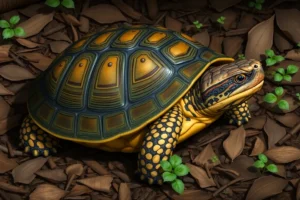
The physical characteristics of snapping turtles are equally captivating. They possess a large, heavy carapace, which provides protection while allowing for the development of a powerful bite. Their jaw structure, devoid of teeth but equipped with sharp, beak-like edges, enables them to effortlessly snap through a variety of materials, from aquatic vegetation to unwary prey. The rough, algae-covered appearance of their shells is not merely incidental; it functions as an effective camouflage, blending effortlessly into muddy waters and deterring potential threats.
Another fascinating feature is their long necks, which can extend up to several inches, allowing them to strike quickly while remaining mostly submerged. This hunting strategy reflects their ambush posture, waiting patiently for unsuspecting fish or other prey to venture too close before unleashing their ferocious bite.
3. Behavior and Ecology
snapping turtles exhibit a unique blend of behaviors that underscore their adaptability and survival instincts. They are primarily opportunistic feeders, consuming a diet that varies from aquatic plants to carrion. The incautious predation often witnessed among snapping turtles serves as a crucial ecological function, helping to maintain the balance of their habitats by controlling populations of fish and invertebrates.
These turtles are also known for their surprising longevity. In the wild, they can live for over 40 years, and some individuals may even surpass 100 years under optimal conditions. This longevity reflects their methods of energy conservation and resource management, allowing them to thrive in diverse environments, from freshwater lakes to brackish estuaries.
4. Cultural Significance and Beliefs
The cultural perception of snapping turtles is a tapestry woven from their physical form and ecological roles. In some Native American traditions, snapping turtles symbolize resilience and endurance. Their ability to thrive in various conditions has led to interpretations of them as messengers or guardians of the earth. Such beliefs draw attention to the lessons these ancient creatures impart about sustainability and respect for nature.
Additionally, their robust stature and formidable nature often made them subjects of folklore and myth, marking their importance in human culture. Tales of snapping turtles featuring in legends echo a blend of fear and admiration, which encapsulates the complex relationships humans have forged with wildlife throughout history.
5. Conservation Status
Despite their historical prominence, snapping turtles now face significant threats due to habitat loss, pollution, and overexploitation. Urbanization has encroached upon their natural habitats, disrupting their breeding grounds and food sources. Moreover, they often perish in road crossings as they migrate between water bodies, illustrating the quintessential conflict between human expansion and wildlife conservation. Efforts to protect snapping turtles have become increasingly necessary, sparking local initiatives focused on habitat restoration and public awareness campaigns.
By promoting healthy wetlands and water sources, conservation programs seek to bolster snapping turtle populations, ensuring that these living fossils continue to resonate with future generations. Education plays a vital role in shifting perceptions regarding these creatures, inviting a deeper appreciation for their ecological roles and evolutionary significance.
6. Fascination Beyond the Surface
What fuels the fascination with snapping turtles extends beyond mere appearances. Their ancient lineage, unique adaptations, and vital roles within their ecosystems provoke deeper reflections on resilience, adaptability, and the complexities of nature. Snapping turtles symbolize the connection between the past and present—a poignant reminder of the evolutionary journey of life on Earth.
Witnessing such an arcane creature can evoke profound questions about survival, inheritance, and the environmental changes that prompt resilience. This level of contemplation fosters a more profound relationship between humans and wildlife, allowing for a greater understanding of the challenges facing the natural world.
Conclusion
In conclusion, snapping turtles are not only remarkable for their physical attributes and ancient lineage, but they also symbolize resilience amidst adversity. Their existence urges a deeper appreciation for the myriad ways life endures and adapts. As “living fossils,” they provide invaluable insights into the history of evolution and the importance of conservation efforts. By recognizing and respecting these remarkable beings, we can ensure their legacy continues to thrive for generations to come. Embracing the complexity of their existence enriches our understanding of the natural world and fortifies our commitment to preserving the environments that sustain us all.
FAQ
What are snapping turtles?
Snapping turtles are ancient reptiles known for their formidable appearance and adaptability, often referred to as 'living fossils.'
How long do snapping turtles live?
In the wild, snapping turtles can live for over 40 years, with some individuals surpassing 100 years under optimal conditions.
What do snapping turtles eat?
Snapping turtles are opportunistic feeders, consuming a varied diet that includes aquatic plants, fish, and carrion.




Leave a Reply