
Short Answer
21 Facts About Sea Lily
- Ancient Existence
Sea lilies have existed for over 500 million years, dating back to the Cambrian period, making them one of the oldest living organisms on Earth. - Unique Structure
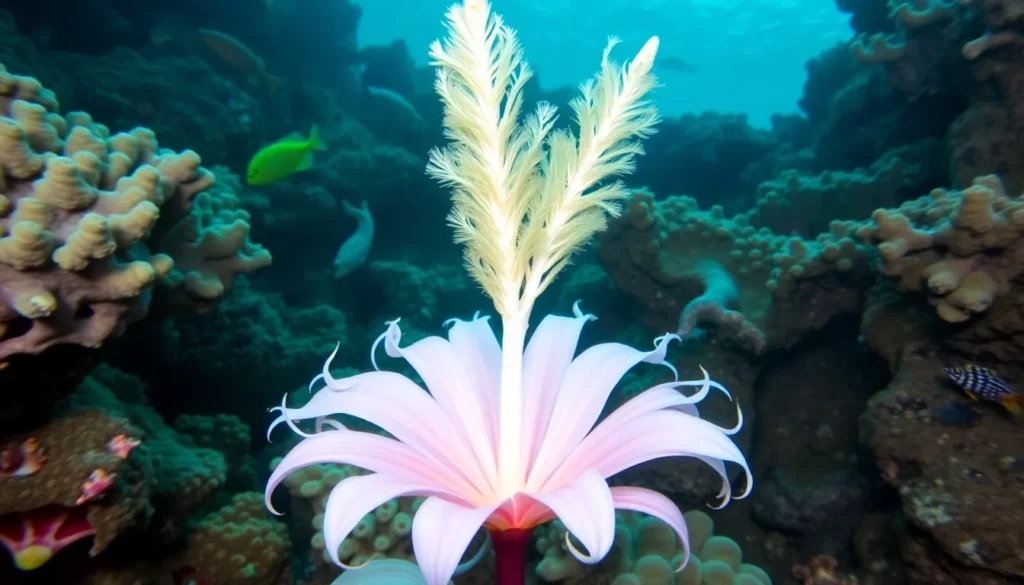
They are characterized by their stalks, which can be several meters long, supporting a crown of feathery arms used for feeding. - Feeding Mechanism
Sea lilies feed by filtering plankton and organic particles from the water using their tube-like arms covered in tiny sticky cells. - Habitat Preference
They typically inhabit deep-sea environments, often found on the ocean floor attached to rocks or coral, though some species can be found in shallower waters. - Reproductive Strategies
Sea lilies can reproduce both sexually and asexually, with some species capable of regenerating lost parts, including their stalks. - Color Variation
They exhibit a range of colors, including white, pink, and red, which can help them blend into their environments or attract mates. - Symbiotic Relationships
Some sea lilies host small animals, such as shrimp and fish, that find refuge among their arms, demonstrating mutualistic relationships. - Limited Mobility
While primarily sessile, some species can detach and swim to new locations using their arms, though this is not common. - Ecological Indicators
Sea lilies are often considered indicators of environmental health, as their presence can signify a stable ecosystem. - Fossil Records
Fossils of sea lilies are abundant and provide valuable insights into ancient marine environments, helping scientists understand evolutionary processes. - Taxonomy
Sea lilies belong to the class Crinoidea, which is part of the phylum Echinodermata, making them relatives of starfish and sea urchins. - Global Distribution
They are found in oceans worldwide, from the Arctic to the Antarctic, with a greater diversity in tropical regions. - Threats
Human activities such as deep-sea mining and climate change pose significant threats to sea lily populations and their habitats. - Cultural Significance
Sea lilies have been referenced in various cultures and are sometimes used in art and jewelry, showcasing their aesthetic appeal. - Longevity
Some species of sea lilies can live for over 100 years, contributing to their status as ancient mariners of the deep. - Scientific Research
Research on sea lilies focuses on their unique biology and ecology, providing insights into marine biodiversity and conservation. - Climate Resilience
Some sea lily species have shown resilience to changing conditions, which may offer clues for conservation strategies. - Role in Sediment Formation
Sea lilies help stabilize sediment on the ocean floor, playing a role in maintaining the health of marine ecosystems. - Food Source
They serve as a food source for various marine animals, including fish and invertebrates, contributing to the food web. - Adaptations
Sea lilies have adapted to various oceanic conditions, from high-pressure deep-sea environments to more temperate coastal areas. - Conservation Efforts
Organizations are working to protect sea lily habitats from degradation and promote sustainable practices in marine environments.
Habitat and Behavior
Sea lilies are primarily found in deep-sea habitats, often attached to hard substrates like rocks and coral reefs. They thrive in environments with stable conditions, such as low sedimentation and adequate water flow. Their stalks anchor them in place, while their feathery arms capture food from the water column. They exhibit a largely sedentary lifestyle, although some species can actively swim short distances to escape predators or relocate to more favorable conditions.
Why This Animal Matters
Sea lilies play a crucial role in marine ecosystems as filter feeders, helping to maintain water quality and nutrient cycling. Their presence indicates a healthy marine environment, making them valuable for ecological monitoring. Additionally, their fossilized remains provide insights into past marine life, helping scientists understand evolutionary patterns and environmental changes over millions of years. As human activities threaten their habitats, they highlight the need for conservation efforts to protect marine biodiversity.
Common Misconceptions
Misconception: Sea lilies are plants.
Correction: Sea lilies are marine animals, specifically echinoderms, closely related to starfish and sea urchins, not plants.
Misconception: Sea lilies can swim freely.
Correction: While some species can detach and swim short distances, they are primarily sessile and remain attached to their substrates for most of their lives.
FAQ
What are sea lilies?
Sea lilies are marine animals belonging to the class Crinoidea, characterized by their stalks and feathery arms.
Where do sea lilies live?
They typically inhabit deep-sea environments, often attached to rocks or coral.
How do sea lilies feed?
They feed by filtering plankton and organic particles from the water using their tube-like arms.


Leave a Reply