
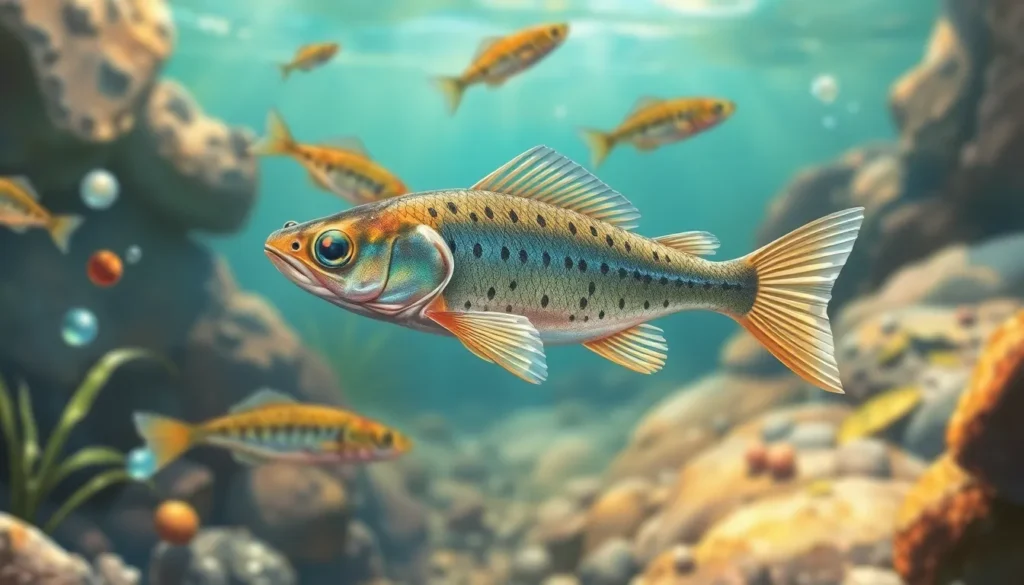
Short Answer
21 Facts About Mosquitofish
- Origin: Mosquitofish (Gambusia affinis) are native to the eastern United States and portions of Mexico.
- Reproductive Rate: Mosquitofish have a high reproductive rate, producing up to 100 live young in a single brood.
- Habitat Flexibility: They thrive in a variety of freshwater habitats, including ponds, marshes, and slow-moving streams.
- Diet: Mosquitofish primarily feed on mosquito larvae, but they also consume other small invertebrates.
- Temperature Tolerance: They can tolerate a wide range of temperatures, from 0 to 40 degrees Celsius.
- Behavioral Aggression: Mosquitofish exhibit aggressive behavior towards other fish species, particularly during breeding.
- Predation Impact: They are known to prey on the eggs and young of native fish species.
- Spread Mechanisms: Mosquitofish can be inadvertently transported in water containers, fishing gear, or aquariums.
- Invasive Status: They are considered an invasive species in many parts of the world, including Australia and Europe.
- Ecological Role: While they help control mosquito populations, their introduction can have unintended consequences for aquatic ecosystems.
- Coloration: Male mosquitofish are typically more colorful than females, displaying vibrant hues.
- Longevity: Mosquitofish can live for several years, with some individuals reaching up to five years in the wild.
- Research Interest: They are widely studied in ecology and evolutionary biology due to their rapid adaptation capabilities.
- Control Measures: Efforts to control mosquitofish populations include habitat management and public education.
- Impact on Amphibians: Mosquitofish may negatively affect amphibian larvae by preying on them.
- Community Dynamics: Their presence alters the community structure of aquatic environments.
- Habitat Modification: Mosquitofish are more likely to thrive in altered habitats, such as those affected by human activity.
- Social Structure: They often form schools, which can provide safety from predators.
- Behavioral Plasticity: Mosquitofish can exhibit behavioral changes based on environmental conditions.
- Human Interaction: Mosquitofish are often used in biological control programs to manage mosquito populations.
- Conservation Status: While not threatened globally, their invasive presence can threaten native species.
- Future Research: Ongoing studies aim to understand the long-term ecological impacts of mosquitofish invasiveness.
These small freshwater fish were initially introduced to control mosquito populations, leading to their widespread distribution.
This prolific breeding capability allows them to quickly establish populations in new environments.
This adaptability contributes to their invasive potential, allowing them to colonize diverse ecosystems.
While they effectively reduce mosquito populations, their diet can impact local aquatic food webs.
This resilience allows them to survive in varying climate conditions, further enhancing their spread.
This aggression can lead to the decline of native fish populations when introduced into non-native ecosystems.
This predation can disrupt the reproductive success of local fish populations.
Such human activities facilitate their introduction into non-native habitats.
This status is due to their negative ecological impacts on local biodiversity.
The balance between pest control and ecological disruption is complex.
This sexual dimorphism plays a role in mating behaviors.
This longevity contributes to their established populations in various habitats.
Research helps understand the dynamics of invasive species and their impacts.
Understanding their ecology is crucial for effective management strategies.
This predation can lead to declines in amphibian populations, affecting local biodiversity.
The introduction of mosquitofish can lead to a decrease in native species diversity.
Urbanization and agricultural practices can create favorable conditions for their spread.
This schooling behavior is a common survival strategy among small fish species.
This adaptability can enhance their survival and reproductive success.
However, their introduction must be done with caution to avoid ecological disruptions.
Conservation efforts focus on protecting native fish and amphibian populations affected by invasives.
Such research is essential for developing effective management strategies for invasive species.
Habitat and Behavior
Mosquitofish inhabit a variety of freshwater environments, including ponds, marshes, and slow-moving streams. They prefer warm waters and can tolerate a range of salinities. Their behavior includes schooling and territorial aggression, particularly during breeding seasons. Mosquitofish are surface feeders, often seen darting through vegetation in search of prey, which includes mosquito larvae and small invertebrates.
Why This Animal Matters
Mosquitofish play a dual role in ecosystems: they are effective in controlling mosquito populations, which can help mitigate the spread of mosquito-borne diseases. However, their invasiveness poses significant risks to local biodiversity, particularly in regions where they have been introduced. Understanding their ecological role is critical for managing both their benefits and detrimental impacts.
Common Misconceptions
Misconception: Mosquitofish are harmless and only help control mosquito populations. Correction: While they do control mosquito larvae, their invasiveness can lead to declines in native fish and amphibian populations.
Misconception: All fish are beneficial for ecosystems. Correction: Some species, like mosquitofish, can have negative impacts on local biodiversity when introduced into non-native environments.
FAQ
What are mosquitofish used for?
Mosquitofish are primarily used for biological control of mosquito populations.
Are mosquitofish harmful to other species?
Yes, they can negatively impact native fish and amphibian populations through predation.
How do mosquitofish reproduce?
Mosquitofish are livebearers, meaning they give birth to live young after a gestation period.


Leave a Reply