
Short Answer
21 Facts About Hatchetfish Light Organs
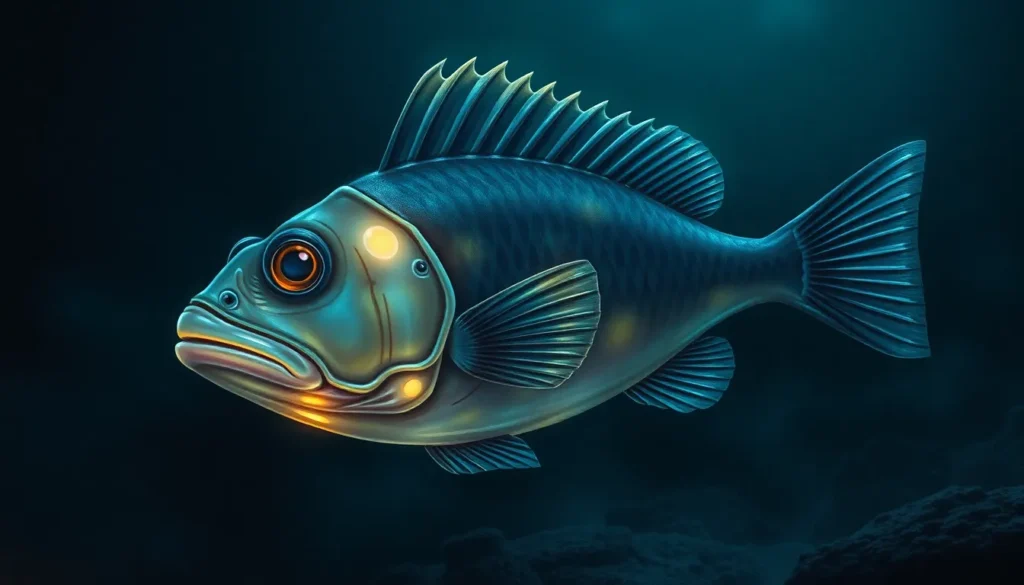
- Unique Adaptation: Hatchetfish possess specialized light organs known as photophores, which allow them to produce light in dark ocean depths.
- Species Diversity: There are several species of hatchetfish, including the most notable, the Miminectes spp. and Argyropelecus spp..
- Body Shape: Hatchetfish are characterized by their distinctive, flattened bodies that resemble a hatchet.
- Bioluminescence: The light emitted by the photophores is a form of bioluminescence, a natural phenomenon where living organisms produce light.
- Light Production Mechanism: The light is produced by chemical reactions within the photophores, involving luciferin and luciferase enzymes.
- Counter-Shading: Hatchetfish utilize their light organs to create a counter-shading effect, which helps them remain hidden from predators below.
- Habitat Depth: Hatchetfish are typically found at depths ranging from 200 to 1,200 meters in the ocean.
- Feeding Behavior: Hatchetfish primarily feed on small zooplankton and other microscopic organisms.
- Predator Avoidance: The light organs help hatchetfish avoid predation by making them less visible to larger fish.
- Reproductive Strategies: Some species of hatchetfish display unique reproductive behaviors, including light displays during mating.
- Research Interest: The light organs of hatchetfish have attracted considerable scientific interest for their unique adaptations.
- Environmental Indicators: Hatchetfish populations can serve as indicators of environmental health in marine ecosystems.
- Color Variation: The intensity and color of the light emitted by hatchetfish can vary by species and environmental conditions.
- Predominantly Pelagic: Hatchetfish are pelagic, meaning they inhabit the open water column rather than near the seafloor.
- Small Size: Most hatchetfish species are relatively small, typically ranging from 5 to 15 centimeters in length.
- Community Behavior: Hatchetfish often form schools, which provides safety in numbers against predators.
- Light Sensitivity: Hatchetfish are sensitive to light changes, which influences their behavior and feeding patterns.
- Temperature Tolerance: Hatchetfish can thrive in a range of temperatures, but they are most commonly found in cooler waters.
- Conservation Status: Currently, many species of hatchetfish are not considered endangered, but habitat changes could impact their populations.
- Biological Mystery: Despite their unique adaptations, much about hatchetfish remains unknown, making them subjects of ongoing scientific inquiry.
- Cultural Significance: Hatchetfish have minimal direct cultural significance, but they contribute to the biodiversity of marine ecosystems.
These photophores play a crucial role in counter-illumination, helping the fish blend in with light filtering down from the surface.
Each species exhibits variations in the number and arrangement of light organs.
This shape aids in their ability to maneuver through their habitat and minimizes their silhouette against predators.
The bioluminescent properties can attract prey and confuse predators.
This process is similar to that found in other bioluminescent organisms, such as fireflies.
This adaptation is essential for survival in the open ocean.
These depths are characterized by low light levels, making their light organs particularly advantageous.
They use their bioluminescent abilities to lure prey closer.
This is especially important in the twilight zone of the ocean, where many predators hunt.
This can involve flickering their light organs to attract mates.
Researchers study these organs to understand bioluminescence and its applications.
Changes in their populations may reflect broader ecological shifts.
This variation can affect their interactions with other marine organisms.
This lifestyle influences their feeding and predator avoidance strategies.
Their small size aids in their ability to evade predators.
This social behavior is common among many pelagic fish species.
This sensitivity can be critical for navigating their dark habitats.
This adaptability can affect their distribution in the ocean.
Ongoing research is important to monitor their status.
This mystery adds to the intrigue surrounding their biology and ecology.
Their role in the food web is essential for maintaining ecological balance.
Habitat and Behavior
Hatchetfish inhabit the mesopelagic zone of the ocean, typically found at depths between 200 to 1,200 meters. This environment is marked by limited light and cooler temperatures. Their flattened bodies enable them to navigate through the water column efficiently, while their light organs assist in both communication and camouflage. Hatchetfish are primarily nocturnal, exhibiting behavior that involves vertical migration toward the surface at night to feed on zooplankton and other small organisms.
Why This Animal Matters
Hatchetfish play a significant role in marine ecosystems as both prey and predators. They contribute to the marine food web, linking primary producers like phytoplankton to larger fish and marine mammals. Understanding their biology and ecology can provide insights into the health of ocean ecosystems and the impacts of climate change on marine life.
Common Misconceptions
Misconception: Hatchetfish are dangerous to humans.
Correction: Hatchetfish pose no threat to humans; they are small and primarily feed on tiny marine organisms.
Misconception: All bioluminescent organisms produce light in the same way.
Correction: Different organisms utilize various biochemical pathways for bioluminescence, and hatchetfish have their unique mechanisms involving luciferin and luciferase.
FAQ
What is the primary function of hatchetfish light organs?
The primary function is to provide bioluminescence for camouflage and communication.
Are hatchetfish endangered?
Most species are not currently considered endangered, but habitat changes may impact their populations.
How do hatchetfish avoid predators?
They use their light organs to create a counter-shading effect, making them less visible in the water.



Leave a Reply