
Short Answer
21 Facts About Fire Coral Stings
- Fire coral is not a true coral.
- It can deliver painful stings.
- Fire coral is often found in shallow waters.
- It is commonly found in tropical and subtropical regions.
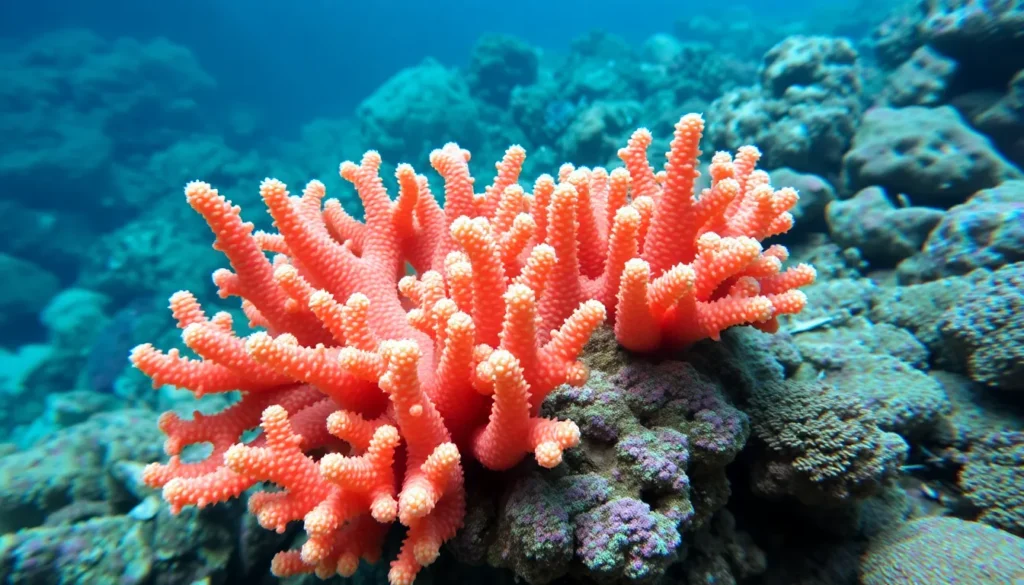
- The color of fire coral varies widely.
- Fire coral contributes to reef structures.
- It reproduces both sexually and asexually.
- Fire coral can be found in various forms.
- It has a symbiotic relationship with zooxanthellae.
- Fire coral can recover from damage.
- It has a significant ecological role.
- Predators of fire coral include certain fish species.
- Fire coral can cause allergic reactions.
- It can be difficult to identify.
- Fire coral’s sting can last for days.
- It can be damaged by human activity.
- Fire coral can thrive in various substrate types.
- It can be an indicator of reef health.
- Fire coral can live for many years.
- It has minimal commercial value.
- Fire coral is often studied for medicinal properties.
Fire coral belongs to the class Hydrozoa, which differentiates it from true corals in the class Anthozoa. Its structure is more similar to that of jellyfish.
The stinging cells, called nematocysts, can cause severe irritation and pain, often resulting in a burning sensation that leads to its common name.
This species thrives in shallow marine environments, typically at depths of less than 50 meters, where sunlight is abundant.
Fire coral is prevalent in the Caribbean Sea, the Gulf of Mexico, and parts of the Indo-Pacific region.
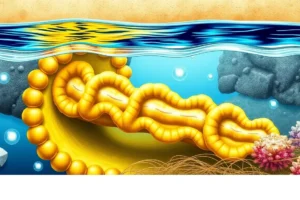
Fire coral can appear in shades of yellow, brown, or green, depending on its environment and the types of symbiotic algae it hosts.
Despite its painful stings, fire coral plays an essential role in building and maintaining reef ecosystems by providing habitat for various marine species.
Fire coral can reproduce through budding, where new polyps form from the original, or by releasing gametes into the water for fertilization.
It grows in branching, encrusting, or massive forms, adapting to its environment and the space available.
These microscopic algae live within the tissues of fire coral, providing it with nutrients through photosynthesis while benefiting from the coral’s structure.
This species has a remarkable ability to heal after being damaged by storms or human activity, though recovery can take time.
Fire coral provides shelter and food for various marine organisms, maintaining biodiversity within reef ecosystems.
Some fish, such as butterflyfish, have adapted to feed on fire coral despite its stinging capabilities.
In addition to pain, some individuals may experience allergic reactions to fire coral stings, leading to more severe symptoms.
Fire coral can be mistaken for other types of coral, which can lead to accidental stings by divers and snorkelers.
The pain from a fire coral sting can persist for several days, and proper treatment is often necessary to alleviate symptoms.
Overfishing, pollution, and climate change can harm fire coral populations, impacting overall reef health.
This species can attach to rocks, shells, and other hard surfaces, allowing it to colonize diverse environments.
The presence and health of fire coral can serve as a bioindicator for the overall condition of coral reef ecosystems.
Some fire coral colonies can live for decades, contributing to the stability of their ecosystems over time.
While fire coral is not typically harvested for commercial purposes, it holds importance in marine tourism and research.
Research is ongoing to explore potential medicinal applications of compounds found in fire coral.
Habitat and Behavior
Fire coral primarily inhabits shallow marine environments, such as coral reefs, where it benefits from ample sunlight and nutrient availability. It often forms large colonies and exhibits both solitary and colonial growth patterns. Fire coral is known to be aggressive, competing with other coral species for space and resources. Its stinging cells serve as a defense mechanism against predators and competitors.
Why This Animal Matters
Fire coral plays a crucial role in marine ecosystems by providing habitat and food for various marine organisms. Its presence is essential for maintaining biodiversity within coral reef systems. Additionally, fire coral contributes to the structural integrity of reefs, which are vital for coastal protection and supporting fisheries. The ecological functions of fire coral underscore its importance in conservation efforts and the health of marine environments.
Common Misconceptions
Misconception: Fire coral is a type of traditional coral.
Correction: Fire coral is a hydrozoan and not a true coral, belonging to a different class within the animal kingdom.
Misconception: Fire coral stings are harmless.
Correction: Fire coral stings can be quite painful and may cause allergic reactions in some individuals, requiring appropriate treatment.
FAQ
What are fire coral stings?
Fire coral stings are painful and result from the nematocysts that deliver toxins.
Where can fire coral be found?
Fire coral is commonly found in shallow tropical and subtropical marine environments.
How can fire coral stings be treated?
Treatment includes rinsing the area with vinegar, removing tentacles, and using pain relief medication.


Leave a Reply