
Short Answer
21 Facts About Blue Glaucus
- Species Overview
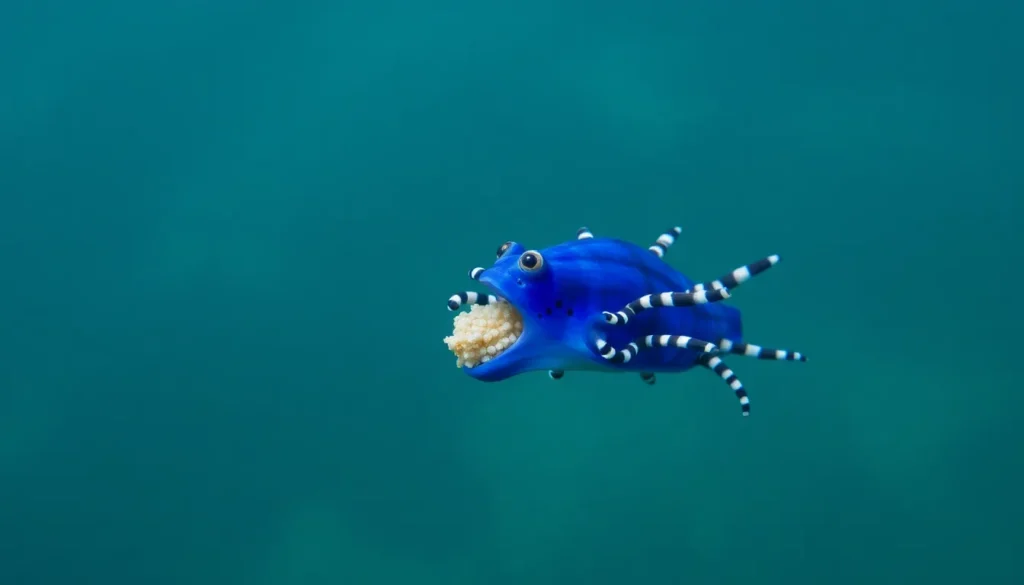
The Blue Glaucus, also known as the sea swallow, is a small, blue sea slug belonging to the family Glaucidae. It is known for its striking appearance and is often found floating on the surface of the ocean. - Feeding Habits
Blue Glaucus primarily feeds on the tentacles of the Portuguese Man O’ War, a colonial organism known for its painful sting. This feeding behavior is crucial for the slug’s survival. - Defense Mechanism
After consuming the Portuguese Man O’ War, Blue Glaucus can store the cnidocytes (stinging cells) from its prey, using them for its own defense against predators. - Coloration
The vibrant blue coloration of the Blue Glaucus serves as a form of camouflage, helping it blend into the ocean surface when viewed from above. - Habitat
These sea slugs are typically found in warm ocean waters, often in the open sea and sometimes washed ashore on beaches. - Size
Blue Glaucus individuals are relatively small, usually measuring about 3 to 4 centimeters in length. - Reproduction
Blue Glaucus is hermaphroditic, meaning each individual possesses both male and female reproductive organs, allowing for versatile mating options. - Life Cycle
The life cycle of Blue Glaucus includes a larval stage, during which they drift with ocean currents before settling and maturing. - Predators
Despite their defenses, Blue Glaucus can still fall prey to larger sea creatures such as fish and other mollusks. - Distribution
They are found in various oceans around the world, particularly in warmer waters of the Atlantic, Indian, and Pacific Oceans. - Symbiotic Relationships
Blue Glaucus has a unique relationship with its prey, the Portuguese Man O’ War, relying on it for food while also avoiding its lethal sting through specialized feeding techniques. - Behavior
Blue Glaucus is pelagic, meaning it lives in the open ocean and relies on ocean currents for movement. - Conservation Status
Currently, there are no specific conservation efforts directed at Blue Glaucus, but their populations can be affected by climate change and ocean pollution. - Scientific Interest
Researchers study Blue Glaucus for insights into marine biology and the ecological impact of predation on jellyfish-like organisms. - Interactions with Humans
While Blue Glaucus is not dangerous to humans, handling them can lead to painful stings due to their retained nematocysts from their prey. - Ecological Role
As a predator of the Portuguese Man O’ War, Blue Glaucus plays a role in the marine food web, helping control the populations of these colonial organisms. - Adaptations
Blue Glaucus has developed adaptations for survival in open water, including a flattened body shape that aids in buoyancy and movement. - Color Variations
Although primarily blue, some Blue Glaucus can exhibit variations in color due to environmental factors and diet. - Cultural Significance
Blue Glaucus has been featured in various forms of art and literature, symbolizing the beauty and mystery of the ocean. - Research and Observation
Observations of Blue Glaucus in their natural habitat provide valuable information about marine biodiversity and ecosystem health. - Threats
Blue Glaucus faces threats from habitat loss, climate change, and pollution, which can impact their food sources and survival.
Habitat and Behavior
Blue Glaucus prefers warm, open ocean waters, often found drifting on the surface. They are pelagic creatures, relying on ocean currents for transportation. Their behavior includes floating with the currents and feeding on Portuguese Man O’ War, which they skillfully navigate to avoid stings. Their ability to store the stinging cells of their prey is a unique adaptation that offers them protection from predators.
Why This Animal Matters
The Blue Glaucus plays an important ecological role as a predator of the Portuguese Man O’ War, contributing to the balance of marine ecosystems. They also serve as indicators of ocean health, as their populations can reflect changes in the marine environment. Culturally, they inspire interest and awareness about marine life and conservation efforts.
Common Misconceptions
Misconception: Blue Glaucus is dangerous to humans.
Correction: While Blue Glaucus can deliver a sting, it is not aggressive and poses little threat unless handled.
Misconception: Blue Glaucus is a type of jellyfish.
Correction: Blue Glaucus is a sea slug, not a jellyfish, though it feeds on jellyfish-like organisms like the Portuguese Man O’ War.
FAQ
Are Blue Glaucus harmful to humans?
While they can sting, Blue Glaucus are not inherently dangerous and only pose a risk if handled.
What do Blue Glaucus feed on?
They primarily feed on Portuguese Man O’ War, utilizing their unique adaptations to consume this prey.
Where can Blue Glaucus be found?
Blue Glaucus are commonly found in warm ocean waters across the Atlantic, Indian, and Pacific Oceans.


Leave a Reply