
Short Answer
North America is a land of remarkable contrasts and captivating marvels, from its vast geographical diversity to its eclectic wildlife. This continent, third in size after Asia and Africa, is not merely a collection of nations; it is a vibrant tapestry of ecosystems, cultures, and geological wonders. The myriad facets of North America keep its inhabitants and visitors alike in perpetual fascination. Below, we delve into intriguing aspects of North America, emphasizing its geography, wildlife, and delightful surprises.
Geographical Diversity
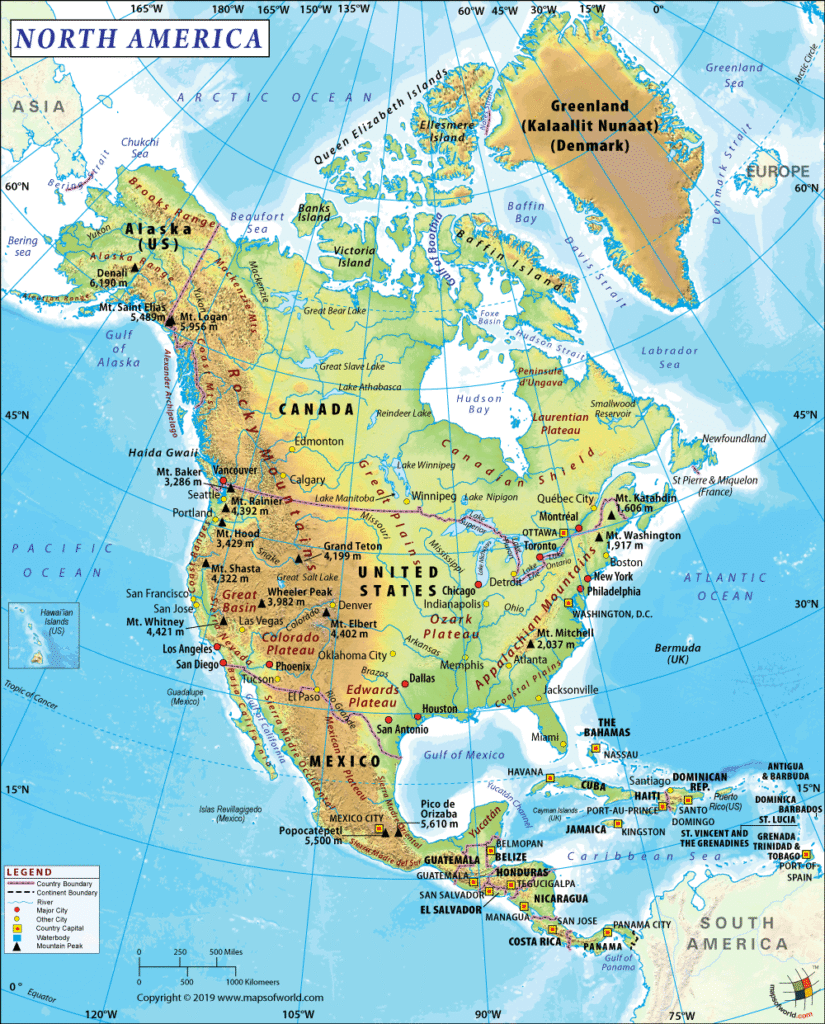
North America presents a stunning array of geographical features, ranging from soaring mountain ranges to expansive plains. The continent is bordered by three oceans: the Atlantic to the east, the Pacific to the west, and the Arctic to the north. This unique positioning fosters diverse climates and ecosystems.
Within North America, the Rocky Mountains stand as one of the most formidable mountain ranges, stretching over 3,000 miles from Canada down to New Mexico. The Rockies are not only a natural barrier but also a critical watershed for the continent. Conversely, the Great Plains represent the heartland, characterized by flatlands and rolling grasslands that support extensive agriculture and grazing.
One remarkable feature of North America is the Great Lakes, which are the largest group of freshwater lakes in the world by total area. These five lakes – Superior, Michigan, Huron, Erie, and Ontario – encompass immense biodiversity and serve as crucial waterways for trade and transport.
The continent’s geology is equally fascinating, with regions such as the Grand Canyon offering insight into millions of years of geological history. This vast chasm, carved by the Colorado River, showcases stunning rock formations and colorful stratifications that attract millions of visitors annually.
Unique Wildlife
North America is home to an astonishing range of wildlife, nurtured by its diverse habitats. From the Arctic tundra to the temperate forests, the continent boasts an impressive array of flora and fauna, many of which are endemic.
One of the most iconic animals, the bison, once roamed in vast herds across the plains. Today, conservation efforts have restored a portion of their population, particularly in national parks. Similarly, the majestic bald eagle, a symbol of the United States, has made a remarkable resurgence thanks to protective legislation.
In the Arctic regions, polar bears throne as apex predators, relying on sea ice for hunting seals. This majestic species is now facing challenges due to climate change and melting ice caps, highlighting the delicate balance of its ecosystem.
The varying climates across North America have also led to specific wildlife adaptations. For example, the vibrant and cunning coyote thrives in diverse environments, from urban areas to deserts. Moreover, the migration of the monarch butterfly is an awe-inspiring spectacle, as millions journey from North America to central Mexico each year, traversing thousands of miles.
The rainforests of the Pacific Northwest flourish with towering conifers, rich undergrowth, and an abundance of wildlife, including the elusive spotted owl and the nimble black-tailed deer. These unique subtropical ecosystems are essential not only for their biodiversity but also for their role in carbon sequestration.
Cultural Surprises
Beyond its geography and wildlife, North America is quite rich in cultural surprises. The continent is a mosaic of various indigenous tribes, each with unique customs, languages, and beliefs. The Native American culture plays a significant role in the identity of North America, with numerous tribes actively preserving their heritage through art, music, and language.
Additionally, North America is home to some of the world’s most renowned cultural festivals, such as Mardi Gras in New Orleans and the Albuquerque International Balloon Fiesta. These celebrations showcase the continent’s vibrant arts scene, culinary diversity, and the amalgamation of various cultural influences.
Sporting events also represent a unifying aspect of North American culture. Major League Baseball, the National Football League, and the National Basketball Association are not merely pastimes; they are significant cultural phenomena that foster community and regional pride.
The culinary landscape of North America is also worth noting. It boasts regional specialties such as Tex-Mex in Texas, chowder in the Northeast, and poutine in Canada. Each dish reflects the fusion of indigenous ingredients and immigrant influences, resulting in a rich tapestry of flavors across the continent.
Environmental Challenges and Conservation
North America faces pressing environmental challenges, including deforestation, urban sprawl, and climate change. Coastal areas are particularly vulnerable to rising sea levels, while forested regions contend with wildfires exacerbated by changing climate patterns.
Efforts to combat these issues are paramount. Numerous organizations and governmental agencies are dedicated to preserving habitats and promoting sustainable practices. National parks and protected areas serve as sanctuaries for both wildlife and flora, ensuring the protection of vital ecosystems. The National Park Service oversees numerous sites that highlight the continent’s natural beauty while promoting conservation efforts.
Public awareness has also surged around environmental issues. Initiatives such as the popularity of organic farming, conservation groups advocating for biodiversity, and movements aimed at reducing plastic use reflect a growing consciousness about preserving North America’s natural treasures.
Conclusion
North America is an extraordinary continent teeming with fascinating geographical features, unique wildlife, and rich cultural experiences. From its towering mountains and expansive plains to its vibrant ecosystems and diverse cultures, North America captivates the imagination and invites exploration. As the continent navigates environmental challenges, the commitment to preservation and celebration of its rich heritage remains vital for future generations. These intriguing aspects make North America not just a destination, but an experience that resonates with those who embrace its wonders.
FAQ
What are the major geographical features of North America?
North America includes the Rocky Mountains, Great Plains, and the Great Lakes, showcasing a variety of ecosystems.
What unique wildlife can be found in North America?
The continent is home to diverse species, including bison, bald eagles, and polar bears, adapted to various climates.
What cultural aspects define North America?
North America features a rich cultural mosaic including indigenous tribes, vibrant festivals, and diverse culinary traditions.






Leave a Reply