
Short Answer
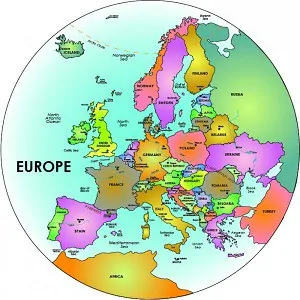
Europe is a continent rich in history, culture, and diversity. It is home to a myriad of countries, each possessing unique characteristics that contribute to the complexity of the continent. In this exploration, we delve into various fascinating aspects of Europe that shape its identity and allure. The following list covers a spectrum of cultural and historical elements that make Europe an intriguing mosaic.
1. Multilingual Amalgamation
Europe boasts an extraordinary linguistic diversity, with over 200 languages spoken across its 44 countries. From the widely spoken English and French to the less common Welsh and Basque, the continent serves as a linguistic playground. The European Union officially recognizes 24 languages, reflecting the rich tapestry of its cultural heritage. This multilingualism not only enriches the communication landscape but also fosters greater understanding among different ethnicities and cultures.
2. Birthplace of Democracy
The roots of modern democracy can be traced back to ancient Athens, Greece, where the concept of citizen participation in governance was pioneered. This historical foundation laid the groundwork for democratic principles that have influenced political systems worldwide. The evolution of democracy in Europe continued through the Middle Ages and the Enlightenment, resulting in the establishment of parliamentary systems and civil rights that many nations cherish today.
3. Cultural Heritage and UNESCO Sites
Europe is home to numerous UNESCO World Heritage Sites, reflecting its rich cultural and natural heritage. With over 1,100 sites, the continent includes architectural marvels, such as the Acropolis in Greece, the Colosseum in Rome, and the historic center of Prague. These sites are not just tourist attractions; they embody the stories and legacies of civilizations that have shaped Europe over millennia.
4. Culinary Diversity
The gastronomic landscape of Europe is a smorgasbord of flavors, ingredients, and culinary techniques. Each country offers distinctive dishes that reveal its local traditions, agricultural practices, and regional resources. From the delectable paella of Spain to Italy’s pasta and France’s exquisite pastries, European cuisine is an exploration of history, geography, and culture. Furthermore, culinary traditions vary widely even within countries, reflecting local customs and tastes.
5. Artistic Movements and Contributions
Europe has been a crucible of artistic movements that have revolutionized visual arts, music, and literature. The Renaissance, marked by luminaries such as Leonardo da Vinci and Michelangelo, ushered in an era of intellectual and artistic flourishing. Later, movements like Impressionism and Surrealism emerged, influencing generations of artists globally. Europe’s contributions to literature, from Shakespeare’s plays to the existential musings of Kafka, have profoundly impacted the literary canon.
6. Architectural Marvels
The architectural splendor of Europe is exemplified by a variety of styles, from Gothic cathedrals to Baroque palaces. Notable structures, such as the Eiffel Tower and the Sagrada Família, showcase innovation and creativity. Each architectural piece tells a story about the society that produced it. The juxtaposition of ancient ruins alongside modern skyscrapers in cities like Rome and Berlin exemplifies the blend of history and contemporary life.
7. Festivals of Heritage
Europe is a continent of festivals, celebrating everything from religious traditions to seasonal harvests. Noteworthy events like Oktoberfest in Germany and the Carnival of Venice draw participants from around the globe. These festive occasions often feature colorful parades, traditional music, and local cuisines, allowing attendees to experience the cultural fabric of the region in a vibrant setting.
8. Complex History of Borders
The borders of Europe have been dynamic, shaped by a tumultuous history of wars, treaties, and political changes. The continent has witnessed the rise and fall of empires, leading to the formation of new nations and shifting territorial lines. The legacy of these changes continues to influence political relationships and cultural identity among European nations today, emphasizing the complexity of national boundaries.
9. Philanthropic Traditions
Historically, Europe has been at the forefront of philanthropic endeavors, contributing significantly to global humanitarian efforts. Notable philanthropists have emerged from the continent, supporting causes related to education, health, and social justice. This culture of giving reflects not only individual generosity but also a societal commitment to addressing pressing global challenges.
10. Ethnic Tapestry and Minorities
Within its borders, Europe is home to a multitude of ethnic groups and minorities, each contributing to the continent’s rich cultural landscape. It is essential to recognize the complexities of integration and coexistence among these diverse populations. The coexistence of ethnic minorities, such as the Romani people and the Sami, highlights both the challenges and the resilience of cultural identity across the continent.
11. Environmental Awareness and Preservation
Europe has made significant strides in environmental awareness and sustainability. Many nations prioritize eco-friendly practices and policies, aiming to combat climate change and protect natural resources. Robust campaigns focus on renewable energy, conservation of biodiversity, and sustainable agriculture, showcasing Europe’s commitment to a green future in the face of global environmental challenges.
12. Technological Innovations
As a hub of scientific advancement, Europe has historically been at the forefront of technological innovations. The continent is home to numerous research institutions and tech startups driving progress in fields such as medicine, engineering, and information technology. The synergy between culture and technology has enabled Europe to maintain its relevance in a rapidly evolving global landscape.
In conclusion, Europe is a continent that thrives on its rich cultural diversity and historical complexities. From its myriad languages and artistic movements to its dynamic festivals and architectural wonders, Europe offers an intricate blend of experiences for those who seek to explore its vast opportunities. As travelers and scholars continue to appreciate the continent’s multifaceted identity, Europe remains a testament to the resilience and endurance of cultures throughout time.
FAQ
What languages are spoken in Europe?
Europe has over 200 languages spoken across its 44 countries, with 24 officially recognized by the European Union.
What are UNESCO World Heritage Sites in Europe?
Europe boasts over 1,100 UNESCO World Heritage Sites, including landmarks like the Acropolis, the Colosseum, and the historic center of Prague.
How has Europe's history shaped its borders?
The borders of Europe have changed significantly over time due to wars, treaties, and political changes, influencing national identities.




Leave a Reply