
Short Answer
21 Facts About Sand Dollar Burrowing
- Sand Dollars Are Echinoderms
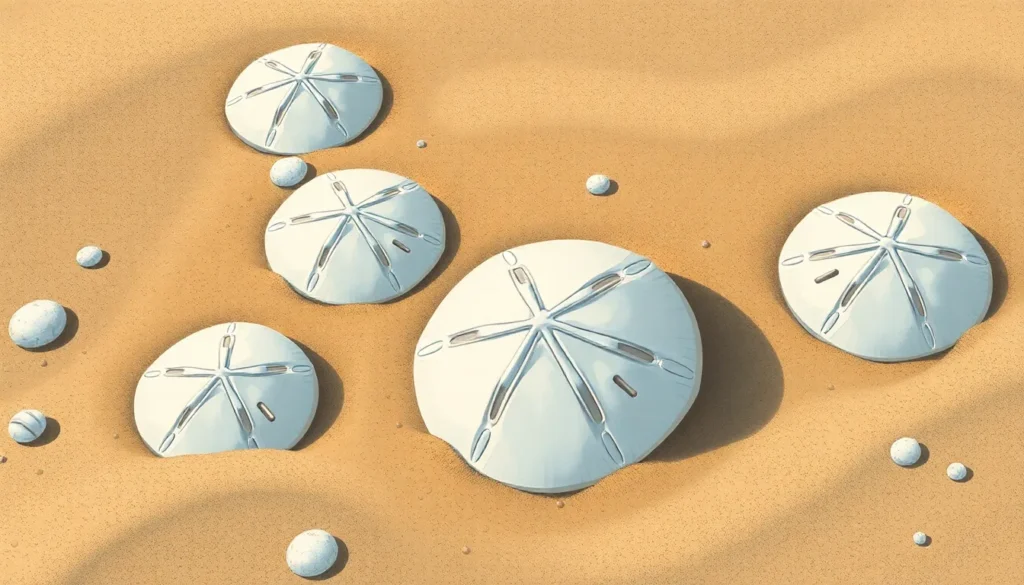
Sand dollars belong to the class Echinoidea, which includes sea urchins and sea cucumbers. They are characterized by their flattened, disc-like shape and unique feeding habits. - Burrowing Behavior
Sand dollars are known for their burrowing capabilities, allowing them to dig into the sand to avoid predation and environmental stressors. - Habitat Range
They are commonly found in shallow coastal waters, often in sandy or muddy substrates where they can easily burrow. - Feeding Mechanism
Sand dollars feed primarily on plankton and organic particles, using their tube feet to capture food particles from the water and sand. - Respiration Adaptations
Their burrowing lifestyle allows sand dollars to access oxygen-rich water just beneath the surface, facilitating respiration. - Color Variation
While many sand dollars are gray or brown, their color can vary significantly based on their environment and the type of sediment they inhabit. - Reproduction
Sand dollars reproduce through external fertilization, with females releasing eggs into the water for males to fertilize. - Life Span
The average life span of a sand dollar is around 6 to 10 years, depending on environmental conditions and predation pressures. - Predators
Common predators of sand dollars include sea stars, crabs, and various fish species, which often prey on them when they are exposed. - Sand Dollar Skeletons
The hard outer skeleton, or test, of sand dollars is often found on beaches and is a popular find for beachcombers. - Behavioral Adaptations
Sand dollars can detect changes in water pressure and light levels, allowing them to sense danger and react accordingly. - Ecological Role
They play a significant role in their ecosystems by recycling nutrients and serving as a food source for various marine animals. - Sand Dollar Distribution
They are found in many oceans around the world, particularly in the Atlantic and Pacific Oceans. - Seasonal Behavior
Sand dollars may exhibit different burrowing behaviors during varying seasons, often influenced by temperature and food availability. - Human Interaction
Sand dollars are often collected by beachgoers for their unique appearance, but overcollection can threaten local populations. - Environmental Indicators
The health of sand dollar populations can indicate the overall health of marine ecosystems, serving as bioindicators. - Color Change on Death
Upon death, the color of sand dollars often fades, turning white as the organic material decomposes. - Burrowing Technique
Sand dollars use their spines and tube feet to create a suction effect that helps them burrow more effectively. - Symbiotic Relationships
Some sand dollars host small organisms, such as algae, which can provide additional nutrients and camouflage. - Impact of Climate Change
Changes in ocean temperature and acidity due to climate change can affect sand dollar populations and their habitats. - Research Interest
Sand dollars are often studied in marine biology for their unique adaptations and roles in coastal ecosystems.
Habitat and Behavior
Sand dollars primarily inhabit sandy or muddy substrates in shallow coastal waters. They are often found at depths ranging from intertidal zones to around 30 meters deep. Their burrowing behavior allows them to avoid predators and harsh environmental conditions. They typically use their tube feet, which are covered in tiny hairs, to dig into the sediment, creating a safe environment for feeding and respiration.
Why This Animal Matters
Sand dollars play a crucial role in marine ecosystems. As filter feeders, they contribute to the cycling of nutrients within the sediment and water column, helping to maintain a balanced ecosystem. Additionally, they serve as a food source for various marine animals, thereby supporting biodiversity. Their sensitivity to environmental changes makes them valuable indicators of ecosystem health, highlighting the impacts of pollution and climate change.
Common Misconceptions
FAQ
What do sand dollars eat?
Sand dollars primarily feed on plankton and organic particles using their tube feet.

How do sand dollars reproduce?
They reproduce through external fertilization, where females release eggs and males fertilize them in the water.
Why are sand dollars important to marine ecosystems?
They help recycle nutrients and serve as a food source for various marine animals.

Leave a Reply