
Short Answer
21 Facts About Sawfish Rostrum
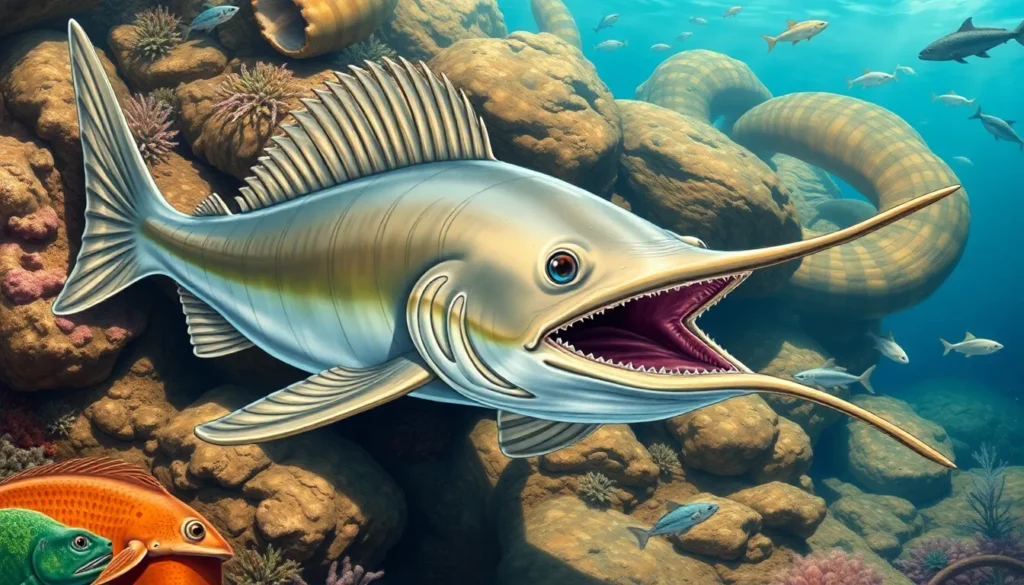
- Unique Shape: The sawfish rostrum, or snout, resembles a saw blade, which is an adaptation for hunting and foraging.
- Species Diversity: There are five recognized species of sawfish, each exhibiting variations in rostrum size and shape.
- Ecological Role: Sawfish play a vital role in their ecosystems as apex predators, helping to maintain the balance of marine life.
- Habitat: Sawfish are primarily found in shallow coastal waters, estuaries, and rivers in tropical and subtropical regions.
- Feeding Mechanism: Sawfish use their rostrum to stun prey by thrashing it back and forth.
- Reproduction: Sawfish are ovoviviparous, meaning they give birth to live young that develop inside the mother.
- Threats: Sawfish populations are declining due to habitat loss, fishing, and bycatch.
- Conservation Status: Many sawfish species are listed as endangered or critically endangered by the IUCN.
- Cultural Significance: In some cultures, sawfish are considered a delicacy, but they are also revered for their unique appearance.
- Longevity: Sawfish can live for several decades, with some individuals recorded to live over 30 years.
- Physical Size: Sawfish can grow quite large, with some species reaching lengths of up to 20 feet (6 meters).
- Behavioral Patterns: Sawfish are generally solitary creatures, but they can be seen in small groups during mating seasons.
- Teeth Arrangement: The teeth on a sawfish’s rostrum are arranged in a specific pattern that varies by species, influencing their feeding habits.
- Rostrum Sensory Function: The rostrum contains electroreceptors that help sawfish detect the electrical signals of their prey.
- Conservation Initiatives: Various organizations are working to protect sawfish through habitat restoration and fishing regulations.
- Habitat Preferences: Sawfish are often found in brackish waters where freshwater and saltwater mix.
- Fossil Record: Sawfish have a long evolutionary history, with fossils dating back to the Cretaceous period.
- Rostrum Size Variation: The size of the rostrum can vary significantly among species, influencing their hunting techniques and ecological roles.
- Public Awareness: Raising awareness about the plight of sawfish can encourage public support for conservation efforts.
- Scientific Research: Ongoing research aims to better understand sawfish biology, ecology, and the impact of environmental changes on their populations.
- Unique Adaptations: The sawfish rostrum is a remarkable example of evolutionary adaptation in response to predation and feeding strategies.
This distinctive shape features long, flattened teeth that help sawfish slice through prey and navigate their environment.
These species include the smalltooth sawfish, largetooth sawfish, and others, with specific adaptations suited to their habitats.
By controlling the population of smaller fish and invertebrates, sawfish contribute to the health of their aquatic environments.
They prefer sandy or muddy bottoms where they can easily hunt and hide from predators.
This method allows them to catch fish and invertebrates more efficiently, making them effective hunters.
This reproductive strategy allows for better survival rates of the young in their early stages.
Conservation efforts are ongoing to protect these species and their habitats from further degradation.
This status highlights the urgent need for protective measures to ensure their survival.
This cultural appreciation can contribute to both conservation efforts and sustainable fishing practices.
This long lifespan allows them to play significant roles in their ecological niches over time.
The size of their rostrum can also be quite impressive, often comprising a significant part of their overall length.
This social behavior may help them find mates more efficiently.
This dental arrangement is crucial for the effectiveness of their hunting strategy.
This sensory adaptation enhances their ability to hunt in murky waters.
These initiatives aim to stabilize and recover sawfish populations in the wild.
This habitat preference allows them to exploit a diverse range of prey species.
Their ancient lineage provides insight into the evolution of elasmobranchs.
Some species have longer, more slender rostrums suited for specific environments and prey types.
Education initiatives can help inform communities about the importance of preserving these unique creatures.
This research is essential for informed conservation strategies.
Its unique design represents a successful evolutionary strategy for survival in diverse aquatic environments.
Habitat and Behavior
Sawfish inhabit shallow coastal waters, estuaries, and rivers, primarily in tropical and subtropical regions. They are often found in sandy or muddy substrates where they can effectively hunt for prey. Sawfish exhibit solitary behavior, though they may gather in small groups during mating seasons. Their feeding habits involve using their rostrum to stun and capture prey, which primarily consists of fish and invertebrates.
Why This Animal Matters
Sawfish play a critical role in their ecosystems as apex predators, helping to regulate the populations of smaller fish and invertebrates. Their decline poses a threat to the ecological balance of their habitats. Moreover, sawfish hold cultural significance in some communities, where they are valued for their unique appearance and as a food source. Conservation of sawfish is crucial not only for maintaining biodiversity but also for preserving traditional cultural practices.
Common Misconceptions
Misconception: Sawfish are dangerous to humans and often attack swimmers.
Correction: Sawfish are generally non-aggressive and pose little threat to humans. Most encounters occur when they are accidentally caught in fishing gear.
Misconception: All sawfish species are the same and have similar rostrum shapes.
Correction: There are several species of sawfish, each with distinct rostrum shapes and sizes that reflect their adaptations to different environments and prey.
FAQ
What is the primary function of a sawfish's rostrum?
The rostrum is used for hunting and foraging, helping sawfish to stun and capture prey.
Why are sawfish endangered?
Sawfish are endangered due to habitat loss, fishing, and bycatch, which have significantly reduced their populations.
How do sawfish reproduce?
Sawfish are ovoviviparous, giving birth to live young that develop inside the mother.





Leave a Reply