
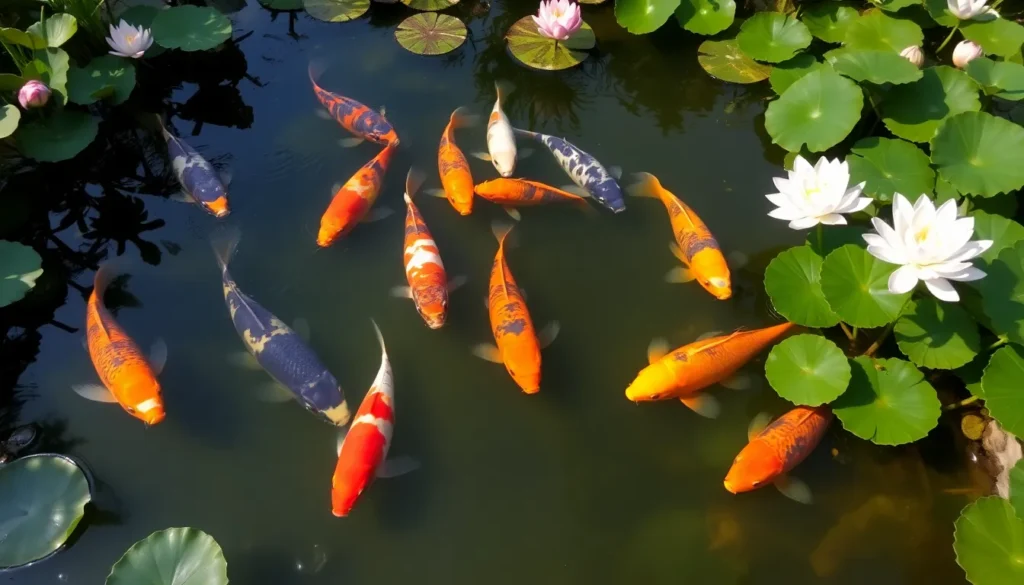
Short Answer
21 Facts About Koi Fish Longevity
- Average Lifespan: Koi fish typically live for 20 to 30 years, but some have been known to exceed 200 years in ideal conditions.
- Record Holders: The oldest recorded koi, named Hanako, lived to be 226 years old.
- Optimal Conditions: Koi thrive in controlled environments with clean water, proper temperature, and adequate space.
- Feeding Practices: A balanced diet rich in vitamins and minerals is essential for longevity.
- Water Quality: Maintaining optimal water quality is crucial, as koi are sensitive to pollutants.
- Genetic Factors: Different koi varieties exhibit varying lifespans due to genetic predispositions.
- Environmental Stressors: Factors like overcrowding and poor water conditions can negatively affect koi health.
- Seasonal Changes: Koi can enter a state of dormancy during colder months, slowing their metabolism.
- Health Monitoring: Regular health checks can help identify issues early, contributing to longer lifespans.
- Breeding Practices: Selective breeding for desirable traits can impact both the health and longevity of koi.
- Behavioral Traits: Koi are social creatures that thrive in groups, which can enhance their well-being.
- Predation Risks: In the wild, koi face threats from predators, which can significantly shorten their lifespan.
- Temperature Tolerance: Koi can survive in a range of temperatures, but extremes can be harmful.
- Health Supplements: Many koi owners use health supplements to boost their fish’s immune systems.
- Community Events: Koi shows and competitions often celebrate the longevity and beauty of these fish.
- Myth of Longevity: Some believe koi can live forever; however, all living beings have natural lifespans.
- Water Source Impact: The source of pond water can affect koi health, particularly if it contains chemicals.
- Age Comparison: Koi age is often compared to dog years; one koi year may equate to several human years.
- Impact of Stress: Stress from environmental changes or poor handling can reduce a koi’s lifespan.
- Cultural Significance: In Japanese culture, koi symbolize perseverance and strength, reinforcing their importance.
- Conservation Status: While koi are not endangered, responsible breeding practices are essential for their future.
This remarkable longevity can be attributed to their genetics and the quality of care they receive.
Hanako’s age was verified through analysis of its scales, which grow layers similar to tree rings.
These conditions help reduce stress and promote longer lifespans.
Overfeeding, however, can lead to health issues that shorten their lifespan.
Regular testing and filtration systems can enhance their living conditions.
Certain breeds, like the Kohaku, are particularly known for their longevity.
Keeping a suitable number of koi in a pond can minimize stress and promote longevity.
This dormancy phase is natural and important for their overall health.
Monitoring for signs of disease or distress is essential for koi owners.
Ethical breeding practices aim to produce healthier koi with longer lifespans.
Social interactions can reduce stress and contribute to a longer life.
In captivity, protective measures can help mitigate these risks.
Maintaining a stable water temperature is vital for their health.
These can help prevent disease and support longevity.
Such events raise awareness about their care and importance.
Understanding their limitations is important for realistic care.
Natural, clean water sources are preferable for maintaining koi well-being.
This comparison aids in understanding their developmental stages.
Minimizing stressors is key to promoting longevity.
They are often associated with good luck and longevity.
Conservation efforts can help maintain healthy populations.
Habitat and Behavior
Koi fish are typically found in ponds and water gardens, where they require ample space to swim and thrive. They prefer still or slow-moving water, with a preference for environments that provide shade and shelter from predators. Koi are social creatures, often forming hierarchies within their groups. They exhibit a range of behaviors, including foraging for food, swimming in schools, and basking in sunlight.
Why This Animal Matters
Koi fish play a significant role in aquatic ecosystems, helping to maintain water quality through their feeding habits. Additionally, they hold cultural importance, particularly in Japanese traditions, where they symbolize strength, perseverance, and good fortune. The care and breeding of koi also contribute to the economy through the ornamental fish trade, while conservation efforts help ensure the longevity of this beloved species.
Common Misconceptions
Misconception: Koi fish can live indefinitely.
Correction: All living beings, including koi, have natural lifespans, typically ranging from 20 to 30 years, with some exceptions.
Misconception: Koi do not require much care.
Correction: Proper care, including water quality management and a balanced diet, is crucial for koi longevity and health.
FAQ
How long can koi fish live?
Koi fish typically live between 20 to 30 years, but some can live over 200 years.
What factors influence koi longevity?
Factors such as water quality, diet, and environmental conditions significantly affect koi longevity.
Are koi fish easy to care for?
While koi can be cared for by hobbyists, they require attention to water quality, diet, and social interactions.

Leave a Reply