
Short Answer
21 Facts About Veterinary Medicine Advances
- Telemedicine in Veterinary Care
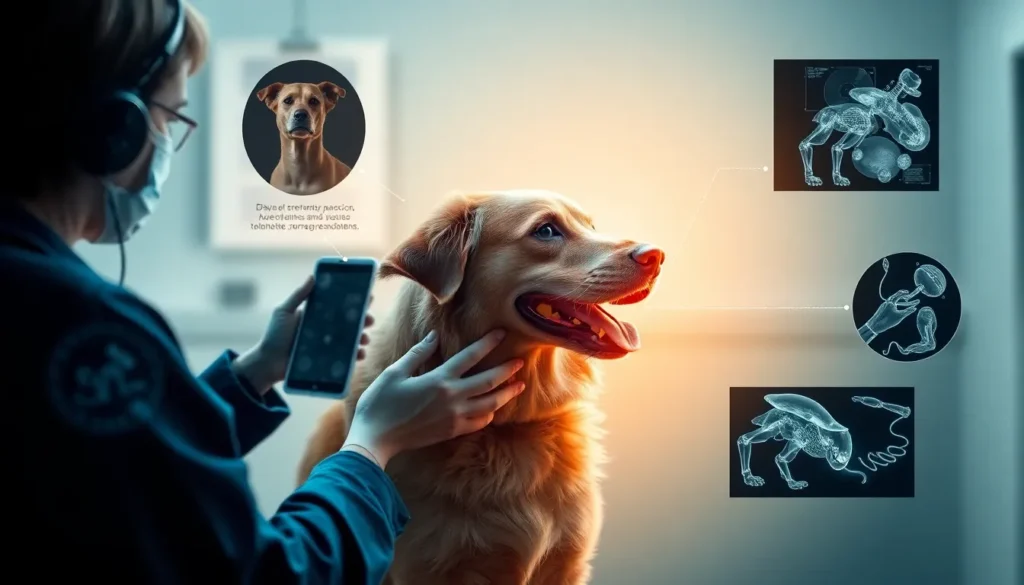
Telemedicine has become a vital tool in veterinary medicine, allowing vets to provide remote consultations and care, especially useful during emergencies or for clients in rural areas. - Regenerative Medicine
Advancements in regenerative medicine, such as stem cell therapy, are being used to treat conditions like arthritis and tendon injuries in animals, promoting healing and recovery. - Genetic Testing
Genetic testing is now available for various breeds, helping to identify predispositions to certain diseases, which aids in preventive care and breeding decisions. - Advanced Imaging Techniques
Techniques such as MRI and CT scans are now utilized in veterinary medicine, enhancing diagnostic capabilities for complex medical conditions. - Compassion Fatigue Awareness
Veterinary professionals are increasingly recognizing compassion fatigue, leading to the implementation of wellness programs to support mental health within the profession. - Veterinary Oncology
The field of veterinary oncology has made significant strides, with improved treatments such as chemotherapy and radiation therapy tailored specifically for pets. - Preventive Vaccination Protocols
Modern veterinary medicine emphasizes preventive care, with updated vaccination protocols to protect animals from infectious diseases. - Microchipping Technology
Microchipping has become a standard practice in veterinary medicine, providing a reliable method for pet identification and recovery. - Nutrition and Dietetics
Advances in veterinary nutrition have led to the development of specialized diets that cater to specific health issues, improving overall animal health. - Behavioral Medicine
Veterinary behaviorists now play a crucial role in addressing behavioral issues in pets, utilizing techniques that promote positive behavior modification. - 3D Printing in Veterinary Surgery
3D printing technology is being utilized to create custom implants and surgical guides for veterinary procedures, enhancing surgical outcomes. - Telemonitoring Devices
Wearable technology for pets allows for real-time health monitoring, aiding in the management of chronic conditions. - Outreach and Education Programs
Veterinary professionals are increasingly involved in community outreach, educating pet owners about responsible pet ownership and preventive care. - Pharmacogenomics
Pharmacogenomics is being researched in veterinary medicine to tailor drug therapies based on genetic profiles, minimizing adverse effects. - Collaboration with Animal Welfare Organizations
Veterinarians are partnering with animal welfare organizations to improve the health and adoption rates of shelter animals. - Improved Surgical Techniques
Advancements in minimally invasive surgical techniques have improved recovery times and reduced complications in veterinary surgeries. - Veterinary Teletrauma
Teletrauma services allow veterinarians to guide emergency responders in the field, improving the initial care of critically injured animals. - Clinical Trials for New Treatments
Veterinary medicine is increasingly participating in clinical trials for new treatments, contributing to the development of novel therapies for pets. - Infection Control Protocols
Enhanced infection control protocols in veterinary clinics have significantly reduced the incidence of hospital-acquired infections. - Veterinary Informatics
The use of informatics in veterinary practices helps in managing patient data, improving efficiency and care quality. - Collaborative Care Models
Veterinarians are adopting collaborative care models with other healthcare providers to ensure comprehensive treatment for animals.
Habitat and Behavior
Veterinary medicine encompasses a wide range of animals, including domestic pets, livestock, and wild species. Each animal type exhibits distinct behaviors and habitats. Domestic animals, such as dogs and cats, live closely with humans, while livestock, like cows and sheep, are generally found in agricultural settings. Understanding animal behavior is crucial for veterinarians in diagnosing and treating various health issues effectively.
Why This Animal Matters
Veterinary medicine plays a significant role in public health, food safety, and animal welfare. Healthy animals contribute to ecological balance and provide companionship, labor, and food for humans. Advances in this field not only improve animal health but also support broader societal goals, such as enhancing food security and promoting responsible pet ownership.
Common Misconceptions
Veterinary medicine is only concerned with pets.
Veterinary medicine involves a wide range of animals, including livestock and wildlife, focusing on their health and welfare.
All veterinarians perform surgeries.
While many veterinarians are trained in surgery, some specialize in fields like dermatology or behavior, focusing on non-surgical treatments.
FAQ
What is veterinary telemedicine?
Veterinary telemedicine allows vets to conduct remote consultations and provide care through digital platforms.
How has veterinary oncology progressed?
Veterinary oncology has seen advancements in chemotherapy and radiation tailored for pets, improving treatment outcomes.
What role does nutrition play in veterinary medicine?
Veterinary nutrition focuses on creating specialized diets to manage health issues in animals effectively.





Leave a Reply