
Short Answer
21 Facts About Urban Animals
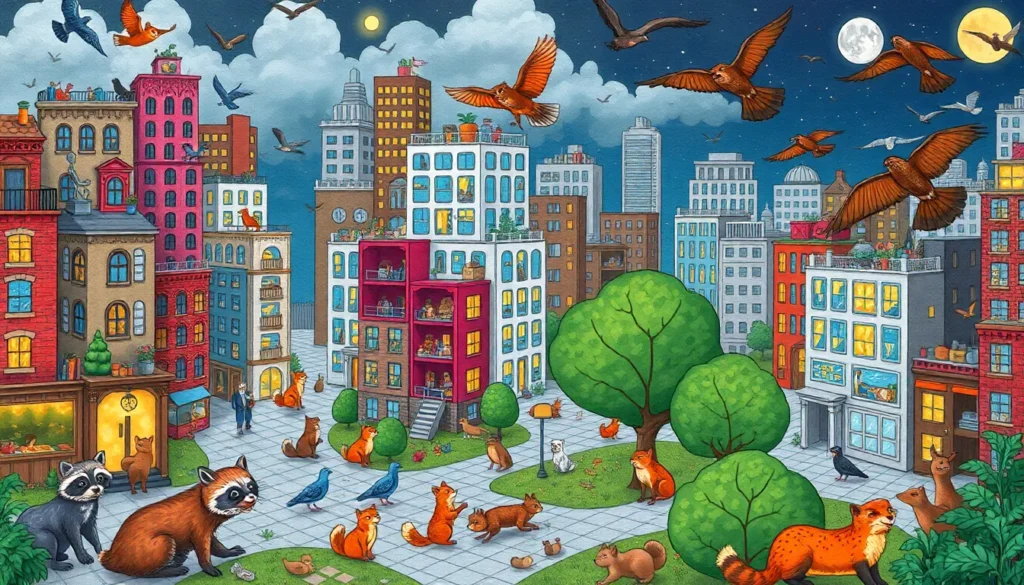
- Urban animals exhibit remarkable adaptability. Many species have altered their behaviors and diets to survive in city landscapes dominated by humans.
- Raccoons are known as “trash pandas” due to their scavenging habits. They often forage through garbage bins at night, demonstrating problem-solving skills.
- Pigeons have been living alongside humans for thousands of years. Originally cliff dwellers, they thrive on urban ledges and feed on discarded food.
- Urban foxes often have smaller territories than their rural counterparts. Cities provide abundant food sources, reducing the need to roam widely.
- Bats in cities help control insect populations. They consume large quantities of mosquitoes and other insects, providing natural pest control.
- Crows and ravens are highly intelligent urban dwellers. They use tools, recognize individual humans, and can solve complex problems.
- Some urban animals have shifted their activity patterns. To avoid humans, species like coyotes and bobcats are often more active at night.
- Urban environments create novel ecosystems for animals. These include parks, gardens, abandoned lots, and green roofs that support wildlife.
- House sparrows are among the most widespread urban birds globally. They are highly social and often live in close proximity to humans.
- City-dwelling squirrels exhibit bold behavior. They frequently approach humans and exploit food sources in parks and neighborhoods.
- Urban wildlife corridors facilitate animal movement. These green pathways help connect fragmented habitats within cities.
- Rodents such as rats thrive in urban sewer systems. These environments offer shelter and food, contributing to their population growth.
- Urban bees play a role in pollinating city plants. Despite challenges, they contribute to urban biodiversity and green space health.
- Many urban animals face challenges from vehicle traffic. Road mortality is a significant threat, influencing behavior and population dynamics.
- Noise pollution impacts urban animal communication. Birds and mammals may alter their calls to be heard over city sounds.
- Artificial lighting disrupts natural behaviors. It can affect feeding, mating, and migration patterns of urban wildlife.
- Some animals use human structures for nesting. Peregrine falcons nest on tall buildings, mimicking cliffside habitats.
- Urban animals can carry diseases transmissible to humans. This has implications for public health and wildlife management.
- Feeding wildlife in urban areas can have unintended consequences. It may lead to dependency, increased aggression, or nutritional issues.
- Urban animal populations can serve as indicators of environmental health. Changes in their numbers or behaviors may signal broader ecological shifts.
- Conservation efforts increasingly focus on urban wildlife. Recognizing cities as habitats supports coexistence and biodiversity preservation.
Habitat and Behavior
Urban animals inhabit a range of environments within cities, including parks, gardens, vacant lots, rooftops, and underground sewers. These fragmented habitats provide varying resources such as food, shelter, and nesting sites. Animals adapt behaviorally to urban pressures by altering their foraging patterns, becoming more nocturnal to avoid human activity, or utilizing human-made structures for shelter. Their diets often expand to include human food waste and ornamental plants, leading to dietary flexibility. Social structures may shift as territories become smaller or overlap more due to concentrated resources. Despite challenges like pollution, noise, and traffic, many species persist and even thrive by exploiting the unique opportunities cities offer.
Why This Animal Matters
Urban animals play vital ecological roles by contributing to pest control, pollination, seed dispersal, and nutrient cycling within city ecosystems. Their presence enhances urban biodiversity and promotes ecosystem resilience. Culturally, many urban animals have become symbols or mascots of city life, influencing art, folklore, and community identity. From a conservation perspective, urban wildlife highlights the importance of integrating natural habitats into city planning and encourages coexistence between humans and animals. Monitoring urban animal populations can provide valuable insights into environmental changes and the impacts of urbanization on biodiversity.
Common Misconceptions
Misconception: Urban animals are all pests and threats to human health.
Correction: While some urban animals can carry diseases or cause damage, many contribute positively to ecosystems and have minimal negative impact when managed responsibly.
Misconception: Animals in cities are unhealthy or maladapted.
Correction: Many urban species exhibit high adaptability, thriving in city environments by modifying behaviors and exploiting new resources.
Misconception: Feeding urban wildlife is beneficial for their survival.
Correction: Artificial feeding can disrupt natural foraging, cause dependency, and increase conflict or disease transmission.
FAQ
What types of animals live in urban areas?
Urban areas are home to diverse animals including birds like pigeons and sparrows, mammals such as raccoons, foxes, bats, and squirrels, as well as rodents like rats. Many of these species have adapted specifically to urban environments.
How do urban animals adapt to city life?
Urban animals adapt by changing their behavior, such as becoming more nocturnal, altering their diets to include human food waste, using man-made structures for shelter, and developing problem-solving abilities to navigate urban challenges.
Are urban animals harmful to humans?
While some urban animals can carry diseases or cause damage, most do not pose significant harm when proper management and coexistence strategies are in place. They also provide ecological benefits like pest control and pollination.


Leave a Reply