
Short Answer
21 Facts About Sustainable Wildlife Tourism
- Definition and Purpose
Sustainable wildlife tourism focuses on responsible travel that minimizes environmental impact while promoting conservation and benefiting local communities. - Economic Benefits
It generates income for conservation efforts and local populations, providing an alternative to harmful economic activities such as poaching or habitat destruction. - Conservation Funding
Revenues from sustainable wildlife tourism often fund protected areas, wildlife research, and anti-poaching initiatives. - Community Engagement
Local communities are frequently involved in tourism operations, fostering stewardship and cultural exchange. - Visitor Education
It emphasizes educating tourists about wildlife and ecosystems to encourage conservation-minded behavior. - Wildlife Disturbance Minimization
Guidelines and regulations help reduce stress and disruption to animals during wildlife viewing. - Seasonal and Spatial Controls
Tourism activities are often restricted by season or location to avoid sensitive breeding or feeding periods. - Use of Certified Operators
Many sustainable wildlife tourism programs encourage or require certification to ensure adherence to best practices. - Species-Specific Approaches
Different species and habitats require tailored management strategies to address their unique vulnerabilities. - Carbon Footprint Awareness
Efforts are made to reduce the carbon footprint of travel through local tourism and eco-friendly transport options. - Non-Intrusive Observation
Techniques such as binoculars, hides, and remote cameras are used to observe wildlife without direct contact. - Limits on Visitor Numbers
Carrying capacity limits control the number of tourists to prevent overcrowding and habitat degradation. - Positive Behavioral Impact
Sustainable tourism can foster pro-environmental attitudes among visitors and locals alike. - Wildlife Rehabilitation and Rescue
Some programs integrate rehabilitation efforts, helping injured or orphaned animals return to the wild. - Use of Indigenous Knowledge
Indigenous communities often contribute traditional ecological knowledge to sustainable tourism planning. - Legal Frameworks
Many countries have developed laws and policies to regulate sustainable wildlife tourism activities. - Challenges from Over-Tourism
Even sustainable tourism can cause harm if not carefully managed, including habitat degradation and animal stress. - Technology Integration
Technologies such as drones and GPS tracking can aid in monitoring wildlife and managing tourism impacts. - Ecotourism Certification Schemes
Organizations like the Global Sustainable Tourism Council provide standards and certification for sustainable wildlife tourism operators. - Wildlife Tourism and Climate Change
Climate change poses risks to habitats and species, making sustainable tourism strategies part of broader conservation efforts. - Long-Term Viability
Sustainable wildlife tourism aims to balance ecological, economic, and social factors to ensure its persistence over time.
Habitat and Behavior
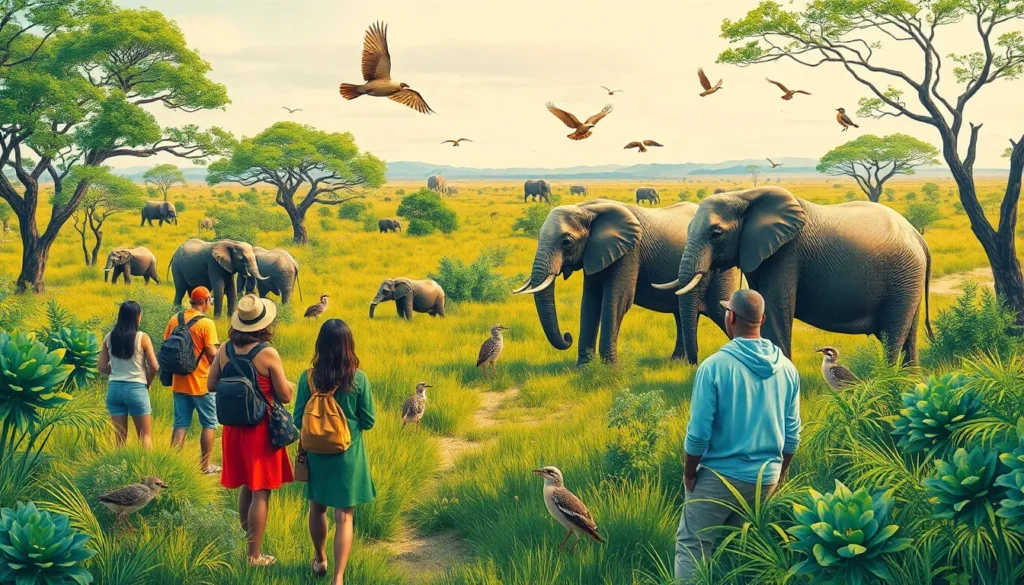
Sustainable wildlife tourism takes place in diverse habitats, including forests, savannas, wetlands, mountains, and marine environments. The behavior of wildlife in these areas varies widely, but tourism activities are designed to minimize interference with natural behaviors such as feeding, mating, and migration. Wildlife tourism operators often work to understand species-specific needs and habitat sensitivities, ensuring that tourism does not disrupt critical life processes. Habitats are managed to maintain ecological integrity, often through protected areas or community conservancies that regulate human activity.
Why This Topic Matters
Sustainable wildlife tourism holds ecological, economic, and cultural significance. Ecologically, it supports conservation by providing funding and incentives to protect species and habitats. Economically, it offers alternative livelihoods to communities that might otherwise depend on unsustainable practices. Culturally, it fosters respect for biodiversity and indigenous knowledge, promoting cross-cultural understanding. Additionally, sustainable tourism raises awareness about environmental issues, encouraging responsible behavior among travelers and stakeholders, which is critical for global biodiversity conservation.
Common Misconceptions
Misconception: Wildlife tourism always benefits animals.
Correction: While sustainable wildlife tourism aims to benefit animals and habitats, poorly managed tourism can cause stress, behavioral changes, and habitat degradation.
Misconception: Sustainable tourism means no impact at all.
Correction: Sustainable tourism seeks to minimize and manage impacts rather than eliminate them entirely, balancing environmental, social, and economic factors.
Misconception: Local communities universally benefit from wildlife tourism.
Correction: Benefits depend on equitable management and participation; some communities may be marginalized without proper involvement and benefit-sharing mechanisms.
Misconception: All ecotourism is sustainable wildlife tourism.
Correction: Ecotourism is a broader category that includes sustainable wildlife tourism but also encompasses other nature-based tourism activities that may not focus on wildlife.
FAQ
What is sustainable wildlife tourism?
Sustainable wildlife tourism is responsible travel to natural areas that conserves wildlife and habitats, supports local communities, and educates visitors while minimizing negative impacts.
How does sustainable wildlife tourism benefit conservation?
It generates financial resources for protected areas, funds anti-poaching efforts, and encourages habitat preservation by providing alternative incomes to local people.
What are some challenges of sustainable wildlife tourism?
Challenges include managing visitor numbers to prevent overcrowding, avoiding disturbance to animals, ensuring equitable benefits for local communities, and addressing the carbon footprint of travel.




Leave a Reply