
Short Answer
21 Facts About Inland Taipans (Snakes)
- Most Venomous Snake: The inland taipan possesses the most toxic venom of any snake, with venom potent enough to kill multiple adult humans.
- Scientific Name: Its scientific name is Oxyuranus microlepidotus.
- Common Names: Also known as the “fierce snake” or “small-scaled snake.”
- Venom Composition: Its venom contains neurotoxins, myotoxins, and procoagulants, affecting the nervous system, muscles, and blood clotting.
- Geographic Range: Native to semi-arid regions of central Australia, particularly Queensland, South Australia, and the Northern Territory.
- Habitat: Prefers black soil plains and clay flats where it can find its primary prey.
- Diet: Primarily feeds on mammals, especially native rats and mice, which it can kill rapidly using venom.
- Behavioral Traits: Generally shy and reclusive, it avoids human contact and rarely bites unless provoked.
- Size: Typically grows to about 1.8 meters (6 feet) in length but can reach up to 2.5 meters.
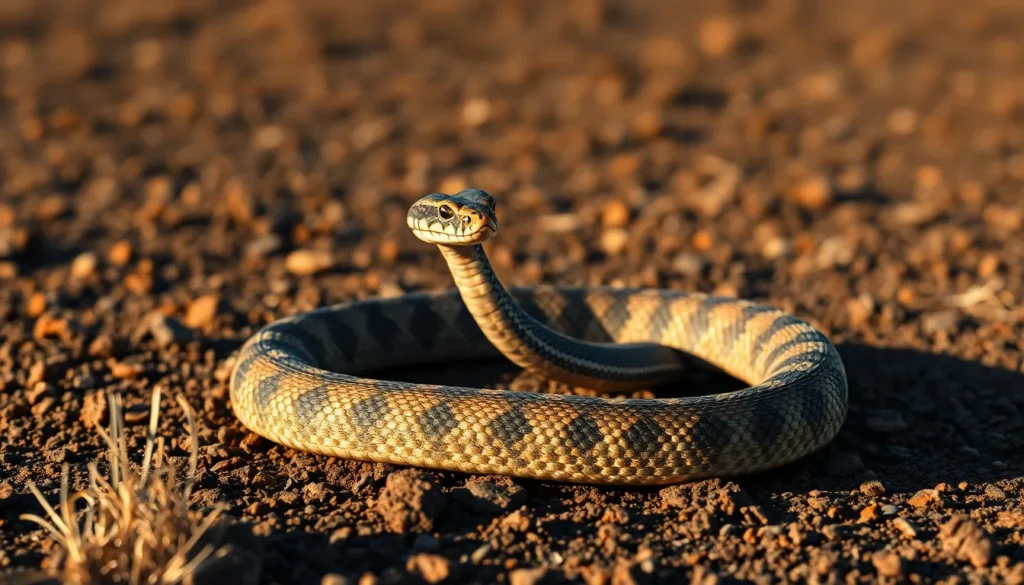
- Coloration: Its color varies seasonally from pale tan to dark brown, aiding camouflage in its environment.
- Reproduction: Oviparous, laying clutches of about 10 to 12 eggs per breeding season.
- Venom Yield: Although highly venomous, it injects a relatively small amount of venom per bite.
- Speed: Considered one of the fastest and most agile snakes in Australia.
- Antivenom: Effective antivenom exists, developed specifically for taipan bites, reducing fatality rates significantly.
- Conservation Status: Currently not listed as threatened but habitat disturbance could impact populations.
- Predators: Few natural predators due to its venom, but birds of prey and larger reptiles may occasionally prey on juveniles.
- Role in Ecosystem: Controls rodent populations, helping maintain ecological balance.
- Historical Accounts: First formally described by herpetologist Frederick McCoy in the late 19th century.
- Venom Research: Venom components are studied for potential medical applications, including blood clotting disorders.
- Interaction with Humans: Despite its deadly venom, incidents involving humans are rare due to its reclusive nature and remote habitat.
- Myth vs Reality: Often feared due to venom potency, but it generally avoids confrontation and bites only in self-defense.
Habitat and Behavior
The inland taipan inhabits the arid to semi-arid regions of central Australia, favoring black soil plains and clay flats which support populations of native rodents. Its coloration changes with seasons, providing camouflage against predators and aiding hunting. It is primarily nocturnal or crepuscular, avoiding the intense heat of midday. The snake is highly secretive and spends much of its time in burrows or under debris to escape predators and extreme temperatures. It preys mainly on small mammals, using its highly potent venom to immobilize prey quickly. Despite its lethal venom, the inland taipan is not aggressive and typically retreats when threatened.
Why This Animal Matters
The inland taipan plays a crucial role in controlling rodent populations, which helps protect crops and reduce disease transmission. Its venom has significant scientific importance, being studied for its unique properties and potential medical benefits. Conservation of its habitat ensures the preservation of a species that maintains ecological balance in its native environment. Additionally, understanding the inland taipan contributes to public education about venomous snakes, promoting respect and reducing unnecessary fear.
Common Misconceptions
Misconception: Inland taipans are aggressive and actively hunt humans.
Correction: Inland taipans are reclusive and avoid human contact, biting only in self-defense.
Misconception: All snakes with deadly venom are commonly encountered and cause many deaths.
Correction: The inland taipan lives in remote areas, and bites are extremely rare due to its shy nature and limited human interaction.
FAQ
Is the inland taipan the deadliest snake in the world?
Yes, based on venom toxicity, the inland taipan is considered the most venomous snake worldwide, with venom capable of killing multiple adults.
Where can inland taipans be found?
They are native to central Australia, inhabiting semi-arid regions including parts of Queensland, South Australia, and the Northern Territory.
Are inland taipans aggressive towards humans?
No, they are generally shy and avoid humans, biting only when threatened or provoked.


Leave a Reply