
Short Answer
21 Facts About Famous Individual Animals
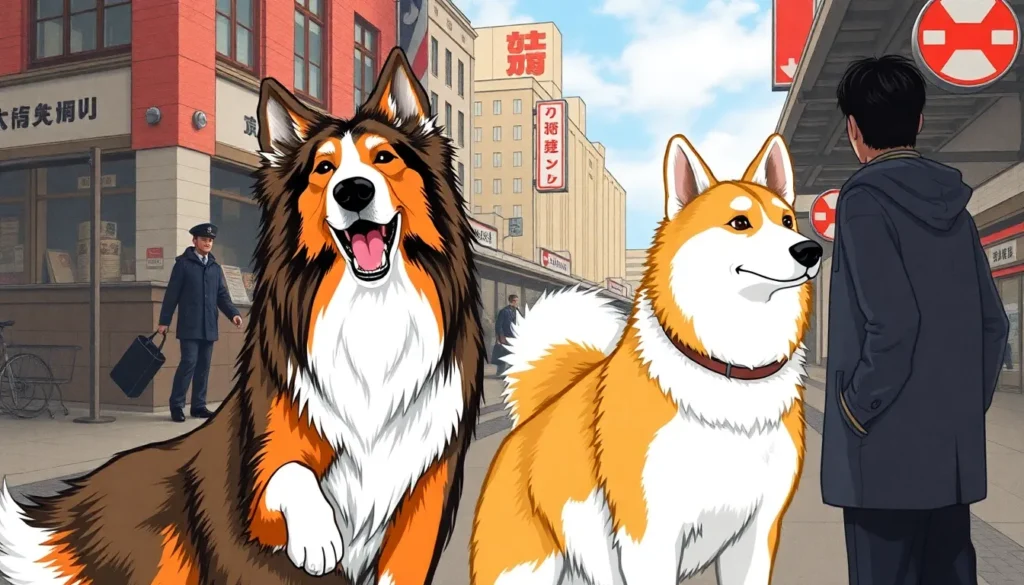
- Lassie’s Breed: Lassie is a Rough Collie, a breed known for intelligence and agility, which made her ideal for rescue stories.
- Origin of Lassie’s Story: The character Lassie was created by author Eric Knight in his 1940 short story and later novel “Lassie Come-Home.”
- Multiple Lassies: Over the years, several dogs played Lassie in movies and television, most notably Pal, the original male dog actor.
- Lassie’s Cultural Impact: Lassie became a symbol of loyalty and bravery, inspiring numerous films, TV series, and merchandise worldwide.
- Hachiko’s Breed: Hachiko was an Akita Inu, a Japanese breed known for its loyalty and strong protective instincts.
- Hachiko’s Loyalty: Hachiko famously waited every day at Shibuya Station for his owner to return from work for nearly 10 years after his owner’s death.
- Hachiko’s Owner: Professor Hidesaburo Ueno was Hachiko’s owner, who passed away suddenly in 1925, prompting Hachiko’s vigil.
- Statue of Hachiko: A bronze statue of Hachiko stands at Shibuya Station in Tokyo, commemorating his loyalty and inspiring visitors worldwide.
- Hachiko’s Story in Media: Hachiko’s story has been adapted into books, films, and television programs internationally.
- Lassie’s First Film: The 1943 film “Lassie Come Home” starred Pal and helped launch Lassie’s fame in cinema.
- Lassie’s Television Series: The popular 1950s and 1960s TV series “Lassie” featured weekly adventures emphasizing themes of friendship and rescue.
- Hachiko’s Breed Popularity: After Hachiko’s story became known, the Akita breed gained international recognition and admiration.
- Lassie’s Training: The dogs portraying Lassie were highly trained to perform complex actions and stunts for film and television.
- Hachiko’s Commemoration Day: April 8 is observed as “Hachiko Day” in Japan, celebrating the dog’s loyalty and spirit.
- Lassie’s Name Meaning: The name “Lassie” is a Scottish term meaning “young girl,” reflecting the character’s youthful and spirited nature.
- Hachiko’s Early Life: Hachiko was born in 1923 and was brought to Tokyo to live with Professor Ueno.
- Lassie’s Impact on Animal Welfare: Lassie’s popularity helped raise awareness about dog training and responsible pet care.
- Hachiko in Popular Culture: Hachiko’s story is often cited as an example of unwavering animal loyalty and fidelity.
- Lassie’s Gender Confusion: Despite being portrayed by male dogs, Lassie is depicted as female in stories and media.
- Hachiko’s Burial: Hachiko was buried beside Professor Ueno at the University of Tokyo, honoring their bond.
- Legacy of Both Animals: Lassie and Hachiko continue to be symbols of devotion, courage, and the unique relationships between humans and animals.
Habitat and Behavior
Lassie, as a Rough Collie, was bred in Scotland primarily as a herding dog. This breed thrives in rural and farm environments where intelligence and agility are essential. Rough Collies are known for their friendly temperament, trainability, and protective nature, often forming strong bonds with families. Lassie’s behavior, as portrayed in stories, typically includes acts of bravery, rescue, and loyalty.
Hachiko was an Akita Inu, a breed originating from Japan, traditionally used for hunting and guarding. Akitas are known for their strong-willed yet loyal nature. Hachiko’s behavior, particularly his daily wait for his deceased owner, exemplifies the breed’s reputation for steadfast loyalty and attachment to family members. Akitas require proper socialization and care due to their independent traits.
Why This Animal Matters
Lassie and Hachiko have played significant roles in cultural history by embodying qualities such as loyalty, courage, and companionship. Lassie’s influence extends into media and public awareness of dog training and animal heroism, while Hachiko’s story highlights the deep emotional connections possible between humans and animals. Both animals serve as symbols that transcend their species, inspiring art, literature, and social values around devotion and friendship.
Common Misconceptions
Misconception: Lassie was always a female dog.
Correction: Although Lassie is portrayed as female, the original dog actors, including Pal, were male.
Misconception: Hachiko waited at the station for only a short time.
Correction: Hachiko waited daily at Shibuya Station for nearly ten years after his owner’s death.
Misconception: Lassie was a real individual dog.
Correction: Lassie is a fictional character portrayed by multiple dogs over time, rather than one specific animal.
Misconception: Hachiko’s story is purely fictional.
Correction: Hachiko was a real dog whose story has been well documented and commemorated in Japan and internationally.
FAQ
Was Lassie a real dog?
Lassie is a fictional character originally created in a story by Eric Knight. Although multiple real dogs portrayed Lassie in films and television, there was no single real dog named Lassie.
Why is Hachiko famous?
Hachiko is famous for his extraordinary loyalty, waiting daily at Shibuya Station for his deceased owner for nearly ten years, symbolizing faithfulness and devotion.
What breed is Lassie?
Lassie is portrayed as a Rough Collie, a breed known for intelligence, agility, and friendly temperament.





Leave a Reply