
Short Answer
21 Facts About Cuttlefish
- Cuttlefish are cephalopods related to squids and octopuses. They belong to the class Cephalopoda, known for their bilateral body symmetry, a prominent head, and set of arms or tentacles.
- The cuttlebone is unique to cuttlefish. This internal shell helps regulate buoyancy and is commonly found washed ashore or used as a calcium source for pet birds.
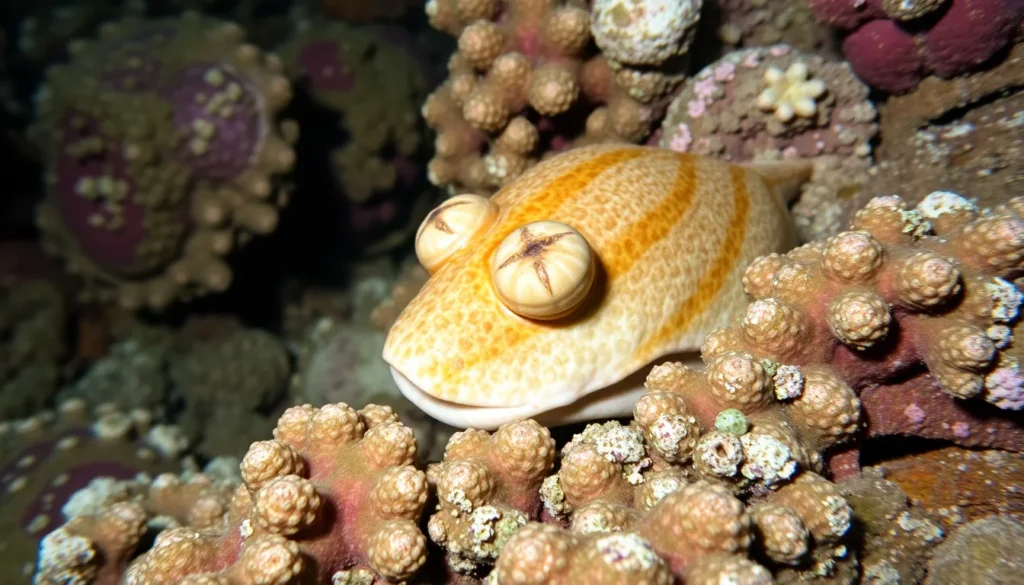
- They possess exceptional camouflage abilities. Cuttlefish can rapidly change their skin color and texture using specialized cells called chromatophores, leucophores, and iridophores.
- Cuttlefish have W-shaped pupils. This unusual eye shape enhances their ability to detect contrast and improves their vision underwater.
- They are known for complex communication. Color changes are used for signaling to other cuttlefish during mating and territorial displays.
- Their intelligence is considered high among invertebrates. Studies show cuttlefish exhibit problem-solving skills, learning capacity, and complex hunting strategies.
- Cuttlefish can produce ink for defense. When threatened, they release a cloud of dark ink to confuse predators and make a quick escape.
- They have a short lifespan, typically 1 to 2 years. Most cuttlefish species live relatively briefly compared to many other marine animals.
- They primarily feed on small fish, crabs, and shrimp. Using their tentacles, they swiftly capture prey with precision.
- Cuttlefish use a unique method called jet propulsion for movement. By expelling water through a siphon, they can quickly dart backward to evade threats.
- Many species exhibit sexual dimorphism. Males and females often differ in size, coloration, or patterning during mating seasons.
- Cuttlefish can perceive polarized light. This ability enhances their visual contrast and aids in detecting prey and predators.
- They have three hearts. Two branchial hearts pump blood through the gills, while a systemic heart circulates it throughout the body.
- Their blood contains hemocyanin. Unlike hemoglobin in humans, hemocyanin uses copper to transport oxygen, giving their blood a blue color.
- Cuttlefish eggs are often attached to substrates like seaweed or coral. The female lays eggs in clusters, where they develop until hatching.
- They exhibit complex mating behaviors. Males compete for females using color displays and physical interactions.
- Cuttlefish have a broad distribution. They inhabit shallow waters of temperate and tropical oceans worldwide.
- They play an important role in marine food webs. Serving as both predators and prey, they impact populations of smaller marine organisms and support larger predators.
- Cuttlefish skin contains cells that can reflect light in iridescent patterns. This ability aids in camouflage and communication.
- They can remember individual prey types and adjust hunting tactics. This suggests a capacity for learning and memory uncommon in many invertebrates.
- Cuttlefish are sensitive to changes in their environment. Pollution, ocean acidification, and habitat destruction can affect their survival and behavior.
Habitat and Behavior
Cuttlefish predominantly inhabit shallow coastal waters and continental shelves, where they can find abundant food sources and suitable substrates for egg laying. They are found in temperate and tropical seas worldwide, including the Mediterranean, North and South Atlantic, and Indo-Pacific regions. During the day, cuttlefish often remain close to the seabed, using their camouflage to blend with the environment and avoid predators. At night, they become more active hunters.
Behaviorally, cuttlefish are solitary animals except during mating periods. They communicate through complex color changes and body postures, which help establish dominance or attract mates. Their hunting strategy involves stealth and rapid tentacle strikes to capture prey. When threatened, they can eject ink and use jet propulsion to escape swiftly.
Why This Animal Matters
Cuttlefish play a vital ecological role in marine ecosystems as both predators and prey. By feeding on small fish, crustaceans, and mollusks, they help maintain the balance of marine populations. Their presence supports higher trophic levels, including larger fish, marine mammals, and seabirds that prey on them. Furthermore, cuttlefish are of interest to scientific research due to their remarkable camouflage, advanced nervous systems, and learning abilities, which provide insight into evolution and neurobiology.
From a cultural perspective, cuttlefish have been part of human diets in various cultures and are recognized in art and literature for their unique appearance and behaviors. Conservation-wise, monitoring cuttlefish populations can serve as indicators of ocean health, as they are sensitive to environmental changes caused by pollution or climate change.
Common Misconceptions
Misconception: Cuttlefish are fish.
Correction: Despite their name, cuttlefish are mollusks, specifically cephalopods, and are not fish. They are more closely related to octopuses and squids.
Misconception: All cuttlefish can change to any color instantly.
Correction: While cuttlefish have impressive camouflage, their color change capabilities are species-specific and influenced by environmental factors; not all changes happen instantly or cover all possible colors.
Misconception: Cuttlefish use their ink only for defense.
Correction: Ink is primarily a defensive mechanism, but some species’ ink may also play roles in communication or distraction beyond mere escape.
Misconception: Cuttlefish can live for many years.
Correction: Most cuttlefish species have a relatively short lifespan, generally one to two years.
Misconception: Cuttlefish are solitary and non-social.
Correction: While generally solitary, cuttlefish exhibit social behaviors during mating seasons that involve communication through color and posturing.
FAQ
Why are cuttlefish able to change their color so quickly?
Cuttlefish change color rapidly due to specialized skin cells called chromatophores, iridophores, and leucophores that manipulate pigments and reflect light, allowing them to blend into their surroundings or communicate.
How do cuttlefish use their cuttlebone?
The cuttlebone is an internal, porous shell that helps cuttlefish regulate their buoyancy by adjusting the gas-to-liquid ratio within it, enabling them to maintain position in the water column.
Are cuttlefish dangerous to humans?
Cuttlefish are generally not dangerous to humans. They are shy creatures that use ink and rapid flight to avoid threats rather than aggressive behavior.


Leave a Reply