
Short Answer
21 Facts About Alpacas
- Domestication History: Alpacas have been domesticated for over 6,000 years by indigenous peoples of the Andes, primarily in Peru, Bolivia, and Chile.
- Fiber Quality: Alpacas produce a soft, luxurious fiber that is highly valued in textile industries for its warmth, lightweight, and hypoallergenic properties.
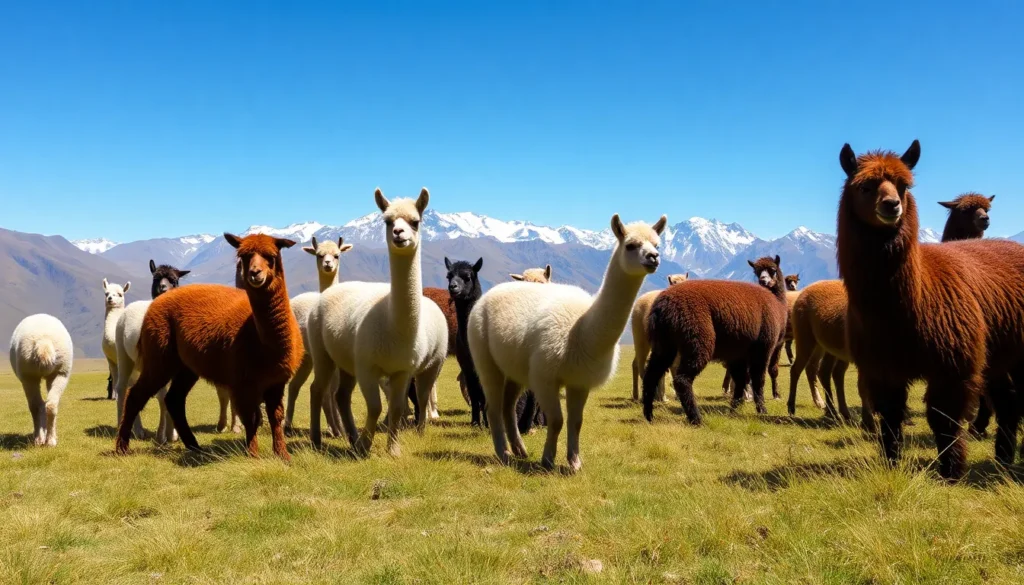
- Two Breeds: There are two main breeds of alpacas: the Huacaya, which has fluffy, crimped fiber, and the Suri, which has long, silky, and lustrous fiber.
- Social Animals: Alpacas are social herd animals that communicate using body language, ear movements, and a variety of vocalizations.
- Diet: They are herbivores that mainly graze on grasses and occasionally consume hay and other plants.
- Size and Weight: Adult alpacas typically weigh between 48 to 84 kilograms (106 to 185 pounds) and stand about 81 to 99 centimeters (32 to 39 inches) tall at the shoulder.
- Unique Hemoglobin: Alpacas have a special type of hemoglobin adapted to efficiently carry oxygen at high altitudes in the Andes Mountains.
- No Horns or Teeth: Unlike many other livestock, alpacas do not have horns, and their teeth grow continuously, requiring natural wear from grazing.
- Spitting Behavior: Alpacas sometimes spit as a defense mechanism or to show dominance within the herd.
- Reproductive Cycle: Female alpacas have a gestation period of about 11 to 12 months, usually giving birth to a single offspring called a cria.
- Longevity: Alpacas have an average lifespan of 15 to 20 years, though some can live longer in optimal conditions.
- Environmental Adaptations: Alpacas are well adapted to cold, harsh environments and can survive in altitudes up to 4,800 meters (15,700 feet).
- Relatives: Alpacas are closely related to llamas, vicuñas, and guanacos, all members of the camelid family native to South America.
- Fiber Colors: Alpaca fiber naturally occurs in more than 22 different colors, ranging from white to black and many shades of brown and gray.
- Grazing Impact: Alpacas have padded feet that are gentle on the terrain, causing less soil erosion compared to other livestock.
- Conservation Status: While alpacas themselves are not endangered, their wild relatives, like vicuñas, have faced conservation challenges.
- Global Farming: Alpacas are now farmed worldwide, including in North America, Europe, and Australia, primarily for fiber production.
- Behavioral Traits: Alpacas are generally gentle and curious animals, exhibiting calm and cooperative behavior around humans.
- Population in Peru: Peru has the largest population of alpacas globally, with millions contributing significantly to the rural economy.
- Fiber Uses: Alpaca fiber is used for clothing, blankets, and artisanal crafts, prized for its insulating and water-repellent qualities.
- Health and Care: Alpacas require routine health care, including vaccinations and parasite control, to maintain herd health.
Habitat and Behavior
Alpacas are native to the South American Andes Mountains, predominantly found at elevations between 3,500 and 5,000 meters (11,500 to 16,400 feet). They thrive in cold, arid climates where oxygen levels are lower than at sea level. Their specialized hemoglobin allows them to efficiently utilize oxygen in these high-altitude environments. Alpacas live in herds and display strong social structures, communicating through various sounds and body language. They are grazing animals, feeding mainly on native grasses and vegetation. Their padded feet help them traverse rocky and uneven terrain without damaging the environment. Alpacas are generally docile and tend to avoid confrontation, using spitting primarily for social interactions within the herd rather than as a defense against predators.
Why This Animal Matters
Alpacas hold significant ecological, economic, and cultural importance. Ecologically, they have adapted to fragile high-altitude ecosystems, grazing in a way that minimizes environmental impact. Economically, alpacas provide fiber that supports local and international textile markets, offering sustainable livelihoods for Andean communities. Culturally, alpacas have been integral to Andean heritage, symbolizing traditional farming and artisanal practices. Conservation efforts for their wild relatives highlight the importance of maintaining biodiversity in their native regions. Additionally, alpacas contribute to sustainable agriculture due to their low environmental footprint compared to other livestock.
Common Misconceptions
Misconception: Alpacas are wild animals.
Correction: Alpacas are domesticated animals that have been bred by humans for thousands of years and do not exist in the wild.
Misconception: Alpacas and llamas are the same.
Correction: While both are South American camelids, alpacas are smaller, bred primarily for fiber, and have different physical and behavioral traits than llamas, which are larger and often used as pack animals.
Misconception: Alpacas can spit at humans unprovoked.
Correction: Alpacas generally spit to establish social hierarchy within their herd or when threatened, but spitting at humans is uncommon and usually provoked by stress or mishandling.
Misconception: Alpaca fiber is itchy like wool.
Correction: Alpaca fiber is typically softer and less itchy than wool, making it suitable for people with wool sensitivities.
Misconception: Alpacas can survive in any climate.
Correction: Alpacas are best suited to cooler, high-altitude environments and may require special care in hot or humid climates.
FAQ
What is the difference between an alpaca and a llama?
Alpacas are smaller and primarily bred for their fiber, while llamas are larger and used mainly as pack animals. Alpacas have softer, finer fleece and a more slender face compared to llamas.
How is alpaca fiber different from sheep wool?
Alpaca fiber is generally softer, warmer, and less itchy than sheep wool. It is also hypoallergenic because it lacks lanolin, which is present in wool and can cause irritation.
Can alpacas spit at humans?
Alpacas may spit primarily to communicate with other alpacas, often to show dominance or discomfort. Spitting at humans is rare and usually occurs if the animal feels threatened or stressed.





Leave a Reply