
Short Answer
21 Facts About Coprophagy in Animals
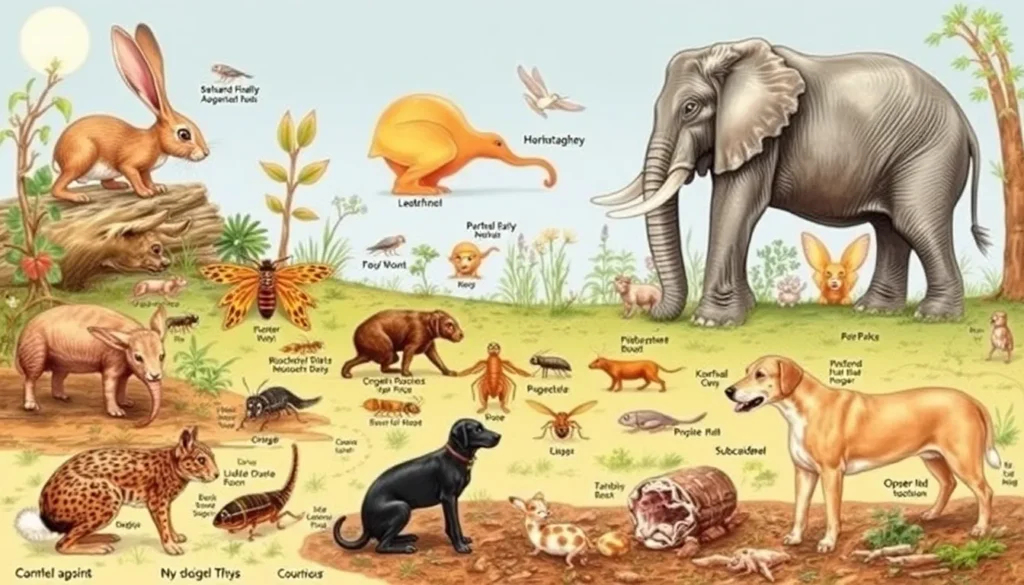
- Coprophagy is common among many animal species. It is observed in mammals, insects, and some birds, indicating its adaptive significance across diverse taxa.
- Coprophagy aids in nutrient absorption. Some animals consume feces to extract nutrients produced by gut microbes that were not absorbed during the first digestion.
- Rabbits and hares are well-known coprophagous animals. They produce two types of feces, one of which they consume directly to re-digest and absorb essential nutrients.
- Coprophagy supports gut microbiome development in young animals. For example, some mammals introduce beneficial microbes to their offspring through fecal consumption.
- Dogs sometimes engage in coprophagy. While often considered undesirable, it can stem from dietary deficiencies, behavioral issues, or instinctive behavior.
- Termites consume feces as part of their diet. This behavior allows them to recycle nutrients and maintain symbiotic gut bacteria necessary for digesting cellulose.
- Coprophagy can help animals obtain vitamins. Some gut bacteria synthesize vitamins such as B-complex vitamins, which animals can absorb through fecal consumption.
- Elephants have been observed engaging in coprophagy. This may help reinforce gut flora or provide nutrients absent in their typical diet.
- Some primates exhibit coprophagy. Chimpanzees and other species occasionally consume feces, possibly for nutritional or social reasons.
- Coprophagy is an adaptive behavior to poor diets. Animals in nutrient-poor environments may rely on fecal consumption to supplement their intake.
- Insects like dung beetles interact with feces but do not practice coprophagy in the traditional sense. They feed on feces but often bury it or use it for reproduction rather than re-ingestion.
- Coprophagy plays a role in some species’ social structures. For example, it can serve as a way to establish social bonds or hierarchies in certain animal groups.
- Some animals consume the feces of other species. This cross-species coprophagy can help animals access nutrients or beneficial microbes not available in their own gut.
- Coprophagy can help maintain a healthy gut microbiome. Consuming feces reintroduces beneficial bacteria that aid digestion and immune function.
- In some species, coprophagy is vital for survival. For example, without re-ingesting feces, certain herbivores would not obtain sufficient nutrients to thrive.
- Coprophagy can reduce waste accumulation in habitats. By consuming feces, animals can contribute to environmental cleanliness and reduce parasite loads.
- Not all coprophagy is intentional or beneficial. In some cases, it may be a symptom of illness or behavioral problems.
- Coprophagy has been observed in controlled animal husbandry settings. Understanding it helps improve animal welfare and dietary management.
- Human coprophagy is extremely rare and typically considered pathological. Unlike many animals, humans do not generally benefit from fecal consumption.
- Scientific study of coprophagy helps understand animal nutrition and behavior. This knowledge can inform conservation, veterinary care, and ecological research.
- Cultural views on coprophagy vary widely. While often seen as taboo or disgusting in humans, it is a natural and important behavior in many animal species.
Habitat and Behavior
Animals that engage in coprophagy inhabit a wide range of environments, from forests and grasslands to deserts and wetlands. Herbivorous mammals such as rabbits, beavers, and some rodents often inhabit regions where plant material is fibrous and difficult to digest, necessitating coprophagy to maximize nutrient extraction. Insects like termites live in soil and decaying wood environments where they rely on fecal matter to sustain their gut microbiota essential for cellulose digestion. Behavioral patterns vary by species; for example, rabbits produce specialized fecal pellets (cecotropes) that they consume directly after production, while dogs may eat feces opportunistically or due to behavioral factors. Coprophagy is often linked to survival strategies, allowing animals to obtain vitamins, maintain gut health, and recycle nutrients in their ecosystems.
Why This Animal Matters
Coprophagous animals play critical roles in their ecosystems. By recycling nutrients through fecal consumption, they contribute to nutrient cycling and soil fertility. Herbivores reliant on coprophagy, such as rabbits, influence vegetation dynamics and serve as prey for numerous predators, maintaining food web balance. Insects like dung beetles and termites aid in decomposing fecal matter, reducing parasite loads and promoting environmental health. Understanding coprophagy also has implications for animal husbandry and veterinary care, improving dietary management and welfare. Additionally, studying this behavior sheds light on evolutionary adaptations related to digestion and microbiome symbiosis, enhancing our knowledge of animal biology.
Common Misconceptions
Misconception: Coprophagy is always a sign of poor hygiene or disease.
Correction: While coprophagy can sometimes indicate illness, in many species it is a natural, healthy behavior essential for nutrient absorption and gut health.
Misconception: Only animals in captivity or poor conditions engage in coprophagy.
Correction: Coprophagy occurs naturally in wild populations as an adaptive feeding strategy, regardless of captivity status.
Misconception: All feces are equally beneficial to consume.
Correction: Many animals selectively consume specific types of feces, such as nutrient-rich cecotropes, rather than all fecal matter indiscriminately.
Misconception: Coprophagy is a behavior unique to mammals.
Correction: Coprophagy is observed in various animal groups, including insects and some birds, highlighting its broad ecological significance.
FAQ
Why do some animals eat their own feces?
Certain animals consume their own feces to re-digest food and absorb nutrients and vitamins produced by gut bacteria that were not absorbed the first time.
Is coprophagy harmful to animals?
In many species, coprophagy is a natural and beneficial behavior. However, in some cases, it can indicate health or behavioral problems.
Do all animals practice coprophagy?
No, coprophagy is specific to certain species and is primarily found in herbivores and some omnivores that benefit from re-ingesting fecal matter for nutritional purposes.

Leave a Reply