
Short Answer
21 Facts About Gnathostomulids (Jaw Worms)
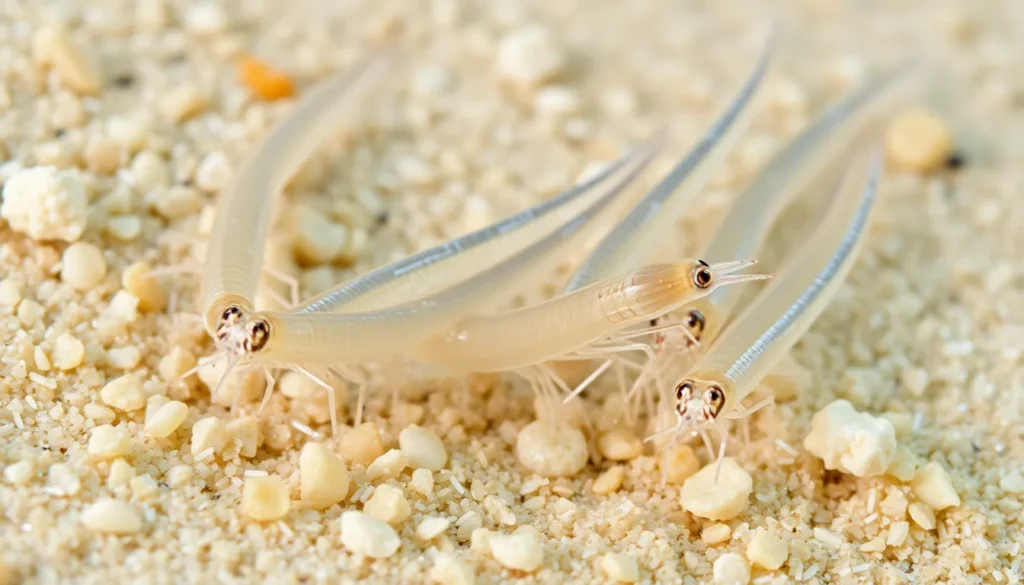
- Microscopic Size: Gnathostomulids are very small, typically ranging from 0.5 to 1 millimeter in length, making them difficult to observe without a microscope.
- Unique Jaw Structure: They possess a distinctive pair of jaws with complex teeth, which they use to scrape microorganisms and organic matter from sediments.
- Marine Habitat: Jaw worms inhabit marine environments, primarily living in moist sand and mud beneath shallow coastal waters.
- Simple Body Plan: Their bodies are elongated, slender, and unsegmented, lacking a true coelom or circulatory system.
- Diploblastic-Like Organization: Although triploblastic, their tissue organization is simple and somewhat similar to diploblastic animals in some respects.
- Reproduction: Gnathostomulids reproduce sexually, with most species being hermaphroditic, possessing both male and female reproductive organs.
- Limited Nervous System: They have a simple nervous system with paired cerebral ganglia and longitudinal nerve cords.
- Oxygen Absorption: These worms lack specialized respiratory organs and absorb oxygen directly through their body surface.
- Low Metabolic Rate: Jaw worms have a slow metabolism suited to their low-oxygen, sedimentary environment.
- Ecological Role: They play a role in the breakdown of organic material and nutrient cycling within marine sediment ecosystems.
- Taxonomic Classification: Gnathostomulids belong to their own phylum, Gnathostomulida, distinct from flatworms and other worm-like invertebrates.
- Discovery: The phylum was first described in 1956, reflecting their relatively recent recognition by science.
- Diversity: There are approximately 100 known species of gnathostomulids worldwide.
- Habitat Specificity: They are typically found in oxygen-poor interstitial spaces between sand grains in marine sediments.
- Survival in Low Oxygen: Their adaptations allow them to survive in environments with very low oxygen levels where many other organisms cannot.
- Feeding Mechanism: Jaw worms use their jaws to scrape bacteria and fungi from sediment particles, contributing to microbial population control.
- Locomotion: They move by gliding with cilia on their ventral side and by muscular contractions.
- Lack of Circulatory System: Instead of blood vessels, nutrients and gases diffuse through their tissues directly.
- Regeneration: Some species show limited regenerative abilities, particularly of anterior body parts.
- Research Importance: Gnathostomulids have been studied for insights into the evolution of early bilaterian animals due to their simple body organization.
- Fragile Bodies: Their soft and delicate bodies are easily damaged, which can complicate collection and study.
Habitat and Behavior
Gnathostomulids are marine invertebrates that inhabit the interstitial spaces between sand grains in shallow coastal sediments. They prefer environments with low oxygen levels and fine, moist sand or mud substrates. These tiny worms move using cilia and muscle contractions, gliding through sediment particles. Their feeding strategy involves scraping bacteria, fungi, and detritus off sediment grains using their specialized jaws. Their simple body design lacks circulatory and respiratory systems, relying on diffusion for gas exchange and nutrient distribution. Their survival in low-oxygen environments and ability to exploit microhabitats between sediment particles make them uniquely adapted to their ecological niche.
Why This Animal Matters
Although minute and often overlooked, gnathostomulids play a significant role in marine sediment ecosystems by contributing to the decomposition of organic matter and cycling of nutrients. They help regulate microbial communities by feeding on bacteria and fungi, influencing sediment health and chemistry. Their evolutionary significance is notable, as their simple body plan provides clues about early bilaterian animal evolution. While they do not have direct cultural importance or conservation concerns due to their abundance and microscopic size, they remain important for scientific research in marine biology and evolutionary studies.
Common Misconceptions
Misconception: Gnathostomulids are parasitic worms.
Correction: Gnathostomulids are free-living marine worms that feed on microorganisms in sediments and are not parasitic.

Misconception: Jaw worms are a type of flatworm.
Correction: Although similar in appearance to flatworms, gnathostomulids belong to their own distinct phylum and differ in anatomy and biology.
Misconception: They have complex organs like vertebrates.
Correction: Gnathostomulids have very simple body structures, lacking circulatory, respiratory, and excretory organs found in more complex animals.
FAQ
What are gnathostomulids commonly called?
Gnathostomulids are commonly known as jaw worms due to their distinctive jaw structures used for feeding.
Where do gnathostomulids live?
They live in marine environments, specifically in the interstitial spaces between grains of sand or mud in shallow coastal sediments.
How do gnathostomulids breathe without respiratory organs?
They absorb oxygen directly through their skin by diffusion, which is sufficient given their small size and low metabolic demands.


Leave a Reply