
Short Answer
21 Facts About Caddisflies
- Caddisflies belong to the order Trichoptera. They are closely related to moths and butterflies within the superorder Amphiesmenoptera.
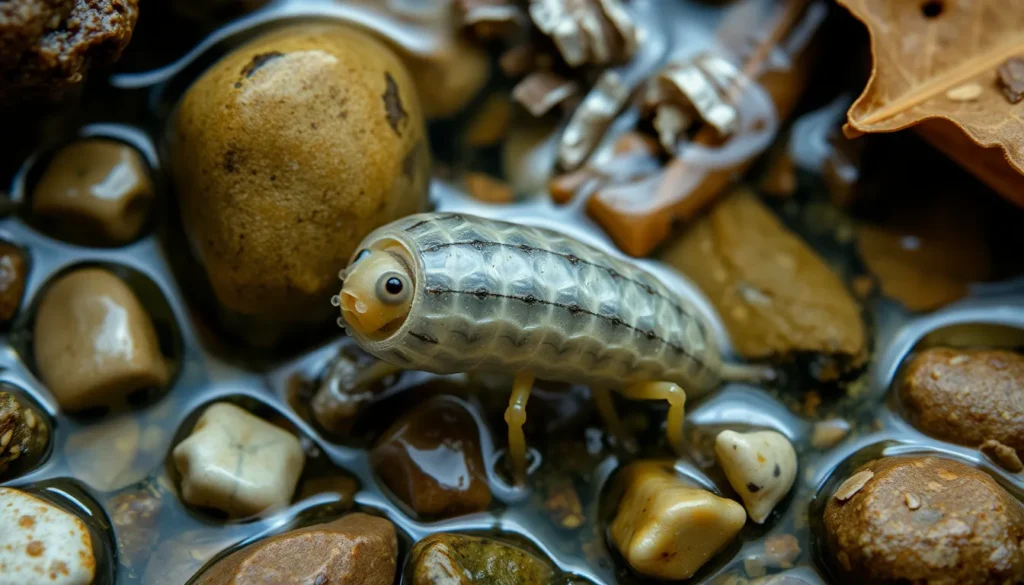
- Larvae construct protective cases. Many caddisfly larvae build cases from silk and environmental materials such as sand, twigs, and leaves.
- Case-building varies by species. Different species use distinct materials and construction styles, often aiding in species identification.
- Caddisfly larvae are aquatic. They live primarily in freshwater habitats such as streams, rivers, and lakes.
- Adults are terrestrial and typically nocturnal. They emerge from water, live briefly on land, and are mostly active at night.
- Adult caddisflies have hairy wings. Their name, Trichoptera, means “hairy wings” in Greek, distinguishing them from the scaly wings of butterflies.
- There are over 14,000 described species worldwide. Caddisflies are diverse and found on every continent except Antarctica.
- Caddisfly larvae play a key role in freshwater ecosystems. They contribute to nutrient cycling by shredding plant material and serving as food for fish and other predators.
- Some species are sensitive to water pollution. Their presence and abundance are used as bioindicators for water quality assessment.
- Adult caddisflies do not feed extensively. Many adults subsist on stored energy from the larval stage and have reduced mouthparts.
- Larval cases offer protection from predators and environmental hazards. The cases camouflage the larvae and reduce risk from currents and predators.
- Caddisfly larvae exhibit diverse feeding strategies. Some are shredders, others are scrapers, collectors, or predators depending on the species.
- They undergo complete metamorphosis. Their life cycle includes egg, larva, pupa, and adult stages.
- Some larvae build fixed retreats instead of portable cases. These fixed shelters attach to substrates and provide shelter without mobility.
- Caddisflies are important in fly fishing. Their larvae and adults are mimicked by artificial flies to attract fish.
- The evolutionary history of caddisflies dates to the Mesozoic era. Fossils indicate their presence over 200 million years ago.
- Larvae produce silk from specialized glands. This silk is used to bind case materials and construct nets or retreats.
- Caddisfly wings have a unique vein pattern. This pattern helps entomologists distinguish them from other insects.
- Adult caddisflies typically live only a few days to weeks. Their primary role is reproduction before death.
- Some species use chemical defenses. Certain larvae produce substances to deter predators.
- Caddisflies contribute to freshwater biodiversity. They are part of complex food webs and support ecosystem health.
Habitat and Behavior
Caddisflies inhabit freshwater environments worldwide, ranging from fast-flowing streams to still ponds and lakes. Larvae are aquatic and generally require clean, well-oxygenated water. Many build portable cases from materials found in their surroundings, which they carry as protection while they feed on detritus, algae, or small invertebrates. Some species spin nets to capture food particles from flowing water. Adults emerge from the water, typically in the evening, and are attracted to lights. Adult caddisflies do not feed extensively and focus on reproduction, often living only a short time. Their behaviors, such as case-building and silk production, are adapted to survival in aquatic habitats and protection from predators.
Why This Animal Matters
Caddisflies serve important ecological functions in freshwater ecosystems. Their larvae help break down organic matter, promoting nutrient recycling. They are a significant food source for fish, amphibians, and other aquatic predators. Due to their sensitivity to pollution, caddisflies are used as indicators of water quality in environmental monitoring programs. Additionally, they have cultural significance in recreational fly fishing, where their life stages are imitated for fishing lures. Conservation of caddisfly habitats helps maintain biodiversity and the health of freshwater environments.
Common Misconceptions
Misconception: All caddisfly larvae build cases.
Correction: While many species construct portable cases, some larvae build fixed retreats or do not build cases at all.

Misconception: Adult caddisflies are harmful pests.
Correction: Adult caddisflies are generally harmless and do not bite or sting; they pose no threat to humans.
Misconception: Caddisflies are a type of mosquito or fly.
Correction: Despite their name, caddisflies belong to a distinct order (Trichoptera) separate from true flies (Diptera) and mosquitoes (Culicidae).
Misconception: Caddisfly larvae only eat algae.
Correction: Larval diets vary widely and include detritus, algae, small invertebrates, and organic matter depending on the species.
Misconception: Caddisflies can live in any water body.
Correction: Many caddisflies require specific water quality conditions, especially oxygen levels, making them indicators of clean water.
FAQ
What do caddisfly larvae eat?
Caddisfly larvae have diverse diets depending on the species; they may feed on algae, detritus, small invertebrates, or organic matter.
How do caddisfly larvae build their cases?
Larvae produce silk from specialized glands and use it to bind materials such as sand grains, plant fragments, or small stones to create protective portable cases.
Are adult caddisflies harmful to humans?
No, adult caddisflies are harmless; they do not bite or sting and generally live only briefly to reproduce.

Leave a Reply