
Short Answer
21 Facts About Arowanas
- Ancient lineage: Arowanas belong to the family Osteoglossidae and are considered living fossils, with a lineage dating back over 100 million years.
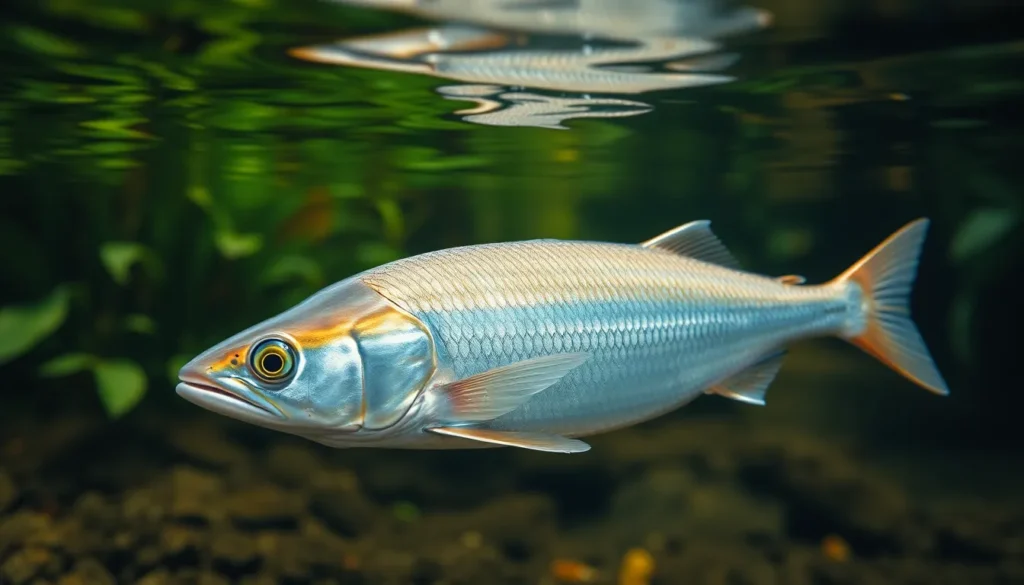
- Distinctive body shape: They have elongated bodies covered with large, metallic scales that reflect light, giving them a shiny appearance.
- Surface feeders: Arowanas primarily feed at the water surface, preying on insects, smaller fish, and other animals that come near or fall into the water.
- Ability to jump: Some species of arowanas are known to jump out of the water to catch prey such as insects or small birds.
- Mouthbrooding behavior: Male arowanas are mouthbrooders, carrying fertilized eggs and young fry in their mouths for protection during early development.
- Varied species distribution: Different arowana species are native to South America, Southeast Asia, Australia, and Africa, each adapted to their local environments.
- Popular aquarium fish: Arowanas are sought after by aquarium enthusiasts for their striking appearance and unique behaviors.
- Size range: Depending on the species, arowanas can grow up to 90 cm (about 3 feet) or more in length in the wild.
- Surface breathing adaptation: They possess a suprabranchial organ that allows them to gulp air from the surface, which supplements oxygen intake.
- Diet variability: While primarily carnivorous, arowanas can also consume plant matter and detritus, depending on availability.
- Slow growth rate: Arowanas generally grow slowly, which is a factor in their vulnerability to overfishing.
- Important in traditional medicine: In some cultures, arowana scales and body parts are believed to have medicinal properties.
- Cultural symbolism: Particularly in East and Southeast Asia, arowanas are considered symbols of luck, prosperity, and strength.
- Conservation concerns: Several species are threatened by habitat loss and overexploitation for the aquarium trade.
- Territorial behavior: Arowanas can be aggressive and territorial, especially males during breeding seasons.
- Nocturnal activity: While often active during the day, some arowana species display crepuscular or nocturnal behaviors.
- Unique swimming style: They exhibit a graceful, undulating swimming motion that is characteristic of the species.
- Variation in coloration: Arowanas show a range of colors, including silver, red, gold, and green, depending on species and environmental factors.
- Hybridization attempts: Some breeders have attempted to hybridize different species, though success and viability vary.
- Role in ecosystems: Arowanas act as apex or near-apex predators in their freshwater habitats, helping regulate populations of smaller species.
- Reproductive strategy: Females lay eggs, but it is the males who predominantly care for the offspring by mouthbrooding until they can survive independently.
Habitat and Behavior
Arowanas inhabit freshwater rivers, floodplains, and swamps primarily in tropical regions. Their distribution includes the Amazon Basin in South America, parts of Southeast Asia such as Indonesia and Malaysia, Northern Australia, and certain African waterways. These fish prefer slow-moving or still waters with plenty of vegetation and submerged structures, which provide cover for hunting and protection from predators.
Behaviorally, arowanas are surface-oriented hunters. They are known for their ability to leap out of the water to catch prey, a behavior that helps them exploit food sources unavailable to many other fish. Their territorial nature can lead to aggression, particularly among males during breeding periods. They are also known to be solitary or loosely social animals depending on environmental conditions.
Arowanas use their suprabranchial organ to breathe atmospheric air, an adaptation that allows survival in oxygen-poor waters. Their mouthbrooding reproductive strategy ensures a higher survival rate for their young but limits the number of offspring produced at one time.
Why This Animal Matters
Ecologically, arowanas play a significant role as top or near-top predators within their freshwater ecosystems. By preying on various smaller fish and invertebrates, they help maintain balanced populations and contribute to the overall health of aquatic communities.
Culturally, arowanas are highly valued in many parts of Asia, where they are often referred to as “dragon fish” due to their scale patterns and body shape. They are believed to bring good fortune and prosperity, which has led to their prominence in aquaculture and ornamental fish trade.
From a conservation perspective, some species are vulnerable or endangered due to habitat destruction, pollution, and unregulated collection for the aquarium market. Efforts to monitor and protect natural populations are important for maintaining biodiversity and ecological integrity.
Common Misconceptions
Misconception: Arowanas can live indefinitely in small aquariums.
Correction: Arowanas grow large and require spacious tanks with proper filtration and care; small tanks can lead to health issues and stunted growth.
Misconception: All arowanas are aggressive towards other fish.
Correction: While often territorial, aggression levels vary among species and individuals, and some can coexist with compatible tank mates under proper conditions.
FAQ
What do arowanas eat?
Arowanas primarily feed on insects, smaller fish, and other surface prey, but their diet can vary by species and habitat.
Are arowanas suitable for home aquariums?
While popular, arowanas require large tanks, specific water conditions, and experienced care due to their size and behavior.
Why are arowanas considered lucky in some cultures?
In East and Southeast Asia, their dragon-like appearance and rarity have made them symbols of good fortune, wealth, and power.



Leave a Reply