
Short Answer
21 Facts About Thresher Sharks
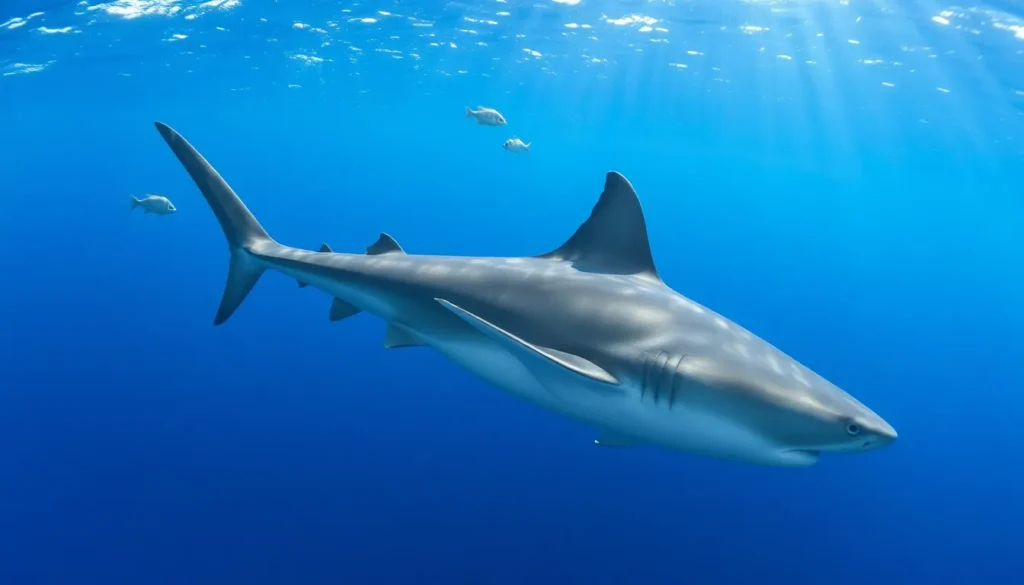
- Distinctive Tail: Thresher sharks are recognized by their exceptionally long upper caudal fin lobe, which can be as long as their body. They use this tail to stun prey.
- Three Species: There are three species of thresher sharks: the common thresher, the bigeye thresher, and the pelagic thresher.
- Size Range: Thresher sharks typically grow between 10 to 20 feet in length, including their tail.
- Diet: They primarily feed on small schooling fish, such as mackerel and herring, and cephalopods like squid.
- Hunting Technique: Threshers use their long tails to deliver powerful slaps to stun or kill prey before consumption.
- Distribution: These sharks are found in temperate and tropical oceans worldwide, often in coastal and offshore waters.
- Deep Divers: The bigeye thresher is known for diving to depths exceeding 500 meters to hunt.
- Reproductive Mode: Thresher sharks are ovoviviparous, meaning embryos develop inside eggs that hatch within the mother’s body.
- Gestation Period: Their gestation period can last up to nine months, typically resulting in small litters of 2 to 4 pups.
- Slow Reproduction: Thresher sharks reproduce slowly, making populations vulnerable to fishing pressures.
- Speed and Agility: Despite their size, threshers are fast swimmers, capable of bursts of speed to catch prey.
- Sensory Adaptations: Like other sharks, they possess electroreceptors called ampullae of Lorenzini to detect prey.
- Longevity: Thresher sharks can live up to 15–20 years in the wild.
- Social Behavior: They are generally solitary but may be seen in small groups when feeding.
- Conservation Status: Some thresher species are classified as vulnerable or endangered due to overfishing and bycatch.
- Commercial Value: Thresher sharks are targeted for their meat, fins, and liver oil.
- Role in Ecosystem: As mid-level predators, they help regulate populations of smaller fish species.
- Unique Tail Use: Their tail is also used for communication and display during mating rituals.
- Cultural Significance: Thresher sharks appear in some coastal communities’ folklore and are occasionally featured in fishing traditions.
- Research Challenges: Their deep and offshore habitat makes studying them in the wild difficult.
- Captive Care: Thresher sharks rarely survive in captivity due to their large size and specific habitat needs.
Habitat and Behavior
Thresher sharks inhabit temperate and tropical oceans globally, favoring both coastal shelves and open ocean environments. They are typically found at depths ranging from the surface to over 500 meters, with some species like the bigeye thresher known to dive deeply in search of prey. Behaviorally, they are mostly solitary hunters but may form small groups when feeding. Their unique hunting method involves using their elongated tail to stun prey, allowing them to capture multiple fish efficiently. Threshers are known for their agility and speed, traits that complement their predatory lifestyle. They reproduce ovoviviparously, giving birth to live young after an internal incubation period, which contributes to their slow population growth.
Why This Animal Matters
Thresher sharks play a significant ecological role as mid-level predators, helping maintain the balance of marine ecosystems by controlling populations of schooling fish and squid. Their unique morphology and hunting methods also contribute to the biodiversity and complexity of oceanic food webs. Culturally, they hold importance in some fishing communities and marine folklore. From a conservation perspective, thresher sharks face threats from overfishing, bycatch, and habitat degradation. Their slow reproductive rates make them particularly vulnerable, underscoring the need for sustainable management and protective measures to ensure their long-term survival.
Common Misconceptions
Misconception: Thresher sharks use their tails to attack humans.
Correction: Thresher sharks use their long tails primarily to stun fish prey and are not known to attack humans.
Misconception: All sharks are dangerous and aggressive.
Correction: Thresher sharks are generally shy and pose little threat to humans; attacks are extremely rare.
Misconception: Thresher sharks are fast-growing and reproduce quickly.
Correction: Threshers grow slowly and have low reproductive rates, making them vulnerable to population declines.
Misconception: Thresher sharks live only near the shore.
Correction: While some species frequent coastal areas, many thresher sharks are pelagic and inhabit open ocean waters.
FAQ
What is unique about a thresher shark's tail?
The thresher shark's tail has an exceptionally long upper lobe, sometimes as long as the rest of its body, which it uses to stun prey by delivering powerful slaps.
Where do thresher sharks live?
Thresher sharks inhabit temperate and tropical oceans worldwide, found in both coastal and open ocean environments, sometimes diving to deep waters.
Are thresher sharks dangerous to humans?
Thresher sharks are generally shy and not aggressive toward humans; attacks are rare and they primarily use their tails to hunt small fish.



Leave a Reply