
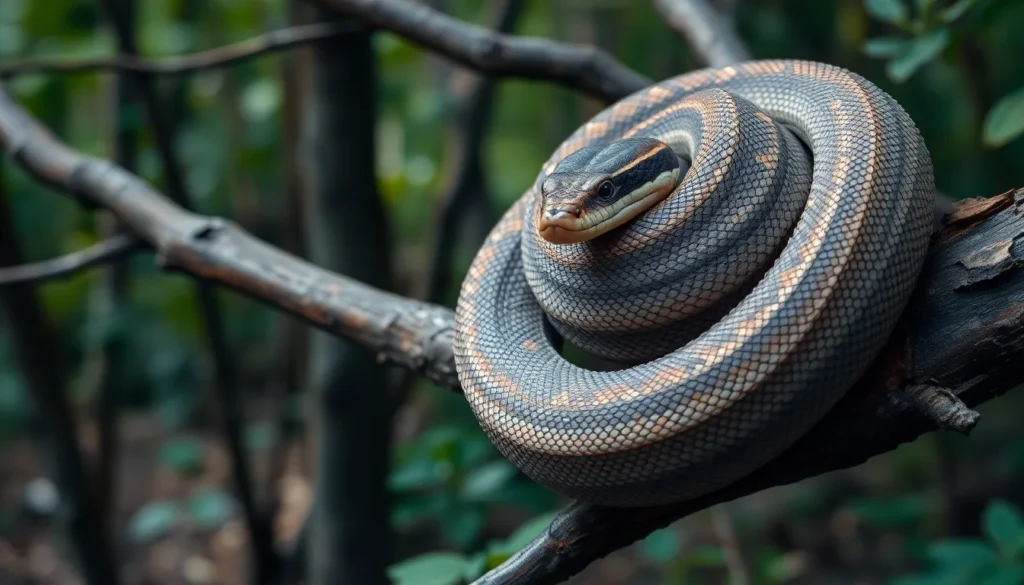
Short Answer
21 Facts About Rat Snakes
- Diverse Group: Rat snakes belong to the subfamily Colubrinae and include several genera, such as Pantherophis and Elaphe.
- Non-venomous: Rat snakes are non-venomous constrictors that subdue prey by coiling and squeezing rather than using venom.
- Wide Distribution: They are found across North America, Europe, and Asia, inhabiting a variety of environments.
- Rodent Predators: Their primary diet consists of rodents, which helps control pest populations in agricultural and urban areas.
- Varied Coloration: Rat snakes exhibit a range of colors and patterns, often adapting to their specific habitats for camouflage.
- Climbing Ability: Many rat snakes are excellent climbers and can often be found in trees and shrubs searching for prey or shelter.
- Size Range: Depending on the species, rat snakes can measure from around 2 to over 6 feet in length.
- Egg Layers: Rat snakes are oviparous, laying clutches of eggs that hatch after an incubation period of several weeks.
- Temperament: Generally shy and non-aggressive, rat snakes may vibrate their tails or emit musk when threatened.
- Habitat Flexibility: They occupy diverse habitats, including forests, grasslands, agricultural fields, and suburban areas.
- Activity Patterns: Many rat snakes are primarily nocturnal or crepuscular, though some species are more active during the day.
- Hibernation: In colder climates, rat snakes hibernate during winter months in communal dens or sheltered locations.
- Reproductive Behavior: Mating generally occurs in spring, with females laying eggs in warm, moist environments such as rotting logs or underground burrows.
- Molting Process: Rat snakes regularly shed their skin to accommodate growth and remove parasites.
- Predators: They face predation from birds of prey, larger mammals, and sometimes humans.
- Human Interaction: Often beneficial by controlling rodents, rat snakes may be mistakenly killed due to fear or misidentification.
- Conservation Status: While many rat snake species are common, habitat loss and persecution have impacted some local populations.
- Role in Ecosystem: Rat snakes contribute to maintaining ecological balance by regulating small mammal populations.
- Use in Research: Rat snakes have been subjects in studies related to snake behavior, ecology, and physiology.
- Pet Trade: Some species are kept as pets due to their manageable size and generally calm temperament, but wild populations should not be disturbed.
- Adaptability: Rat snakes demonstrate notable adaptability to changing environments, including urbanized areas.
Habitat and Behavior
Rat snakes inhabit a variety of environments, ranging from deciduous forests and grasslands to agricultural fields and suburban regions. Their adaptive nature allows them to thrive in both rural and urban settings. These snakes are primarily terrestrial but are strong climbers capable of navigating trees and shrubs in search of prey or refuge. Rat snakes are mostly nocturnal or active during twilight hours, though activity patterns can vary among species and regions. They rely on their keen sense of smell and sight to locate rodents, birds, and eggs. When threatened, rat snakes often exhibit defensive behaviors such as tail vibration, mimicry of rattlesnakes, or releasing a foul-smelling musk to deter predators.
Why This Animal Matters
Rat snakes play a crucial ecological role as natural pest controllers by feeding predominantly on rodents and other small mammals, which helps reduce crop damage and limit the spread of rodent-borne diseases. Their presence in ecosystems supports the balance of food webs, serving as both predator and prey. Culturally, rat snakes have been subject to myths and folklore, sometimes feared but often respected for their rodent control abilities. Conservation-wise, understanding and protecting rat snakes contribute to biodiversity and the health of ecosystems, especially as habitat loss and human persecution threaten some populations.
Common Misconceptions
Misconception: Rat snakes are venomous and dangerous to humans.
Correction: Rat snakes are non-venomous constrictors and generally pose no threat to humans. They may bite if provoked but do not have venom.
Misconception: Rat snakes aggressively attack people.
Correction: Rat snakes are shy and tend to avoid human interaction. Defensive behaviors primarily aim to scare off threats rather than cause harm.
Misconception: Rat snakes are harmful pests themselves.
Correction: Rat snakes are beneficial predators that help control rodent populations, reducing agricultural and health problems caused by pests.
FAQ
Are rat snakes dangerous to humans?
No, rat snakes are non-venomous and generally not dangerous to humans. They are shy and usually avoid confrontation.
What do rat snakes eat?
Rat snakes primarily feed on rodents, birds, and their eggs, helping control pest populations.
Where do rat snakes live?
Rat snakes live in a variety of habitats including forests, fields, and urban areas across North America, Europe, and Asia.





Leave a Reply