
Short Answer
21 Facts About Yellow-headed Amazon Parrots
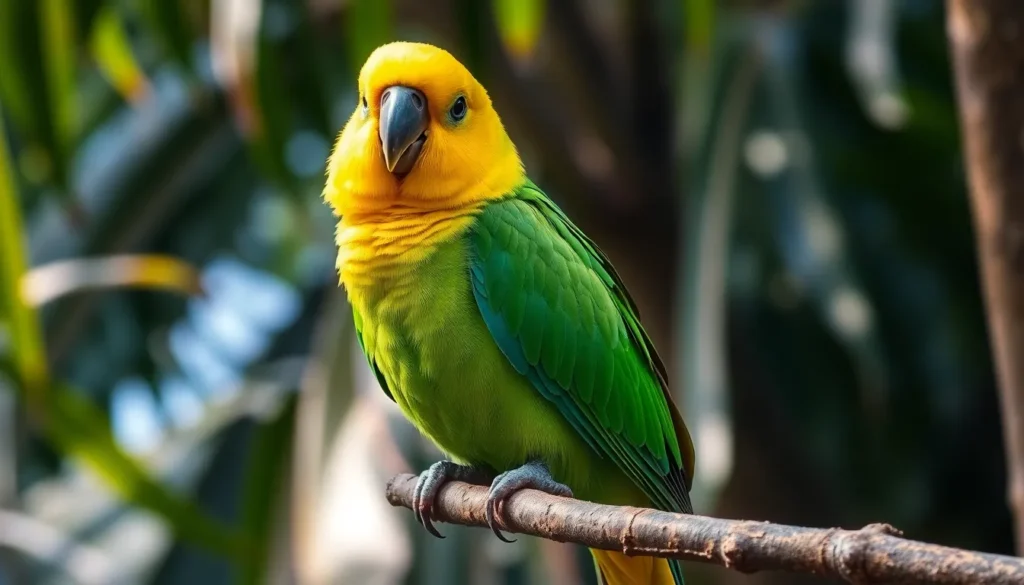
- Distinctive Yellow Head: The Yellow-headed Amazon parrot (Amazona oratrix) is named for its bright yellow head, which contrasts with its green body feathers.
- Native Range: They are native primarily to Mexico and parts of Central America, with some populations in northern Guatemala and Belize.
- Size and Lifespan: These parrots typically measure about 38 cm (15 inches) in length and can live up to 50 years or more in captivity.
- Vocal Mimicry: Yellow-headed Amazons are capable of mimicking human speech and other sounds, making them popular, though challenging, pets.
- Social Birds: In the wild, they are highly social and often seen in flocks, which helps protect against predators.
- Diet: Their diet mainly consists of seeds, fruits, nuts, and berries found in their forest habitats.
- Conservation Status: Classified as Endangered by the IUCN due to habitat loss and capture for the pet trade.
- Breeding: They nest in tree cavities and typically lay 2 to 4 eggs per breeding season.
- Flight Patterns: They exhibit strong and direct flight, often traveling long distances between feeding sites.
- Communication: Their vocalizations include squawks and whistles used to communicate within flocks.
- Intelligence: Known for their cognitive abilities, they can solve puzzles and learn complex tasks.
- Habitat Preference: They prefer tropical deciduous forests, woodlands, and sometimes mangroves near water sources.
- Threats: Beyond habitat loss, illegal trapping for the pet trade significantly threatens wild populations.
- Protection Efforts: Various conservation programs focus on habitat preservation and breeding to help sustain wild populations.
- Physical Adaptations: Their strong beaks help crack hard nuts and seeds, essential to their diet.
- Role in Ecosystem: By feeding on fruits and dispersing seeds, they contribute to forest regeneration.
- Molting: They undergo a gradual molting process to replace old feathers with new ones.
- Longevity in Captivity: With proper care, they can outlive many other pet birds, requiring a long-term commitment.
- Legal Protection: Many countries regulate or prohibit their capture and trade under international agreements like CITES.
- Variation in Coloration: Some individuals may show more extensive yellow plumage on their head and neck, varying by subspecies.
- Cultural Significance: They have been featured in folklore and are symbols of biodiversity in their native regions.
Habitat and Behavior
Yellow-headed Amazon parrots inhabit tropical and subtropical forests, particularly tropical deciduous forests and woodlands in Mexico and Central America. They prefer areas with abundant fruiting trees and access to water. These parrots are highly social and typically form flocks ranging from small groups to several dozen individuals. Their social structure aids in foraging and provides protection against predators. They are diurnal, active during the day, and roost in groups at night. Their diet consists mainly of seeds, nuts, fruits, and berries native to their habitats. Their strong beaks are well adapted to crack open hard shells. Breeding occurs in tree cavities, where the female lays eggs and both parents contribute to raising the young. Their vocalizations serve various functions, including communication within flocks and warning calls.
Why This Animal Matters
Yellow-headed Amazon parrots play a crucial ecological role as seed dispersers, helping maintain forest diversity and regeneration. Their feeding habits assist in spreading seeds across their habitat, supporting plant growth and ecosystem health. Culturally, these parrots are significant in their native regions, often symbolizing the rich biodiversity and natural heritage of Central America. Conservation-wise, their endangered status highlights the impact of habitat destruction and illegal wildlife trade, making them important indicators for environmental protection efforts. Protecting Yellow-headed Amazons benefits broader conservation goals, including preserving tropical forest ecosystems.
Common Misconceptions
Misconception: Yellow-headed Amazon parrots are easy pets because of their friendly nature.
Correction: While they can be social and affectionate, they require significant time, attention, and care, including mental stimulation, a proper diet, and a long-term commitment.
Misconception: All Yellow-headed Amazon parrots have uniformly bright yellow heads.
Correction: The extent of yellow coloration varies among individuals and subspecies, with some showing more green or less pronounced yellow markings.
Misconception: These parrots are abundant and not at risk.
Correction: The species is classified as Endangered due to habitat loss and illegal trapping, with wild populations declining significantly.
FAQ
Where do Yellow-headed Amazon parrots live?
They are native to Mexico and parts of Central America, primarily inhabiting tropical deciduous forests and woodlands.
Are Yellow-headed Amazon parrots good pets?
They can be affectionate and intelligent pets but require significant care, attention, and a long-term commitment due to their lifespan and social needs.
Why are Yellow-headed Amazon parrots endangered?
Their populations have declined mainly due to habitat destruction and illegal trapping for the pet trade.



Leave a Reply