
Short Answer
21 Facts About Nene (Hawaiian Geese)
- Endemic to Hawaii: The Nene is native exclusively to the Hawaiian Islands, with populations found mostly on the Big Island, Maui, and Kauai.
- State Bird of Hawaii: The Nene was declared the official state bird of Hawaii in 1957.
- Scientific Name: Its scientific name is Branta sandvicensis, reflecting its classification in the Branta genus of geese.
- Evolution from Canada Geese: The Nene evolved from Canada geese that arrived in Hawaii around 500,000 years ago and adapted to the island environment.
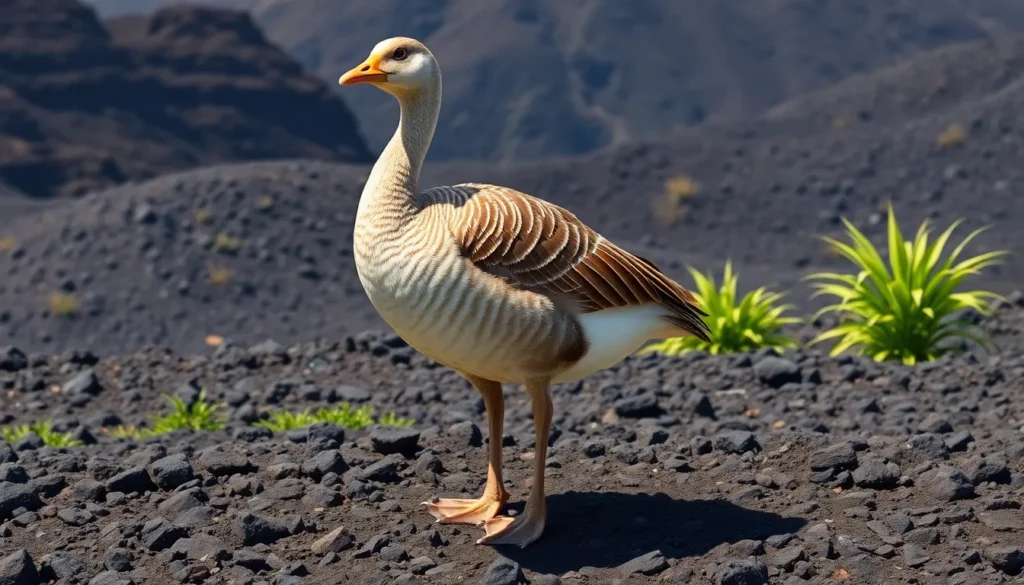
- Distinctive Features: Unlike many geese, the Nene has reduced webbing on its feet, aiding terrestrial movement on rough volcanic terrain.
- Medium Size: Adult Nene measure about 41 to 45 cm (16 to 18 inches) in length with a wingspan of approximately 90 to 110 cm (35 to 43 inches).
- Plumage: The Nene has a brownish-gray body with black head and face markings and distinctive buff-colored cheeks.
- Diet: Its diet consists mainly of native grasses, berries, leaves, and seeds found in its habitat.
- Behavior: Nene are primarily terrestrial but capable of flight; they forage on land and nest in shrubs or lava flows.
- Breeding Season: Breeding occurs mainly from February to July with nests on the ground concealed in vegetation.
- Clutch Size: Typically lays 2 to 5 eggs per clutch, with both parents involved in incubation and chick rearing.
- Vocalizations: Nene produce a distinctive honking call used for communication, especially during mating and territorial displays.
- Population Decline: The species experienced severe population decline in the 20th century due to habitat loss and introduced predators.
- Conservation Status: Currently classified as Vulnerable on the IUCN Red List.
- Recovery Efforts: Conservation programs including captive breeding and predator control have helped increase Nene populations.
- Flight Ability: While capable of flight, Nene are often reluctant to fly and prefer to walk or run on land.
- Lifespan: In the wild, Nene can live up to 10 to 20 years.
- Predators: Natural predators include mongooses, feral cats, and rats introduced to the islands.
- Cultural Significance: The Nene holds symbolic value for Native Hawaiians and is celebrated in folklore and art.
- Unique Adaptation: The reduction of webbing on their feet is an adaptation to the volcanic and rocky terrain of Hawaii.
- Ecological Role: As herbivores, Nene contribute to seed dispersal and maintaining native plant communities.
Habitat and Behavior
The Nene inhabits a variety of volcanic landscapes across the Hawaiian Islands, from coastal dunes to high-altitude grasslands and shrublands. It is well-adapted to dry, open areas with scattered vegetation. Unlike many waterfowl, Nene spend much of their time on land rather than water. Their reduced foot webbing facilitates walking on rugged lava flows and grassy terrain. Nene are generally monogamous and territorial during the breeding season. They forage during the day, feeding on leaves, seeds, fruits, and flowers of native plants. Nene build nests hidden among shrubs or lava crevices, and both parents care for their young. Though capable of flight, they often prefer to escape threats on foot or by hiding.
Why This Animal Matters
The Nene plays an important ecological role in the Hawaiian Islands by aiding seed dispersal and helping to maintain healthy native vegetation. Its survival is also of cultural importance to Native Hawaiians, symbolizing the unique natural heritage of the islands. Conservation efforts to protect the Nene highlight the challenges of managing island ecosystems affected by introduced species and habitat alteration. The successful recovery programs serve as a model for protecting other endangered island species. Additionally, the Nene’s story raises awareness about the impacts of human activity on fragile ecosystems and the importance of biodiversity preservation.
Common Misconceptions
Misconception: The Nene is a waterfowl that spends most of its time in ponds or lakes.
Correction: Unlike many geese, the Nene spends most of its time on land and is adapted to terrestrial habitats with limited association with open water.
Misconception: The Nene is widespread across all Hawaiian Islands.
Correction: While historically found on multiple islands, current populations are mostly limited to the Big Island, Maui, and Kauai due to habitat loss and other threats.
Misconception: The Nene is abundant and not at risk of extinction.
Correction: The Nene was once critically endangered and remains vulnerable, requiring ongoing conservation efforts to maintain and grow its populations.
Misconception: The Nene evolved in isolation without relation to other geese.
Correction: The Nene evolved from ancestral Canada geese that colonized Hawaii and adapted over hundreds of thousands of years to island conditions.
FAQ
What is the Nene?
The Nene, or Hawaiian goose, is a species of goose endemic to the Hawaiian Islands and known for being the rarest goose in the world.
Why is the Nene important to Hawaii?
The Nene is Hawaii's state bird and plays a vital ecological role in seed dispersal and maintaining native vegetation. It is also culturally significant to Native Hawaiians.
What threats does the Nene face?
The Nene faces threats from habitat loss, introduced predators such as mongooses and feral cats, and environmental changes, which have caused population declines.


Leave a Reply