
Short Answer
21 Facts About Irrawaddy Dolphins
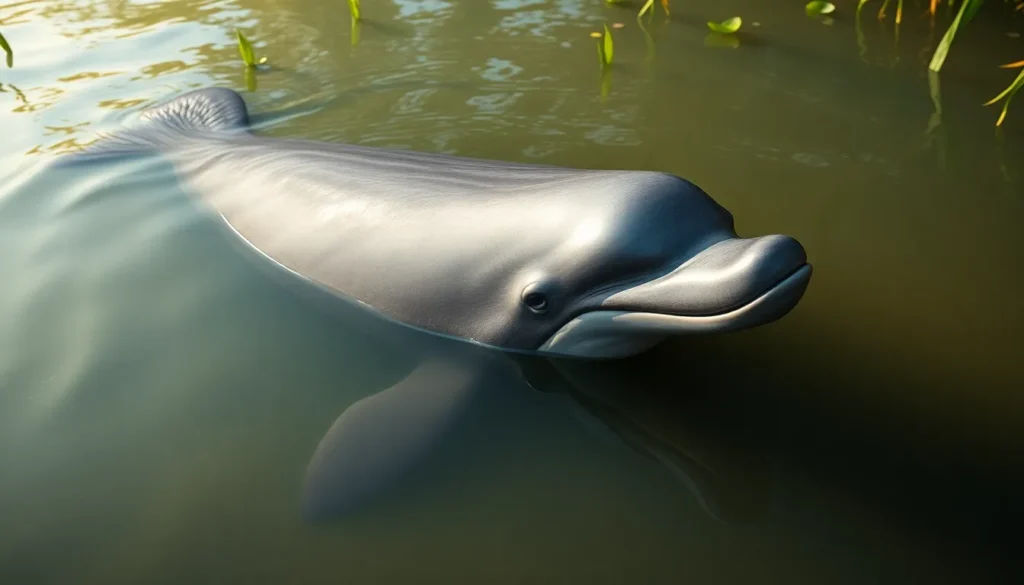
- Distinctive Appearance: Irrawaddy dolphins have a rounded head with no beak and a short, blunt snout, which sets them apart from typical dolphin species.
- Scientific Classification: They belong to the family Delphinidae but are classified in their own genus, Orcaella.
- Distribution: These dolphins are found primarily in Southeast Asia, inhabiting coastal areas, estuaries, and rivers.
- Freshwater Populations: Some groups live exclusively in freshwater habitats such as the Mekong River and the Ayeyarwady River.
- Size: Adult Irrawaddy dolphins typically measure between 2 to 2.75 meters (6.5 to 9 feet) in length.
- Coloration: Their coloration ranges from bluish-gray to black on the back with a lighter underside, aiding in camouflage.
- Behavior: They are generally shy but can be curious around boats and humans.
- Feeding Habits: Their diet consists mainly of fish, cephalopods, and crustaceans, which they hunt using echolocation.
- Social Structure: Irrawaddy dolphins are often seen alone or in small groups of 2 to 7 individuals.
- Reproduction: Females give birth to a single calf after a gestation period of about 14 months.
- Longevity: They can live up to 30 years in the wild.
- Communication: They use a variety of clicks and whistles for echolocation and social interaction.
- Conservation Status: Classified as Vulnerable by the IUCN, their populations are declining due to habitat loss and fishing activities.
- Threats: Major threats include bycatch in fishing gear, habitat degradation, and water pollution.
- Ecological Role: As mid-level predators, they help maintain healthy fish populations and aquatic ecosystems.
- Cultural Significance: In some local cultures, these dolphins are considered sacred or symbols of good luck.
- Unique Echolocation: Unlike other dolphins, they produce echolocation sounds at lower frequencies suited to murky river waters.
- Limited Jumping: Irrawaddy dolphins rarely leap out of water compared to other dolphin species.
- Adaptations: They have adapted to both freshwater and marine environments, showcasing ecological versatility.
- Research Importance: They are indicators of freshwater ecosystem health and are subjects of conservation biology studies.
- Population Estimates: Some populations, like those in the Mekong, number fewer than 100 individuals, highlighting their vulnerability.
Habitat and Behavior
Irrawaddy dolphins inhabit a variety of aquatic environments, including shallow coastal waters, estuaries, and freshwater river systems in Southeast Asia. They are found in countries such as Myanmar, Cambodia, Laos, Thailand, and parts of Indonesia and the Philippines. Their preference for calm, murky waters distinguishes them from many oceanic dolphin species. Behaviorally, Irrawaddy dolphins are generally shy and elusive, often avoiding large vessels and human activity. However, they may display curiosity toward small boats, especially in regions where they are accustomed to fishermen. They are opportunistic feeders, using echolocation to locate fish and other prey in turbid waters. Socially, they tend to form small groups but sometimes travel alone. Their reproductive strategies include a long gestation period and a strong maternal bond with calves, contributing to slow population growth rates.
Why This Animal Matters
Irrawaddy dolphins play a significant ecological role as mid-level predators in their aquatic ecosystems, helping to maintain balanced fish populations and overall ecosystem health. Their presence indicates healthy freshwater and coastal habitats, making them important bioindicators for environmental monitoring. Culturally, in some Southeast Asian communities, Irrawaddy dolphins are revered and hold symbolic value, fostering local conservation interest. Unfortunately, their populations are under threat from human activities, including fishing practices and habitat destruction. Protecting Irrawaddy dolphins contributes to the preservation of biodiversity and the sustainable management of freshwater and coastal resources in the region.
Common Misconceptions
Misconception: Irrawaddy dolphins are the same as oceanic dolphins.
Correction: Although part of the dolphin family, Irrawaddy dolphins have distinct physical features and behaviors, and many populations live in freshwater environments, unlike most oceanic dolphins.

Misconception: They frequently perform acrobatic jumps like other dolphins.
Correction: Irrawaddy dolphins rarely leap out of the water, which is unlike many other dolphin species known for acrobatics.
Misconception: Irrawaddy dolphins are abundant and not at risk.
Correction: Many populations are small and declining, with some groups numbering fewer than 100 individuals, warranting conservation concern.
Misconception: They only live in marine environments.
Correction: Irrawaddy dolphins inhabit both marine and freshwater systems, with some populations adapted exclusively to riverine habitats.
Misconception: They are aggressive toward humans.
Correction: Irrawaddy dolphins are generally shy and avoid humans, showing curiosity but not aggression.
FAQ
Where do Irrawaddy dolphins live?
Irrawaddy dolphins are found in coastal waters, estuaries, and freshwater rivers of Southeast Asia, including the Mekong and Ayeyarwady Rivers.
What do Irrawaddy dolphins eat?
They primarily feed on fish, cephalopods, and crustaceans, using echolocation to locate prey in murky waters.
Are Irrawaddy dolphins endangered?
Irrawaddy dolphins are classified as Vulnerable by the IUCN due to threats like habitat destruction, fishing bycatch, and pollution, with some populations critically low in numbers.





Leave a Reply