
Short Answer
21 Facts About Uakaris
- Distinctive Facial Coloration
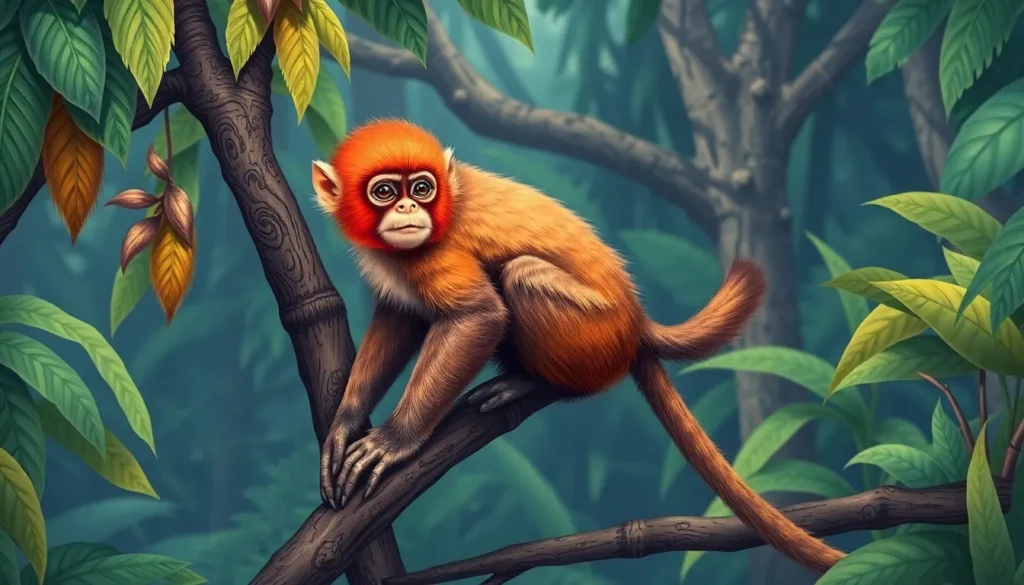
Uakaris are notable for their bright red facial skin, which becomes more vivid when the animal is healthy, serving as a visual health indicator to others. - Short Tail
Unlike many other New World monkeys, uakaris have very short tails, which are not prehensile. - Species Diversity
There are several species of uakaris, including the bald uakari (Cacajao calvus) and the black-headed uakari (Cacajao melanocephalus). - Habitat Preference
Uakaris predominantly inhabit seasonally flooded forests and riverine environments in the Amazon basin. - Diet Composition
Their diet mainly consists of fruits, seeds, and nuts, but they also consume flowers and small invertebrates. - Group Dynamics
Uakaris live in social groups that can vary in size but often include several dozen individuals. - Communication
These primates use vocalizations, facial expressions, and body language to communicate within their groups. - Reproduction
Females usually give birth to a single offspring after a gestation period of around five to six months. - Locomotion Style
Uakaris are arboreal and skilled leapers, moving rapidly through the forest canopy using powerful hind limbs. - Conservation Status
Some species of uakaris are considered vulnerable or endangered due to habitat loss and hunting pressures. - Role in Seed Dispersal
By consuming and excreting seeds, uakaris contribute to forest regeneration and plant diversity. - Red Face Significance
The bright red facial skin is linked to blood flow and health; pale faces may indicate illness or stress. - Limited Geographic Range
Uakaris are endemic to the western Amazon region, including parts of Brazil, Peru, and Colombia. - Adaptations to Flooded Forests
They are adapted to living in areas that flood seasonally, exploiting fruit resources that become available during these periods. - Social Grooming
Grooming is an important social activity among uakaris, helping to strengthen group bonds. - Predator Awareness
Uakaris are vigilant and rely on alarm calls to warn group members of predators such as birds of prey and large snakes. - Sexual Dimorphism
Males are generally larger than females and may display more vivid facial coloration. - Scientific Interest
Uakaris have been studied for insights into primate evolution, social behavior, and ecological adaptations. - Threats from Human Activities
Deforestation, habitat fragmentation, and hunting pose ongoing threats to uakari populations. - Limited Tail Use
Unlike some primates, uakaris do not use their tails for gripping or balance, relying more on their limbs. - Longevity
In the wild, uakaris can live for approximately 15 years, though data on longevity is limited.
Habitat and Behavior
Uakaris inhabit the flooded and non-flooded tropical forests of the Amazon basin, especially in regions with dense riverine vegetation. They are arboreal primates that spend most of their life in the forest canopy, where they move by leaping from branch to branch. Their social groups can range from small family units to larger aggregations, providing protection and social interaction. These monkeys are primarily frugivorous but have a varied diet that includes seeds, flowers, and occasionally insects. They are active during the day and rely on vocalizations and facial expressions to communicate. Seasonal flooding influences food availability, and uakaris have adapted their foraging behavior accordingly.
Why This Animal Matters
Uakaris play a vital ecological role as seed dispersers, helping to maintain the health and diversity of Amazonian forests. Their feeding habits assist in spreading seeds across large areas, promoting forest regeneration. Culturally, they are part of indigenous knowledge systems and local folklore in Amazonian communities. From a conservation perspective, uakaris are indicators of forest ecosystem health and biodiversity. Protecting them also helps conserve the broader Amazonian environment, which is critical for global ecological balance.
Common Misconceptions
Misconception: The red face of uakaris is due to fur or pigmentation.
Correction: The red coloration comes from exposed skin with dense blood vessels, not fur pigmentation.
Misconception: Uakaris use their tails to grasp branches like other monkeys.
Correction: Uakaris have short tails that are not prehensile and do not function as grasping limbs.
FAQ
Why do uakaris have red faces?
The red coloration of uakaris' faces is due to the presence of many blood vessels close to the skin's surface, which can indicate health status to other monkeys.
Are uakaris endangered?
Some species of uakaris are listed as vulnerable or endangered due to habitat loss and hunting, though conservation status varies among species.
Do uakaris use their tails to hold onto branches?
No, uakaris have short, non-prehensile tails that do not assist in grasping branches. They rely on their limbs for movement in the trees.


Leave a Reply