
Short Answer
21 Facts About Xenops (birds)
- Taxonomic Classification: Xenops are small birds belonging to the family Furnariidae, which includes ovenbirds and woodcreepers.
- Geographical Range: They are primarily found in Central and South America, especially in tropical and subtropical forests.
- Species Diversity: The genus Xenops contains several species, such as the Plain Xenops (Xenops minutus) and the Streaked Xenops (Xenops rutilans).
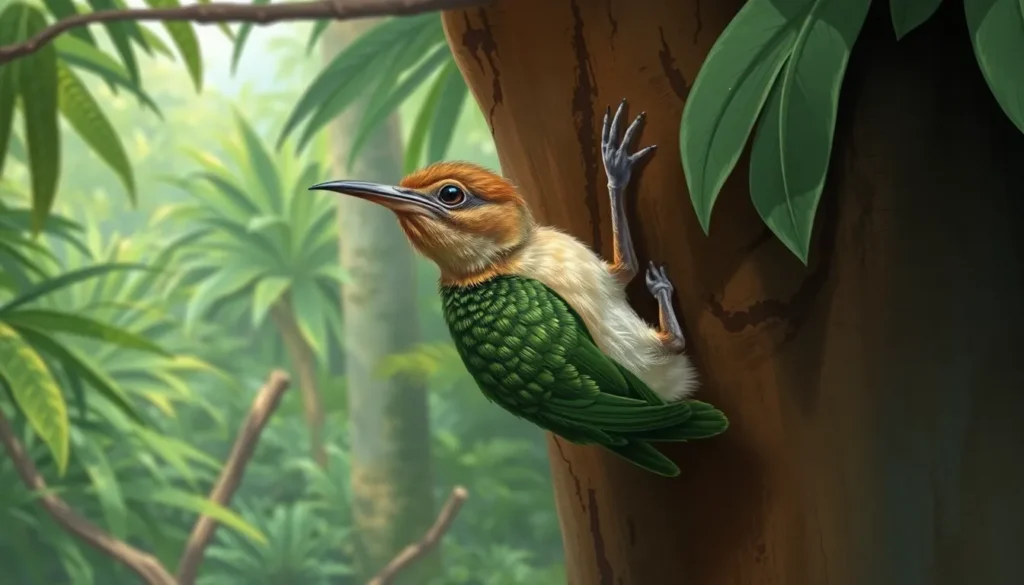
- Physical Appearance: Xenops typically have a compact body with a short tail and a distinctive upturned bill, often used for foraging.
- Foraging Behavior: Xenops are known for their unique method of extracting insects from bark and foliage by hammering and prying with their bills.
- Diet: Their diet mainly consists of insects and other small arthropods, which they find on tree trunks and branches.
- Vocalizations: They produce a variety of calls and songs that differ among species, often used for communication within dense forest environments.
- Nesting Habits: Xenops typically nest in tree cavities or crevices, sometimes using abandoned woodpecker holes.
- Reproductive Behavior: They usually lay two to three eggs per clutch, with both parents participating in incubation and feeding.
- Habitat Preference: These birds prefer humid lowland and montane forests but can sometimes be found at higher elevations.
- Social Behavior: Xenops are generally solitary or found in pairs but can sometimes join mixed-species foraging flocks.
- Adaptations: Their strong, slightly hooked bills and agile climbing abilities enable them to forage efficiently on tree surfaces.
- Conservation Status: Most Xenops species are currently not considered threatened, but habitat loss could pose future risks.
- Ecological Role: By feeding on insects, Xenops help control forest pest populations, contributing to ecosystem balance.
- Flight Pattern: They exhibit short, fluttering flights between trees, spending most of their time clinging to trunks and branches.
- Research Interest: Their specialized feeding behavior attracts ornithologists studying niche differentiation among forest birds.
- Camouflage: Their plumage often blends well with tree bark, providing protection from predators.
- Size: Xenops are small birds, generally measuring around 10 to 12 centimeters in length.
- Lifespan: Detailed lifespan data is limited, but small passerines like Xenops typically live several years in the wild.
- Migration: Xenops species are mostly resident birds, not known to undertake long-distance migrations.
- Scientific Studies: Studies on Xenops contribute to understanding avian foraging strategies and forest biodiversity.
Habitat and Behavior
Xenops inhabit tropical and subtropical forests across Central and South America, ranging from lowland rainforests to montane cloud forests. These birds are often found on tree trunks and branches, where they forage for insects by pecking, hammering, and prying under the bark. Their behavior is characterized by agility and persistence, as they move vertically and horizontally along tree surfaces. During foraging, they often join mixed-species flocks, which can improve feeding efficiency and predator detection. While generally solitary or in pairs, Xenops rely on their cryptic plumage and quiet movements to avoid predators. Their nesting habits involve using natural cavities or abandoned holes, where they lay small clutches of eggs and share parental duties. Xenops tend to remain within their territories year-round, showing little to no migratory behavior.
Why This Animal Matters
Xenops play an important ecological role by controlling insect populations in forest ecosystems. Their specialized feeding techniques help reduce infestations of wood-boring insects and other arthropods that could otherwise damage trees. This contributes to forest health and biodiversity. Moreover, Xenops serve as indicators of forest integrity because their presence often reflects a well-preserved habitat. From a scientific perspective, studying Xenops enhances understanding of niche specialization and avian adaptive strategies in Neotropical forests. Although not currently endangered, habitat destruction poses potential threats, making conservation awareness important for maintaining their populations and the ecosystems they support.
Common Misconceptions
Misconception: Xenops are closely related to woodpeckers.
Correction: While Xenops share some foraging behaviors with woodpeckers, they belong to the Furnariidae family, not the woodpecker family Picidae.
Misconception: Xenops are migratory birds.
Correction: Most Xenops species are resident birds that do not undertake long-distance migrations.
Misconception: Xenops damage trees by pecking.
Correction: Their foraging typically causes minimal harm; they mainly remove insects and do not create large holes like woodpeckers.
FAQ
What distinguishes Xenops from woodpeckers?
Xenops differ from woodpeckers taxonomically as they belong to the Furnariidae family, not Picidae. They have a different bill shape and use distinct foraging methods, typically not creating large holes in trees.
Do Xenops migrate seasonally?
Most Xenops species are resident birds and do not undertake seasonal migrations, remaining within their forest habitats year-round.
How do Xenops contribute to forest ecosystems?
By feeding on insects and arthropods found on tree surfaces, Xenops help control pest populations, aiding in the maintenance of forest health and biodiversity.




Leave a Reply