
Short Answer
When one thinks of the avian wonders that inhabit the North American prairies, the Lark Bunting stands out not only for its striking appearance but also its captivating behaviors and ecological significance. Officially designated as the state bird of Colorado, this fascinating bird has a multitude of characteristics that merit exploration. Here, we delve into ten intriguing facts about the Lark Bunting that promise to expand your understanding and appreciation of this remarkable species.
1. Remarkable Sexual Dimorphism
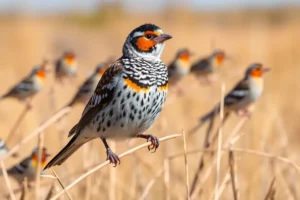
One of the most striking features of the Lark Bunting is its sexual dimorphism. Males and females exhibit drastically different plumage, particularly during the breeding season. Male Lark Buntings don a breathtaking black coat with white wing patches, rendering them an exquisite sight against the golden hues of late summer fields. In stark contrast, females sport a more subdued brownish coloration that serves as camouflage, allowing them to blend seamlessly into their prairie surroundings, especially when nesting.
2. Unique Territorial Displays
The Lark Bunting is renowned for its remarkable courtship displays, which are an enthralling spectacle to observe. Males engage in a dazzling aerial display, soaring high before descending and emitting a melodious serenade. This performance, marked by intricate dives and ascents, serves two purposes: establishing territory and attracting potential mates. Such aerial theatrics are not merely instinctual; they are a choreographed dance of dominance, rooted deep in the bird’s evolutionary history.
3. A Prairie Accomplished Singer
When it comes to avian songsters, the Lark Bunting stands as a formidable competitor. Its vocalizations are a symphony of trills and whistles, characterized by a rich, varied timbre that resonates across the vast, open landscapes. These songs play a pivotal role not only in mate attraction but also in establishing a hierarchy among competing males. The complexity and variation in their songs reflect individual health and genetic quality, making vocal prowess a key factor in reproductive success.
4. Seasonally Migratory
Lark Buntings are not permanent residents in their habitats; they exhibit migratory behavior, traveling to warmer climates during the winter months. This seasonal shift sees them relocate from the northern Great Plains of the United States to areas in Mexico, showcasing their adaptability to fluctuating climates. Observing these birds during migration is truly a testament to their resilience and navigational skills, as they undertake long journeys to secure favorable breeding conditions.
5. Nesting Behavior
A marvel of architectural design, the Lark Bunting’s nest is meticulously crafted. Usually nestled close to the ground in dense grasses, these locations provide both protection and accessibility for feeding. Females are primarily responsible for constructing the nest, which is built using a variety of materials, including grasses, plant fibers, and occasionally feathers. Once the nest is complete, the female will lay a clutch of eggs, typically ranging from three to six, ensuring that the next generation of this stunning bird continues to thrive.
6. A Diet of Diversity
The Lark Bunting is primarily granivorous, with a preference for seeds, particularly those from grasses and weeds. However, their diet is not limited to plant matter; they also consume insects during the breeding season to provide crucial protein for their growing young. This dietary versatility not only aids their survival but also positions them as important players within their ecological niche, contributing to seed dispersion and insect population control.
7. Influential Role in Grassland Ecosystems
As a resident of the grasslands, the Lark Bunting performs several vital ecological roles. Their foraging activities help maintain the health of prairie ecosystems by controlling insect populations and facilitating seed distribution. Moreover, their presence in these habitats serves as an indicator of ecosystem health; fluctuations in Lark Bunting populations can signal changes in the environment, prompting conservation efforts and habitat management strategies.
8. Cultural Significance
The Lark Bunting holds cultural significance beyond its ecological role. It has been embraced as a symbol of the American West, representing the natural beauty and untamed spirit of the prairies. Its designation as the state bird of Colorado reflects the deep connection between this avian species and the identity of those who inhabit the region. Stories and folklore surrounding the Lark Bunting enrich its status, making it a beloved emblem of nature in the expansive landscapes it calls home.
9. Conservation Status
Despite its resilience, the Lark Bunting faces numerous threats, primarily due to habitat loss from agricultural expansion and urban development. Grassland ecosystems are increasingly fragmented, compromising the delicate balance required for their survival. Conservation efforts are critical to maintaining viable populations of this species, emphasizing the importance of protecting their natural habitats and raising awareness about the ecological importance of the plains.
10. A Bird of Many Mysteries
While much has been discovered about the Lark Bunting, there is still a plethora of unknowns. Researchers continue to study their migratory patterns, social behaviors, and responses to environmental changes. Each observation expands the tapestry of knowledge surrounding this alluring bird, inviting curiosity and encouraging deeper exploration of the intricate relationships that define our natural world.
In wrapping up this exploration of the Lark Bunting, one is left with a sense of wonder about these remarkable avians. It is through their fascinating behaviors, environmental roles, and cultural significance that the Lark Bunting emerges not merely as a state bird but as a symbol of the rich, interconnected web of life flourishing across North America’s prairies. Whether you are an avid birdwatcher, a curious naturalist, or simply someone drawn to the intricacies of nature, the Lark Bunting promises to captivate and inspire awe in the hearts of all who encounter it.
FAQ
What is the Lark Bunting?
The Lark Bunting is a migratory bird and the state bird of Colorado, known for its striking sexual dimorphism and unique behaviors.
What does the Lark Bunting eat?
Lark Buntings primarily eat seeds, particularly from grasses, but also consume insects during the breeding season.
What is the conservation status of the Lark Bunting?
The Lark Bunting faces threats from habitat loss due to agricultural and urban development, making conservation efforts vital.



Leave a Reply