
Short Answer
In the grand theater of nature, where remarkable narratives unfold beneath the canopy of life, animals take center stage in ways that both mystify and enchant. Each creature, from the majestic to the minuscule, possesses traits that astound and baffle us. This collection of “do-you-know” facts reveals the astonishing intricacies of the animal kingdom, rendering you an avid explorer of the natural world. Let’s dive into the extraordinary aspects of these beings that share our planet, igniting your curiosity and appreciation for the wonders of wildlife.
1. The Tardigrades: Nature’s Resilient Wonder
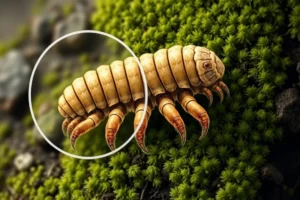
Tardigrades, also known as water bears, can withstand extreme conditions that would obliterate most life forms. These minuscule marvels can survive in the vacuum of space, intense radiation, and extreme temperatures ranging from near absolute zero to scorching heat above boiling water. Their secret? A unique protein, trehalose, which protects their cells, akin to an ethereal shield absorbing the harshness of their environments.
2. The Immortal Jellyfish: A Biological Riddle
The Turritopsis dohrnii, or the immortal jellyfish, possesses a remarkable ability to revert to its juvenile form after maturing, essentially allowing it to escape the clutches of death. This process, known as transdifferentiation, resembles a phoenix rising from the ashes, presenting a puzzling challenge for biologists: could we hold the key to eternal youth within the depths of its gelatinous being?
3. The Sloth: The Slow-Motion Marvel
While sloths may seem languid, their deliberate nature conceals a fascinating adaptation. Their slow metabolism allows them to survive on a diet of leaves and fruit, which provides minimal energy. This deliberate and tranquil lifestyle is reminiscent of a meditative state, an art form of survival in a fast-paced world.
4. The Cuttlefish: Nature’s Chameleon
Cuttlefish possess an extraordinary capacity for color change, akin to living watercolor paintings. Utilizing specialized skin cells called chromatophores, they can shift hues and patterns in an instant, enabling them to communicate, camouflage, or court potential mates. Their mastery of disguise seems to echo the fluidity of emotions within human interactions.
5. The Axolotl: The Regenerative Enigma
Known as the Mexican walking fish, the axolotl defies the limitations of regeneration. Unlike most species, it can regrow lost limbs, parts of its heart, and even sections of its brain. This astounding capacity mirrors the resilience found within the human spirit, reminding us of the potential for recovery and renewal.
6. The Elephant: An Eloquent Memory
Elephants are revered not only for their imposing size but also for their extraordinary memory. This intelligence is critical for their survival; they can traverse vast distances, recalling lush feeding grounds and water sources that sustain them through seasons of drought. Their memories echo the stories of generations past, woven into the fabric of their social structures.
7. The Dolphin: The Aquatic Intellectuals
Dolphins, often hailed as the geniuses of the sea, exhibit a complex repertoire of communication and social structures. They employ intricate vocalizations, including clicks and whistles, and can even recognize themselves in mirrors, showcasing cognitive abilities that rival those of primates. This reflects a profound emotional intelligence, hinting at the possibility of shared consciousness across species.
8. The Pistol Shrimp: Nature’s Sound Cannon
The Atlantic pistol shrimp possesses a claw that produces a sound wave louder than a gunshot, creating bubbles that collapse to generate a ferocious snap. This phenomenon not only stuns prey but also serves as a mechanism for communication and defense, revealing the shrimp as an auditory artist within its aquatic realm.
9. The Platypus: The Curious Conundrum
The platypus is a beguiling amalgamation of features from various species, including a bill resembling a duck, fur akin to an otter, and webbed feet like a beaver. Mammal by classification, it lays eggs, an anomaly that continues to perplex scientists. Nature’s whimsical craftsmanship is embodied in this enchanting creature, serving as a reminder of life’s boundless creativity.
10. The Arctic Tern: The Migratory Mavens
The Arctic tern boasts the longest migratory journey of any animal, traveling an astounding 44,000 miles annually from its breeding grounds in the Arctic to wintering spots in the Antarctic. This expedition, akin to an epic saga across vast oceans, showcases the bird’s relentless spirit and unparalleled endurance, a testament to nature’s marvels.
11. The Seahorse: The Gender-Reversed Caretaker
In a captivating departure from traditional roles, male seahorses assume the responsibility of pregnancy, carrying the developing young in a specialized pouch. This fascinating dynamic challenges stereotypes of parenting in the animal kingdom, offering a metaphorical glimpse into the complexities of gender roles and familial bonds.
12. The Wood Frog: The Frosty Resurrector
The wood frog has the extraordinary capability to survive being frozen solid during winter months. It enters a state of suspended animation, with ice crystals forming within its tissues without causing damage. This miraculous adaptation highlights the resilience of life, often thriving in the unlikeliest of conditions.
13. The Chameleon’s Vision: A 360-Degree World
Chameleons possess an unparalleled vision system, allowing them to pivot their eyes independently and see in all directions simultaneously. This heightened perception assists in spotting predators and prey, an elegant adaptation that reflects the intricate balance of survival in their vibrant ecosystems.
14. The Honeybee: Nature’s Communicative Dancers
Honeybees communicate through a complex dance language, conveying the location of food sources to their hive mates. This sophisticated method of information exchange is reminiscent of a choreographed ballet, underscoring the importance of collaboration in their industrious society and the interdependence found in the natural world.
15. The Blue Whale: The Majestic Giant
As the largest animal known to have ever existed, the blue whale can weigh as much as 200 tons and grow longer than a basketball court. Their heart alone is the size of a small car. Despite their immense size, these gentle giants feast on tiny krill, proving that even the grandest of beings can thrive on the smallest of things.
In conclusion, the animal kingdom is a kaleidoscopic tapestry of extraordinary phenomena and adaptations that continue to inspire awe and wonder. From the resilience of the tardigrades to the intricacies of the dolphin’s social structures, these facts illuminate the complexity and beauty of life on Earth. Each revelation serves as a reminder of our interconnectedness with nature and the endless stories waiting to be uncovered in the wild. As we journey through the remarkable realms of these creatures, may our fascination with their unique narratives propel our commitment to preserving the diverse ecosystems that sustain us all.
FAQ
What is the most unique feature of the immortal jellyfish?
The immortal jellyfish can revert to its juvenile form after maturing, allowing it to escape death.
How do elephants use their memory?
Elephants utilize their extraordinary memory to recall feeding grounds and water sources, essential for their survival.
Leave a Reply