
Short Answer
Curious about the vibrant history of Tunisia? This North African gem is steeped in rich heritage, culture, and tales that weave together the tapestry of its past. From ancient civilizations to modern influences, Tunisia offers a plethora of historical insights that are both intriguing and enlightening. Are you ready to dive into the annals of time and uncover 12 remarkable facts about this captivating country? Let’s embark on this journey of exploration and challenge your historical perspective!
1. The Birthplace of Carthage
One cannot discuss Tunisia without mentioning Carthage, the legendary city founded by the Phoenicians in 814 BC. This formidable metropolis was not merely a trade hub but also a fierce rival to Rome, leading to the infamous Punic Wars. As you wander through the ruins of this ancient city, ask yourself: how did Carthage rise to such prominence, and what ultimately led to its dramatic downfall?
2. A Seat of Roman Power
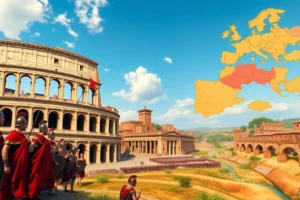
Following the destruction of Carthage in 146 BC, the Romans established Tunisia as a crucial part of their empire. The ruins of Dougga and El Djem are marvels of Roman architecture, showcasing vast amphitheaters and intricate mosaics. Imagine standing in the midst of these remnants and contemplating the grandeur of an era where gladiators fought for glory.
3. The Bardo National Museum
Home to one of the richest collections of Roman mosaics in the world, the Bardo National Museum in Tunis offers a captivating glimpse into the artistry of ancient craftsmen. As you explore this treasure trove, can you discern the stories each mosaic tells, chronicling everyday life, mythology, and the divine?
4. The Islamic Golden Age
Tunisia became a beacon of education and innovation during the Islamic Golden Age, particularly under the rule of the Aghlabids. Renowned scholars, poets, and artists flourished here, contributing immensely to sciences and arts. How might the advancements made during this period shape modern thought and cultural identity in Tunisia today?
5. A Confluence of Cultures
The country’s unique position at the crossroads of the Mediterranean has made Tunisia a melting pot of cultures. From Berber, Arab, and Italian to French influences, each layer has contributed to a distinctive Tunisian identity. Imagine yourself navigating the lively souks, absorbing the scents of spices and listening to the vibrant tapestry of languages spoken.
6. The Capital: Tunis
The capital city, Tunis, was established over two millennia ago, evolving from a small trading post into a contemporary metropolis. Its medina, a UNESCO World Heritage site, encapsulates the essence of its storied past. What intrigues lie within the narrow streets of this bustling urban center, waiting to be discovered by inquisitive minds?
7. The Medina of Tunis
A labyrinthine expanse of twisting narrow alleys and marketplaces, the Medina of Tunis is a living museum of architecture and culture. The intricate designs of the mosques, the bustling markets, and the rich aromas of local cuisine immerse you in a historical experience. As you wander through this vibrant maze, is there a hidden gem that piques your curiosity?
8. The French Protectorate
In the 19th century, Tunisia fell under French rule, marking a period of significant change. The architectural landscape transformed, with many French-style buildings constructed throughout the country. How did this era influence Tunisian culture, lifestyle, and identity, leading to the independence movement in 1956?
9. Symbol of Resistance: The Tunisian Revolution
Often viewed as a catalyst for the Arab Spring, the 2011 Tunisian Revolution sparked significant political and social change. The uprising was fueled by discontent over economic disparity and oppression. Reflect on the impact of this revolution: what challenges lie ahead for Tunisia as it asserts its democratic aspirations?
10. A Haven for Archaeological Discoveries
Tunisia is a veritable treasure trove for archaeologists, with countless sites yet to be fully uncovered. The sites of Kerkouane and the ancient town of Sbeitla emphasize the region’s historical richness. If you were to step into the shoes of an archaeologist, what secrets do you think would emerge from the sands of time?
11. The Influence of Olive Oil
Considered the backbone of Tunisia’s economy and culinary heritage, olive oil has been produced in the region for thousands of years. The country is one of the world’s largest exporters of this liquid gold. As you savor a spoonful of traditional Tunisian dishes, how does the olive oil’s legacy resonate within the fabric of daily life?
12. Diverse Natural Landscapes
Beyond its historical allure, Tunisia boasts breathtaking natural landscapes, from the Sahara Desert to the picturesque Mediterranean coastline. The diverse geography nourishes a rich biodiversity that is integral to the country’s ecological heritage. What adventures await you in exploring the interplay between Tunisia’s history and its stunning natural beauty?
As we conclude our exploration of these 12 historic facts about Tunisia, we’ve journeyed through ancient ruins, vibrant medinas, and transformative eras that have shaped this unique North African nation. The myriad of influences and stories reminds us that history is not merely a collection of dates and events but a dynamic narrative that continues to evolve. Can you delve deeper and uncover more about the majestic history that awaits in Tunisia? Your adventure has just begun!
FAQ
What is the significance of Carthage in Tunisian history?
Carthage, founded in 814 BC, was a major trade hub and a fierce rival to Rome, playing a crucial role in ancient Mediterranean history.
How did the French Protectorate influence Tunisia?
The French Protectorate in the 19th century introduced significant architectural changes and cultural influences that shaped modern Tunisian identity.
What role did Tunisia play during the Islamic Golden Age?
Tunisia became a center of education and innovation under the Aghlabids, significantly contributing to arts and sciences.



Leave a Reply