
Short Answer
The phenomenon of ghosts has tantalized the human imagination for centuries, straddling the line between science and belief. As we delve into the enigmatic world of alleged phantoms, we might ask: are ghosts merely figments of our imagination or harbingers of a reality awaiting discovery? This inquiry ignites a spirited exploration of the dichotomy between empirical evidence and personal conviction surrounding these spectral entities.
As we embark on this captivating journey, we will explore various aspects of the ghostly realm, endeavoring to disentangle myth from reality. We will look at scientific interpretations, cultural beliefs, anecdotal experiences, and the psychological underpinnings that influence our perceptions of the supernatural. Can rational explanations coexist with deeply held beliefs? With that challenge in mind, let’s explore the juxtaposition of science and belief regarding the existence of ghosts.
The Scientific Approach to Ghosts
Science, with its reliance on empirical evidence and rigorous methodology, often approaches phenomena like ghosts with skepticism. Researchers have sought to demystify sightings and experiences through various lenses, leading to several intriguing insights. One of the foremost scientific endeavors has been the examination of environmental factors. For instance, infrasound—sound waves below the frequency audible to humans—has been linked to feelings of unease, chills, and even visual hallucinations. Studies suggest that exposure to such frequencies could explain some ghostly encounters attributed to supernatural forces.
Another significant aspect is the role of electromagnetic fields (EMFs). Studies have indicated that high EMF levels can lead to feelings of anxiety and dread, which might mimic the sensations associated with spirit encounters. Devices such as EMF meters are occasionally employed by paranormal investigators in a quest to substantiate claims of ghostly presences. Yet, while a correlation exists, causation remains elusive. This uncertainty begs the question: could our surroundings manipulate our perceptions of reality without any ghostly intervention?
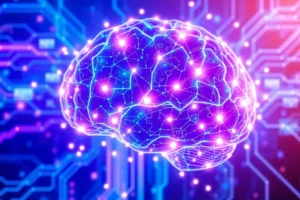
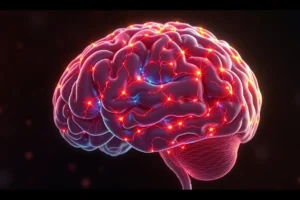
Additionally, the field of neuroscience offers enlightening perspectives. The brain’s limbic system, responsible for emotions and memory, can generate vivid memories and sensations due to factors like sleep deprivation or extreme stress. Through this lens, apparitions or ghostly experiences could be neurological phenomena—misinterpretations of cognitive dissonance rather than evidence of the afterlife. The scientific paradigm, grounded in observable phenomena, challenges the legitimacy of personal anecdotes, urging us to reconsider the foundations upon which we construct our beliefs.
Cultural Influences and Belief Systems
Contrastingly, belief in ghosts is deeply rooted in cultural narratives and traditions. Across the globe, different societies have developed rich tapestries of ghost lore, often reflecting their values and historical contexts. From the vengeful spirits of Japanese folklore to the benevolent apparitions in Western narratives, these stories highlight the diverse ways cultures encapsulate their fears, hopes, and understandings of mortality. Beliefs can shape individuals’ perceptions of the supernatural, instilling a sense of comfort or dread that science struggles to quantify.
The interplay between culture and belief is further complicated by the concept of collective consciousness. For many, being part of a community that shares ghostly tales can validate personal experiences, creating an atmosphere ripe for acceptance of the supernatural. This phenomenon illustrates how belief systems are often reinforced by social cues rather than solitary experiences, leading to a richer, albeit subjective, tapestry of ghostly encounters.
Moreover, the advent of technology has produced new platforms for sharing these beliefs. Social media fuels the dissemination of ghost stories, while reality TV series popularize the idea of ghost hunting, providing a bridge between skepticism and superstition. This dynamic relationship signifies that belief in ghosts continues to evolve, adapting to societal changes and innovations, prompting an intriguing question: In an era dominated by scientific discourse, can a belief in ghosts still hold validity?
Anecdotes and Personal Experiences
No exploration of the ghost phenomenon would be complete without delving into the realm of personal anecdotes. Countless individuals recant hair-raising tales of phantom encounters that defy logical explanations. From flickering lights to cold drafts and unexplainable voices, the raw emotional weight behind these stories creates a compelling case for the existence of ghosts. Skeptics may dismiss these experiences as mere illusions or psychological tricks, yet for those who have encountered the inexplicable, the sense of validation in sharing their stories is profound.
Such anecdotal evidence acts as a counterbalance to the stringent parameters of scientific validation. It bridges personal experience with the complexity of human perception. These narratives can evoke empathy and curiosity, inviting others to embrace the mysterious with open minds and hearts. Yet, should we embrace accounts that lack empirical substantiation, or is such acceptance fraught with the risk of perpetuating myths?
The Intersection of Belief and Science
Ultimately, the relationship between science and belief in ghosts is fraught with tension yet rich in potential for exploration. Both realms offer insights that can enhance our understanding of existence, consciousness, and the intangible dimensions of human experience. For some, embracing the unknown can be a source of comfort, while for others, it may serve as an invitation for scientific inquiry. In this complex interplay, the challenge remains: how do we navigate between the rational and the irrational, respecting the richness of human belief while pursuing the rigors of scientific discovery?
In conclusion, the discourse surrounding ghosts invites an exhilarating blend of skepticism and belief, each serving to illuminate the other in unexpected ways. Perhaps, as we ponder the essence of the supernatural, we are called to embrace the beauty found in the intersection of science and belief—a space where the known meets the unknown, conjuring intrigue and wonder beyond our conventional understanding. After all, isn’t the adventure of inquiry itself a ghostly pursuit, one that defies definition and beckons us to explore what lies beyond the veil?
FAQ
What is the scientific explanation for ghost sightings?
Scientific explanations often point to environmental factors, such as infrasound and electromagnetic fields, which can induce feelings of unease and hallucinations.
How do cultural beliefs influence perceptions of ghosts?
Cultural narratives shape individual beliefs about ghosts, reflecting societal values and historical contexts, and validating personal experiences within a community.
Can personal anecdotes about ghosts be trusted?
While personal anecdotes lack empirical support, they provide valuable insights into human perception and emotional experiences related to the supernatural.
Leave a Reply