
Short Answer
21 Facts About Zebu (Cattle)
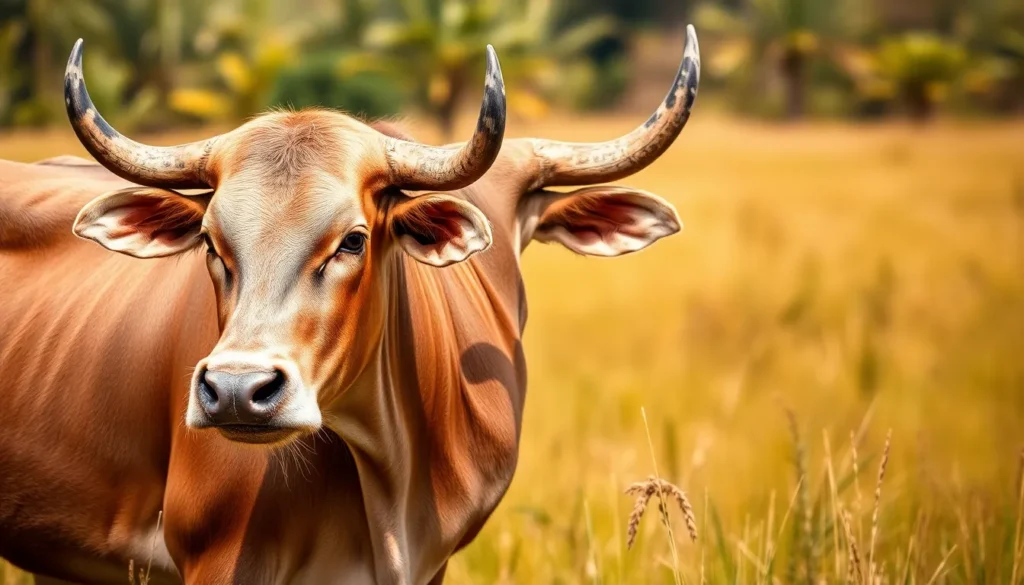
- Distinctive Hump: Zebu cattle are characterized by a prominent hump over their shoulders, which is composed of muscle and fat. This hump helps them survive in hot climates by storing energy.
- Origins: Zebu cattle, also known as Bos indicus, are believed to have originated in the Indian subcontinent thousands of years ago.
- Heat Tolerance: Their loose skin and large ears aid in dissipating heat, making them well-adapted to tropical and subtropical environments.
- Variety of Breeds: There are multiple breeds of Zebu, including Gir, Brahman, and Sahiwal, each adapted to different local conditions and uses.
- Resistance to Parasites: Compared to some taurine cattle, Zebu show greater resistance to parasites and diseases common in warm climates.
- Role in Agriculture: Zebu cattle are often used for draught work, such as plowing fields and transporting goods, due to their strength and endurance.
- Milk Production: Some Zebu breeds produce milk, though typically in lower quantities than specialized dairy taurine breeds; their milk is often richer in fat.
- Cultural Significance: In many parts of South Asia and Africa, Zebu cattle hold religious and cultural importance, often featuring in rituals and festivals.
- Hybridization: Zebu cattle have been crossbred with taurine cattle to combine heat tolerance with improved milk or meat production.
- Adaptation to Poor Nutrition: Zebu cattle can survive on low-quality forage that would be inadequate for many other cattle breeds.
- Varied Coat Colors: Their coat colors range widely, including shades of white, gray, red, and spotted patterns.
- Temperature Regulation: The sweating ability of Zebu cattle is more efficient than that of taurine cattle, aiding in temperature control.
- Hump Size Variation: The size of the hump varies among breeds and individuals, often reflecting adaptation to local environmental conditions.
- Longevity: Zebu cattle tend to have longer lifespans compared to some taurine breeds, especially in harsh climates.
- Body Size: They generally have a more compact body size compared to European cattle breeds, which contributes to heat dissipation.
- Diet Flexibility: Zebu are known to browse a wider range of plants, including tougher vegetation not usually eaten by other cattle.
- Global Distribution: While native to South Asia, Zebu cattle have spread to Africa, South America, and other tropical regions due to their hardiness.
- Genetic Studies: Genetic research has shown that Zebu cattle diverged from taurine cattle approximately 280,000 years ago, indicating a long separate evolutionary history.
- Economic Importance: In many developing countries, Zebu cattle contribute significantly to the livelihoods of smallholder farmers.
- Environmental Impact: Zebu cattle are often raised in extensive grazing systems that can have varying effects on local ecosystems, depending on management.
- Conservation Status: Although widespread, some local Zebu breeds face threats from crossbreeding and loss of traditional farming practices.
Habitat and Behavior
Zebu cattle are primarily found in tropical and subtropical regions, including India, parts of Africa, Southeast Asia, and South America. They thrive in hot, humid environments where other cattle might struggle, thanks to physiological adaptations such as their hump, loose skin, and sweating efficiency. Behaviorally, Zebu are often more resistant to heat stress and can tolerate periods of drought and poor forage availability. They are social animals, typically forming herds, and exhibit behaviors similar to other domestic cattle, including grazing and ruminating. Their ability to utilize a wide variety of vegetation types allows them to survive in diverse habitats ranging from savannas to semi-arid areas.
Why This Animal Matters
Zebu cattle play a crucial role in the agricultural systems of many tropical countries. They provide meat, milk, and draught power, supporting both subsistence and commercial farming. Their adaptability to harsh climates makes them invaluable where other cattle breeds fail. Culturally, Zebu cattle are revered in certain societies, such as in India where they are often associated with religious symbolism and traditional customs. From an ecological perspective, they influence grazing dynamics and vegetation patterns in their habitats. Conservation of indigenous Zebu breeds also preserves genetic diversity important for future livestock breeding programs, especially in the face of climate change.
Common Misconceptions
Misconception: Zebu cattle are just a type of ordinary cow with a hump.
Correction: Zebu cattle are a distinct subspecies (Bos indicus) with unique evolutionary, physiological, and genetic traits that differentiate them from taurine cattle (Bos taurus).
Misconception: Zebu cattle produce less milk than all other cattle breeds.
Correction: While many Zebu breeds produce less milk than specialized taurine dairy breeds, some Zebu breeds like the Sahiwal are known for relatively high milk yields suitable for tropical dairy farming.
Misconception: Zebu cattle cannot survive in cold climates.
Correction: Although adapted to hot climates, Zebu cattle can survive in cooler environments, especially when crossbred, though they generally perform best in warmer regions.
FAQ
What distinguishes Zebu cattle from other cattle?
Zebu cattle are distinguished by their large shoulder hump, loose skin, large ears, and adaptations to hot climates, making them distinct from taurine cattle, which are common in temperate regions.
Are Zebu cattle used for milk production?
Yes, some Zebu breeds produce milk, though generally less than specialized dairy taurine breeds. Certain breeds like Sahiwal are notable for their higher milk production in hot climates.
Where are Zebu cattle primarily found?
Zebu cattle are primarily found in South Asia, especially India, as well as parts of Africa, Southeast Asia, and South America, thriving in tropical and subtropical environments.





Leave a Reply