
Short Answer
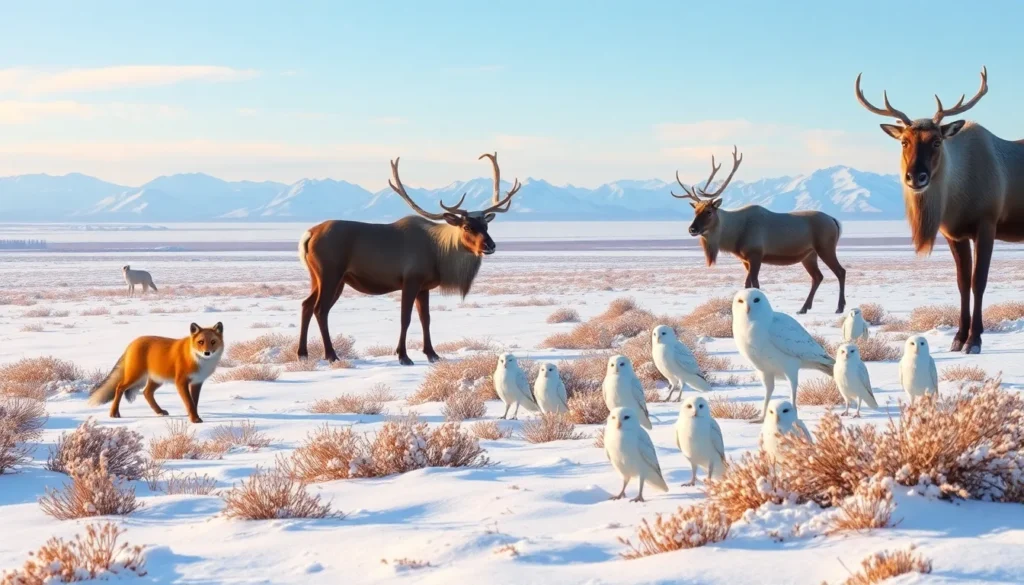
21 Facts About Tundra Animals
- Adapted to Extreme Cold
Tundra animals have thick fur, fat layers, or specialized feathers that insulate them from freezing temperatures often below -30°C. - Migratory Behavior
Many birds, such as the Arctic tern, migrate thousands of miles to and from the tundra seasonally to exploit brief summers. - Camouflage Changes Seasonally
Animals like the Arctic fox and snowshoe hare change fur color from brown in summer to white in winter to blend with snow. - Low Biodiversity
Tundra ecosystems have fewer species compared to other biomes due to harsh conditions, but those species are highly specialized. - Small Body Size with Compact Shapes
Many tundra mammals have compact bodies and short extremities to minimize heat loss, a principle known as Allen’s rule. - Slow Metabolism
To conserve energy during scarce food availability, some tundra animals lower their metabolic rates during winter months. - Hibernation and Torpor
Species such as the Arctic ground squirrel undergo hibernation or torpor to survive winter scarcity. - Herbivores Adapted to Limited Vegetation
Animals like caribou and lemmings feed on hardy tundra plants including mosses, lichens, and grasses. - Predators Are Vital
Predators such as wolves and snowy owls control herbivore populations, maintaining ecological balance. - Specialized Reproductive Strategies
Many tundra animals have rapid breeding cycles during the short summer to ensure offspring survival. - Burrowing Behavior
Small mammals like lemmings and Arctic voles burrow under snow for insulation and protection from predators. - High Fat Reserves
Marine mammals such as seals and whales possess thick blubber layers to insulate against cold ocean waters adjacent to tundra regions. - Unique Vocalizations
Some tundra species use specific calls adapted to travel across open, snowy landscapes for communication. - Climate Change Impact
Warming temperatures threaten tundra habitats, altering animal distributions and survival strategies. - Role in Indigenous Cultures
Tundra animals like reindeer are integral to the subsistence and cultural practices of Indigenous peoples. - Limited Freshwater Availability
Animals have adapted to scarce liquid water by deriving moisture from food or snow. - Short Active Periods
Tundra animals are most active during the brief summer months when food is abundant. - Migration Influences Ecosystem
Large migrations of animals such as caribou affect nutrient cycling and plant growth in tundra regions. - Birds Nest on the Ground
Many tundra birds build nests on the ground, relying on camouflage and vigilance to protect eggs. - Some Species Are Endangered
Climate change and habitat disturbance have placed species such as the polar bear at risk. - Interconnected Food Webs
The tundra food web is tightly interconnected, where changes in one species impact others significantly.
Habitat and Behavior
Tundra animals inhabit some of the coldest and most extreme environments on Earth, including Arctic tundra and alpine tundra regions. These habitats are characterized by frozen ground (permafrost), minimal tree growth, short growing seasons, and long, harsh winters. Animals in these regions have evolved behavioral and physiological adaptations such as migration, hibernation, seasonal camouflage, and fat storage to survive. Herbivores feed on mosses, lichens, and tough grasses, while predators hunt these herbivores or scavenge. Many species engage in seasonal migrations to exploit the brief summer abundance of food. Burrowing under snow or earth provides insulation, and social behaviors can help conserve heat or protect against predators.
Why This Animal Matters
Tundra animals play critical roles in their ecosystems, such as regulating plant populations, recycling nutrients, and supporting predator-prey dynamics. They contribute to the biodiversity and resilience of tundra habitats, which are sensitive indicators of climate change. Additionally, tundra species hold cultural significance for Indigenous communities who depend on them for food, clothing, and spiritual practices. Conservation of tundra animals is important for maintaining ecological balance and understanding the impacts of global environmental changes.
Common Misconceptions
Misconception: All tundra animals hibernate during winter.
Correction: While some species hibernate or enter torpor, many tundra animals remain active year-round, relying on adaptations like thick fur or fat layers to survive.
Misconception: The tundra is lifeless due to its harsh conditions.
Correction: Although biodiversity is lower than in other biomes, the tundra supports a variety of specialized plants and animals well-adapted to survive extreme cold and short growing seasons.
FAQ
How do tundra animals survive the extreme cold?
Tundra animals survive extreme cold by developing thick fur or feathers, accumulating fat reserves, changing fur color seasonally, burrowing under snow for insulation, and some hibernate or enter torpor to conserve energy.
Why is biodiversity low in the tundra?
Biodiversity is low because the harsh climate, permafrost, and short growing seasons limit the variety of plants and animals that can survive in the tundra environment.
What impact does climate change have on tundra animals?
Climate change is warming tundra regions, disrupting habitats, altering food availability, causing shifts in species distributions, and threatening species like polar bears that depend on sea ice.



Leave a Reply