

Short Answer
21 Facts About Savannah Animals
- Diverse Species Composition
Savannahs are home to a wide range of animal species including mammals, birds, reptiles, and insects, each adapted to the open grassland and scattered trees. - Lions as Apex Predators
Lions are the dominant carnivores of the savannah, often hunting in coordinated groups known as prides. - Elephants Shape the Landscape
Savannah elephants play a critical role in maintaining the ecosystem by uprooting trees and creating open grasslands. - Cheetahs’ Speed Adaptation
The cheetah is the fastest land animal, able to sprint up to 70 mph to catch swift prey in the savannah. - Giraffes’ Long Necks
Giraffes have evolved long necks to feed on leaves high in the trees, reducing competition with other herbivores. - Hyenas’ Social Structure
Spotted hyenas live in large, complex clans with strict social hierarchies and cooperative hunting techniques. - Termite Mounds as Ecosystem Engineers
Termite mounds alter soil composition and provide habitats for other species in the savannah. - Acacia Trees and Ant Symbiosis
Some acacia trees have mutualistic relationships with ants that protect them from herbivores. - Adaptations to Seasonal Changes
Many savannah animals migrate or alter behavior to survive dry and wet seasons. - Role of Vultures
Vultures are important scavengers that help recycle nutrients and prevent disease spread by consuming carcasses. - Burrowing Animals’ Importance
Animals like aardvarks and warthogs create burrows that serve as shelters for themselves and other species. - Bird Diversity
Savannahs host numerous bird species, including ground-dwellers like ostriches and raptors like secretary birds. - Herbivore Grazing Patterns
Herbivores such as zebras and wildebeests graze selectively, influencing plant community structure. - Water Dependency
Many animals depend on seasonal watering holes, which become focal points for interaction and competition. - Predator-Prey Dynamics
The balance between predators and prey in the savannah is crucial for ecosystem stability. - Use of Camouflage
Some animals, like certain antelope species, use coloration and patterns to blend with the savannah landscape. - Nocturnal Behavior
Many animals avoid daytime heat by being active at night. - Communication Methods
Animals use vocalizations, scent marking, and body language to communicate within the savannah environment. - Reproductive Strategies
Breeding seasons often coincide with resource availability to increase offspring survival. - Impact of Human Activity
Habitat loss, poaching, and climate change are significant threats to savannah animal populations. - Conservation Efforts
Protected areas and wildlife corridors aim to preserve biodiversity and maintain ecological processes in the savannah.
Habitat and Behavior
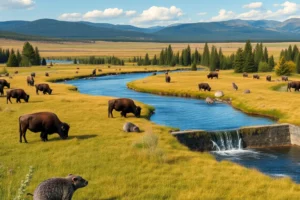
Savannah animals inhabit a biome characterized by grasslands with scattered trees, experiencing distinct wet and dry seasons. The availability of water and vegetation influences where animals live and how they behave. Many species have developed migratory behaviors to track food and water sources. Social structures vary widely, from solitary animals to large, cooperative groups. Predation, competition, and symbiotic relationships shape survival strategies. Adaptations include physical traits like speed, camouflage, and specialized feeding habits, as well as behavioral traits such as nocturnal activity and territoriality.
Why This Animal Matters
Savannah animals play essential roles in maintaining ecosystem health. Herbivores regulate plant growth and seed dispersal, while predators control prey populations, preventing overgrazing. Scavengers recycle nutrients and limit disease spread. Some species, like elephants and termites, modify the physical environment, influencing habitat availability for others. These animals also hold cultural significance for human communities and contribute to biodiversity. Conservation of savannah fauna is critical for preserving ecological balance and supporting sustainable livelihoods.
Common Misconceptions
Misconception: All savannah animals are aggressive predators.
Correction: While predators like lions and hyenas are present, many savannah animals are herbivores or non-aggressive species that rely on avoidance and camouflage rather than aggression.
Misconception: Savannah ecosystems are static and unchanging.
Correction: Savannahs are dynamic environments where seasonal changes lead to migrations, breeding cycles, and shifts in species interactions.
FAQ
What defines a savannah ecosystem?
A savannah is a mixed ecosystem characterized by open grasslands with scattered trees, experiencing distinct wet and dry seasons, supporting diverse animal and plant life.
How do savannah animals adapt to seasonal changes?
Many savannah animals migrate to find water and food during dry seasons, while others adjust their activity patterns, such as becoming nocturnal, to cope with temperature extremes.
Why are elephants important for savannah ecosystems?
Elephants act as ecosystem engineers by modifying vegetation structure, creating open habitats, and facilitating nutrient cycling, which benefits numerous other species.

Leave a Reply