
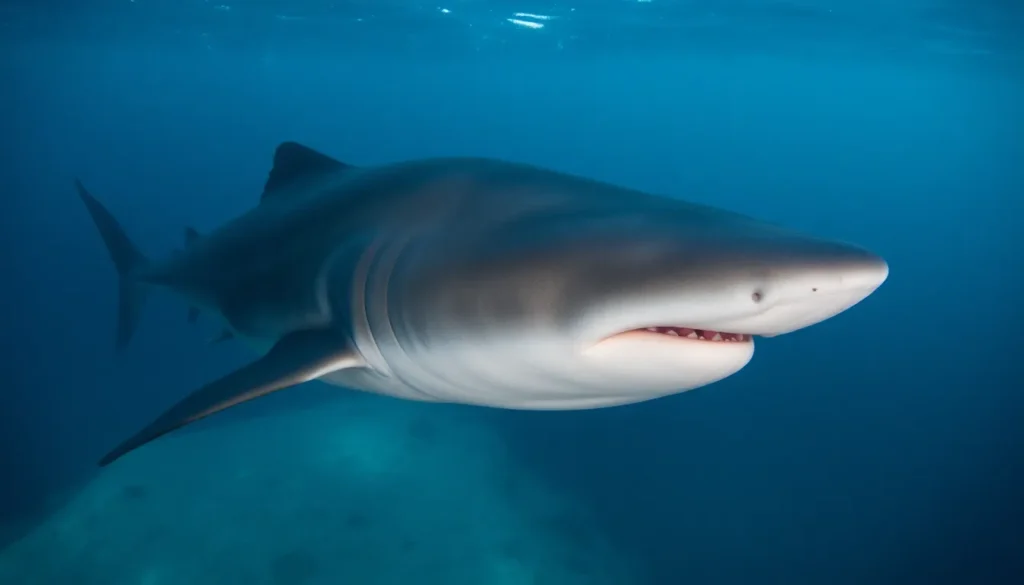
Short Answer
21 Facts About the Greenland Shark
- Exceptionally Long Lifespan: The Greenland shark can live for at least 272 years, with some estimates suggesting lifespans up to 400 years, making it the longest living vertebrate known.
- Slow Growth Rate: This shark grows extremely slowly, approximately 1 cm per year, which correlates with its extended longevity.
- Late Sexual Maturity: It reaches sexual maturity around 150 years of age, a rare trait among vertebrates.
- Cold-Water Habitat: It inhabits cold, deep waters of the North Atlantic and Arctic Oceans, which may contribute to its slow metabolism and long life.
- Large Size: Greenland sharks can grow up to 6.4 meters (21 feet) in length, making them one of the largest shark species.
- Slow Swimming Speed: They are slow swimmers, typically moving at speeds of 0.27 meters per second, likely an adaptation to conserve energy.
- Diet Includes Carcasses: Their diet is varied and includes fish, seals, and even carrion, such as whale carcasses.
- Unique Eye Parasite: Many Greenland sharks host a copepod parasite (Ommatokoita elongata) on their eyes, which may impair vision but does not appear to significantly hinder survival.
- Toxic Flesh: Their meat contains high concentrations of trimethylamine N-oxide (TMAO), making it toxic unless properly processed.
- Traditional Use: In Iceland, the meat is fermented to produce hákarl, a traditional dish despite its toxicity when fresh.
- Slow Metabolism: Their metabolic rate is very slow, which is thought to be linked to their longevity and cold environment.
- Reproductive Strategy: They are ovoviviparous, meaning eggs hatch inside the female, and pups are born live.
- Low Predation Risk: Due to their size and habitat, adult Greenland sharks have few natural predators.
- Role in Arctic Ecosystems: They are apex or near-apex predators, playing a significant role in their marine ecosystem.
- Discovery and Study Challenges: Their deep and cold habitat has made studying them difficult, contributing to gaps in knowledge.
- Age Estimation Methods: Ages are estimated using radiocarbon dating of eye lens proteins, a method that has helped reveal their extraordinary lifespan.
- Slow Reproductive Rate: Their low reproductive rate and late maturity make populations vulnerable to overfishing.
- Conservation Status: The Greenland shark is currently listed as Near Threatened by the IUCN due to potential fishing pressures and habitat changes.
- Historical Significance: The species has been known to northern indigenous peoples for centuries, often associated with cold, deep waters.
- Scientific Interest: Their longevity provides valuable insights into aging processes and adaptations to extreme environments.
- Climate Change Impact: Rising temperatures and changing Arctic environments may affect their distribution and survival in the future.
Habitat and Behavior
The Greenland shark inhabits the cold, deep waters of the North Atlantic Ocean and Arctic Ocean, typically residing at depths ranging from 200 to 600 meters, although they have been found as deep as 2,200 meters. Their environment is characterized by low temperatures, often near freezing, which supports their slow metabolism and extended lifespan. Behaviorally, they are solitary and slow-moving predators or scavengers, feeding on a variety of prey including fish, seals, and carrion. Their slow swimming pace and low energy requirements suit the scarce food availability in their frigid deep-sea habitat. They exhibit ovoviviparous reproduction, giving birth to live young after the eggs hatch inside the mother. Due to their remote habitat and elusive nature, much about their behavior remains poorly understood.
Why This Animal Matters
The Greenland shark holds ecological importance as a top predator within Arctic and North Atlantic marine ecosystems, helping maintain balance by preying on various species and scavenging carcasses. Its remarkable longevity and slow aging process provide unique opportunities for scientific study into vertebrate aging, longevity, and adaptation to extreme environments. Culturally, the Greenland shark has played a role in indigenous Arctic folklore and tradition, including its use in Icelandic cuisine. Conservation-wise, understanding this species is critical because its slow growth and reproductive rates make it vulnerable to human impacts such as fishing and climate change, emphasizing the need for protective measures to ensure its survival.
Common Misconceptions
Misconception: Greenland sharks are aggressive man-eaters.
Correction: Greenland sharks are generally slow and elusive, with no confirmed attacks on humans; their diet mainly consists of fish, seals, and scavenged carrion.
Misconception: All sharks have short lifespans.
Correction: The Greenland shark is an exception, with lifespans that can exceed 400 years, far longer than most shark species.
Misconception: The eye parasite completely blinds the Greenland shark.
Correction: While the copepod parasite can impair vision, Greenland sharks likely rely on other senses and their slow movement to navigate their environment.
Misconception: Greenland shark meat is safe to eat raw.
Correction: The flesh contains toxic compounds and must be specially processed before consumption, as in traditional Icelandic preparation.
FAQ
How long do Greenland sharks live?
Greenland sharks can live for at least 272 years, with some individuals estimated to reach up to 400 years, making them the longest living vertebrates known.
Why do Greenland sharks live so long?
Their slow metabolism, cold deep-sea habitat, slow growth rate, and late sexual maturity contribute to their extraordinary lifespan.
Are Greenland sharks dangerous to humans?
There are no confirmed cases of Greenland sharks attacking humans. They are slow-moving and generally avoid people.



Leave a Reply