
Short Answer
21 Facts About Stoneflies
- Stoneflies belong to the order Plecoptera. This insect order is characterized by two pairs of membranous wings and aquatic nymphs.
- They have aquatic nymph stages that live in clean, well-oxygenated freshwater. Nymphs are important indicators of water quality due to their sensitivity to pollution.
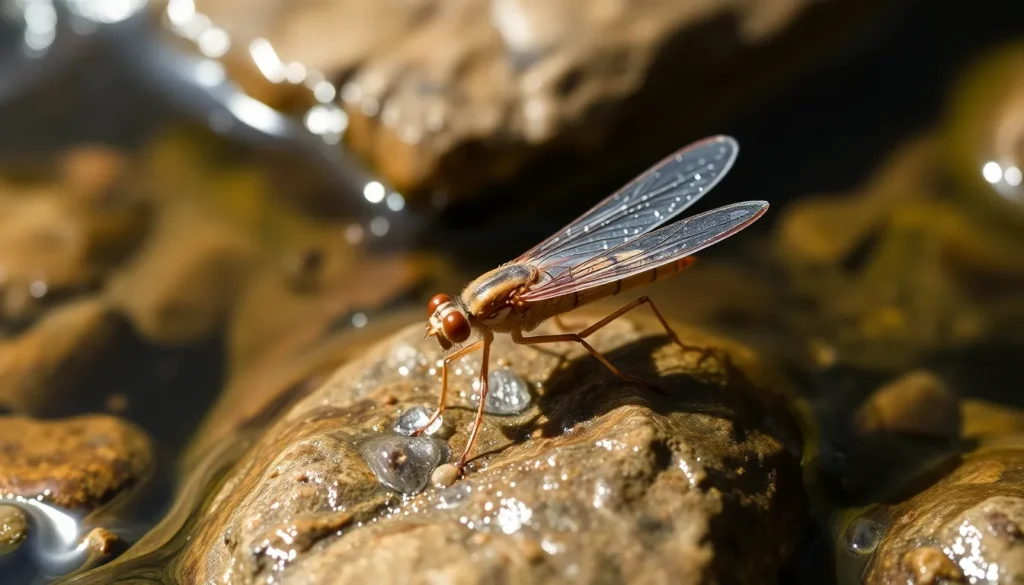
- Adult stoneflies typically have soft bodies and two pairs of wings that fold flat over their backs. Their wings are often translucent with visible veins.
- Stoneflies undergo incomplete metamorphosis. Their life cycle includes egg, nymph, and adult stages without a pupal stage.
- Most stonefly species are found in clean, cold streams and rivers. They prefer habitats with abundant dissolved oxygen and low pollution levels.
- The nymphs are primarily detritivores or predators. Some feed on decaying organic matter, while others actively hunt small aquatic invertebrates.
- Stoneflies play a significant role in freshwater food webs. They serve as prey for fish, birds, and other aquatic predators.
- Adults typically live only a few weeks. Their main purpose is reproduction, and many species do not feed as adults.
- Stoneflies have two long cerci (tail-like appendages) at the end of their abdomen. These cerci help in balance and sensory perception.
- They are often used as bioindicators in environmental monitoring. The presence of stonefly nymphs usually indicates good water quality.
- Stoneflies exhibit diverse mating behaviors. Some species communicate using drumming signals to attract mates.
- There are approximately 3,500 known stonefly species worldwide. They are most abundant in the Northern Hemisphere.
- The fossil record of stoneflies dates back to the Permian period. This shows their long evolutionary history.
- Stonefly nymphs breathe through gills located on their thorax or abdomen. These gills facilitate oxygen absorption in aquatic environments.
- Some stonefly species are indicators of glacial or spring-fed stream habitats. Their presence can signify specific water sources and conditions.
- Stoneflies are generally nocturnal or crepuscular. Adults often emerge and are active during twilight or nighttime.
- Their name “stonefly” comes from their habit of crawling on stones in streams. This behavior helps them avoid predators and strong currents.
- Stoneflies are important in fly fishing as models for artificial flies. Their nymph and adult forms are imitated to attract trout and other fish.
- Some stonefly species display parental care by guarding eggs until they hatch. This behavior is relatively rare among insects.
- Stoneflies are sensitive to environmental changes such as temperature and pollution. This sensitivity makes them vulnerable to habitat degradation and climate change.
- Conservation of stonefly habitats supports overall freshwater biodiversity. Protecting clean streams benefits multiple aquatic organisms.
Habitat and Behavior
Stoneflies inhabit clean, cold freshwater systems such as streams, rivers, and spring-fed brooks. Their nymphs require oxygen-rich water and tend to cling to rocks, submerged vegetation, or debris in fast-flowing areas. These aquatic larvae feed on organic detritus or smaller invertebrates depending on the species. The life cycle of stoneflies includes several instars during the nymph stage, which can last from several months to a few years depending on environmental conditions.
Adults emerge from the water, usually near the same stream or river, and are mostly nocturnal or active during dawn and dusk. They are generally weak fliers, staying close to the water source. Mating often involves drumming communication between males and females, and females lay eggs back into the water where the cycle restarts. Adults typically do not feed and live only long enough to reproduce.
Why This Animal Matters
Stoneflies are ecologically important as they contribute to nutrient cycling and energy flow in freshwater ecosystems. Their sensitivity to pollution and habitat disturbances makes them valuable bioindicators for assessing water quality and ecosystem health. Additionally, stoneflies serve as a crucial food source for fish and other wildlife, supporting aquatic food webs. In cultural contexts, they have significance in recreational fishing communities where they inspire fly fishing techniques and artificial fly designs.
Conservation efforts targeting stoneflies help maintain clean and healthy freshwater habitats, which are essential for biodiversity and human water resources. Understanding stonefly biology and ecology also aids in monitoring environmental changes and the effects of climate change on aquatic systems.
Common Misconceptions
Misconception: Stoneflies are harmful pests.
Correction: Stoneflies are not harmful to humans or crops; they are beneficial aquatic insects that indicate healthy water systems.
Misconception: Stoneflies can live in polluted or stagnant water.
Correction: Stoneflies require clean, well-oxygenated flowing water and are rarely found in polluted or stagnant environments.
Misconception: Adult stoneflies bite or sting.
Correction: Adult stoneflies do not bite or sting; they are harmless and primarily focused on reproduction during their short adult life.
FAQ
What do stoneflies eat?
Stonefly nymphs primarily feed on detritus, algae, or small aquatic invertebrates, depending on species. Adults usually do not feed.
Why are stoneflies important indicators of water quality?
Because stonefly nymphs require clean, well-oxygenated water to survive, their presence indicates healthy freshwater ecosystems with low pollution levels.
How long do adult stoneflies live?
Adult stoneflies typically live only a few weeks, focusing their short lifespan mainly on reproduction.

Leave a Reply