
Short Answer
21 Facts About Japanese Giant Salamanders
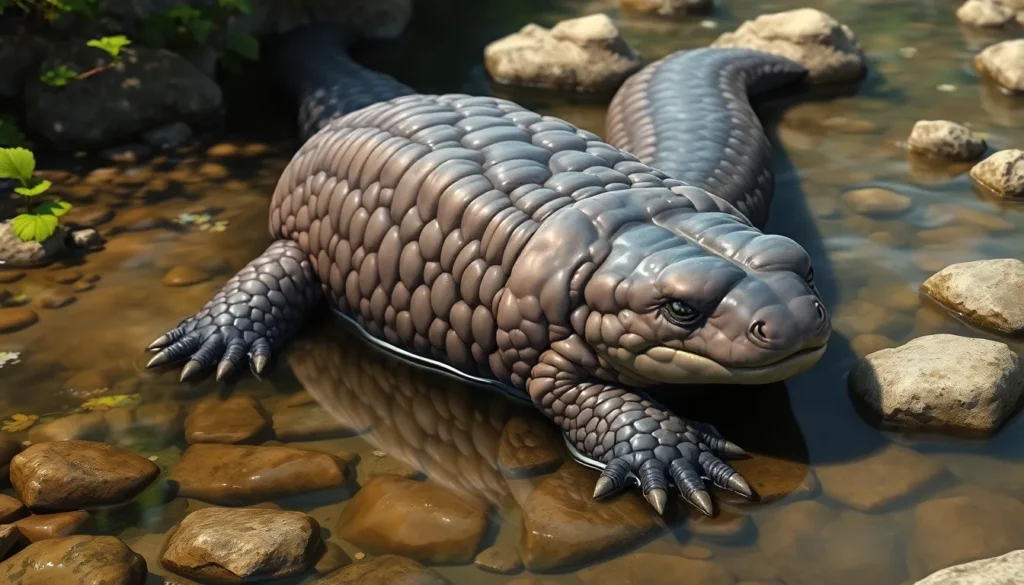
- Largest Salamander Species in Japan: The Japanese giant salamander (Andrias japonicus) is the largest salamander native to Japan and one of the largest amphibians worldwide, capable of growing up to 1.5 meters in length.
- Ancient Lineage: This species belongs to a lineage dating back around 170 million years, making it a living fossil with few changes over millions of years.
- Nocturnal Behavior: Japanese giant salamanders are primarily nocturnal, becoming active at night to hunt and avoid predators.
- Habitat Preference: They inhabit cool, fast-flowing mountain streams and rivers with clear water, which provide oxygen-rich environments crucial for their survival.
- Breathing Through Skin: These salamanders have highly permeable skin that allows them to absorb oxygen directly from the water, supplementing their lung breathing.
- Diet: They primarily feed on fish, insects, crustaceans, and other small aquatic animals, using a suction feeding mechanism.
- Longevity: Japanese giant salamanders can live for 50 years or more in the wild, with some individuals reported to live over 80 years in captivity.
- Reproduction: Mating occurs in late summer, with males guarding the eggs in underwater nests until they hatch, a behavior that increases offspring survival.
- Territorial: Males are territorial during the breeding season and will defend their nesting sites aggressively against rivals.
- Low Metabolism: Their slow metabolism allows them to survive in low-food conditions and endure long periods without eating.
- Body Structure: Their flattened, broad head and body help them remain concealed under rocks in fast-moving streams.
- Vocalizations: Unlike many amphibians, Japanese giant salamanders can produce croaking sounds, often during mating or territorial disputes.
- Conservation Status: The species is currently classified as Near Threatened due to habitat loss, pollution, and human disturbance.
- Legal Protection: They are protected under Japanese law, with efforts to preserve their natural habitats ongoing.
- Cultural Significance: The salamander holds a place in Japanese folklore and is sometimes seen as a symbol of the natural environment’s resilience.
- Slow Movement: Despite their large size, they move slowly and rely on camouflage rather than speed to avoid predators.
- Limited Distribution: Japanese giant salamanders are endemic to Japan and found mainly on the islands of Honshu, Shikoku, and Kyushu.
- Unique Skin Texture: Their skin is rough and wrinkled, which increases surface area for oxygen absorption and provides camouflage.
- Impact of Climate Change: Changes in water temperature and flow patterns due to climate change pose threats to their habitat and survival.
- Research Importance: Scientists study Japanese giant salamanders to understand amphibian evolution, physiology, and conservation biology.
- Indicator Species: Their sensitivity to water quality makes them important indicators of freshwater ecosystem health.
Habitat and Behavior
Japanese giant salamanders thrive in cool, clean mountain streams with rocky substrates where they can hide from predators. These amphibians are largely aquatic, spending most of their lives underwater. They exhibit nocturnal hunting habits, feeding on fish, insects, and other small aquatic creatures. Their slow metabolism allows them to endure periods with limited food availability, and their territorial nature is most evident during the breeding season when males guard nests of fertilized eggs. Their flattened bodies and mottled skin provide effective camouflage against the rocky stream beds they inhabit.
Why This Animal Matters
The Japanese giant salamander plays a significant ecological role by contributing to the balance of aquatic food webs in freshwater ecosystems. As a top predator in their niche, they help regulate populations of various aquatic organisms. Culturally, they are embedded in Japanese folklore and have been recognized as symbols of environmental health and biodiversity. Conservation efforts focused on this species also benefit other native aquatic organisms, emphasizing the interconnectedness of freshwater habitats. Their sensitivity to pollution and habitat alteration makes them valuable bioindicators for monitoring ecosystem health.
Common Misconceptions
Misconception: Japanese giant salamanders are dangerous to humans.
Correction: Despite their large size and intimidating appearance, Japanese giant salamanders are harmless to humans and tend to avoid contact.
Misconception: They can live out of water for long periods.
Correction: While they can breathe through their skin, Japanese giant salamanders require moist environments and remain primarily aquatic to maintain skin hydration and oxygen intake.
Misconception: They are closely related to newts.
Correction: Although both are amphibians, Japanese giant salamanders belong to the family Cryptobranchidae, which is distinct from the family Salamandridae that includes most newts.
FAQ
How big do Japanese giant salamanders get?
They can grow up to 1.5 meters (about 5 feet) in length, making them one of the largest salamander species in the world.
Are Japanese giant salamanders dangerous to humans?
No, they are not dangerous to humans. They are generally shy and avoid human contact.
Why are Japanese giant salamanders important to the ecosystem?
They serve as top aquatic predators that help maintain balanced populations of other organisms and are indicators of freshwater ecosystem health.




Leave a Reply