
Short Answer
21 Facts About Bioluminescent Fireflies
- Fireflies are beetles, not flies. Despite their common name, fireflies belong to the family Lampyridae within the order Coleoptera, which classifies them as beetles.
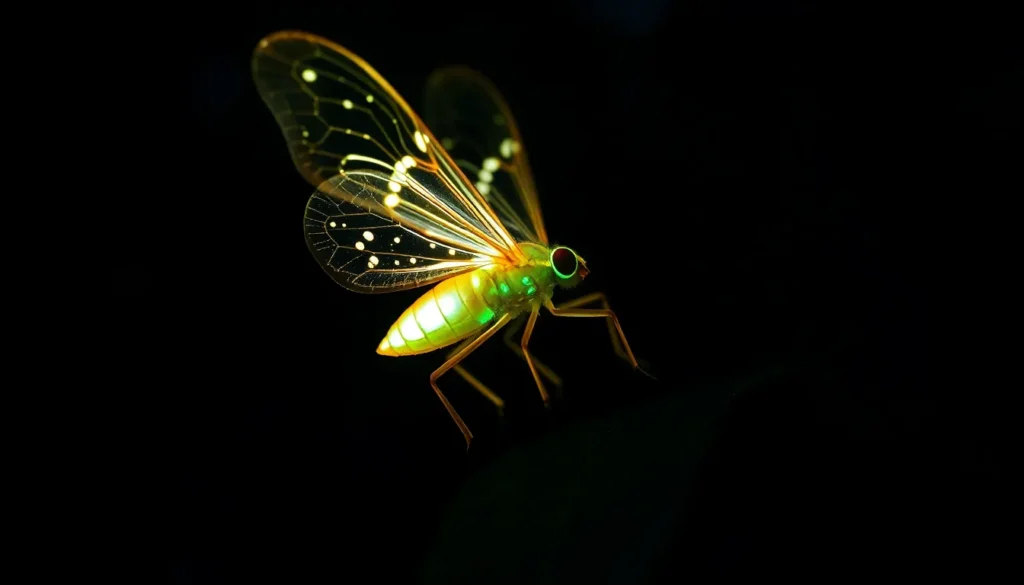
- Bioluminescence is produced through a chemical reaction. Fireflies create light via a reaction involving the enzyme luciferase acting on the molecule luciferin, in the presence of oxygen, ATP, and other cofactors.
- The light emitted is called cold light. This means it produces very little heat, making it an efficient signaling system.
- Each species has a unique flash pattern. Fireflies use species-specific light signals to attract mates and communicate, which helps prevent cross-species mating.
- Only adult fireflies produce light. While larvae of many species can also glow, the adult fireflies’ light is primarily used for mating displays.
- Firefly larvae are predatory. They often feed on small invertebrates such as snails, slugs, and worms, using bioluminescence possibly to deter predators.
- Some fireflies use their light to lure prey. Certain species mimic the flash patterns of other fireflies to attract and prey on males.
- Bioluminescence is used for defense. The light can warn predators of the fireflies’ unpalatability, as many species contain toxic chemicals.
- Firefly populations are declining globally. Habitat loss, light pollution, and pesticide use are significant threats to firefly numbers.
- Fireflies are found on every continent except Antarctica. They inhabit warm environments, including forests, fields, and wetlands.
- Fireflies have a short adult lifespan. Most adults live only a few weeks, during which they focus on reproduction.
- Bioluminescence evolved independently multiple times. Different groups of organisms, including fireflies, fungi, and marine animals, have separately developed light production.
- Firefly light color ranges from green to yellow. The wavelength depends on the species and sometimes the environment.
- Fireflies use their light to synchronize flashes. Some species exhibit synchronized flashing behavior, creating impressive natural light displays.
- Firefly mating rituals involve complex light signals. Males typically fly and flash to attract females, who respond with their own flashes from vegetation.
- Not all fireflies glow as adults. Some species have lost bioluminescence or have reduced light production in adults.
- Fireflies have been studied for medical and environmental applications. The luciferase enzyme is widely used in biochemical assays and research.
- Bioluminescence helps reduce predation risk at night. The light signals can confuse or deter nocturnal predators.
- Firefly flashes can be influenced by environmental factors. Temperature, humidity, and moonlight affect the timing and frequency of flashing.
- Some cultures regard fireflies as symbols of summer and romance. They feature prominently in folklore, literature, and festivals worldwide.
- Light pollution negatively impacts firefly communication. Artificial lighting can interfere with their ability to see and respond to flashes, disrupting mating.
Habitat and Behavior
Bioluminescent fireflies are primarily found in warm, temperate, and tropical regions worldwide, except for Antarctica. They favor habitats such as forests, grasslands, wetlands, and areas near bodies of water where humidity is relatively high. Fireflies are nocturnal insects; they become active after dusk and use their bioluminescent flashes primarily for mating communication. Males typically fly and emit species-specific flash patterns to attract females, which respond with their own light signals from resting positions. Firefly larvae are often found in moist soil or leaf litter, where they hunt for small invertebrates. The adult fireflies’ primary goal is reproduction, and they generally live only a few weeks after emerging from pupae. Environmental factors, such as temperature and ambient light, influence their flashing behavior and activity levels.
Why This Animal Matters
Fireflies play important ecological roles as both predators and prey in their ecosystems. Their larvae help control populations of pest invertebrates such as snails and slugs, contributing to soil health and biodiversity. Additionally, fireflies serve as indicators of environmental quality; their presence often reflects healthy habitats with low pollution levels. Culturally, fireflies have inspired folklore, art, and seasonal celebrations in many parts of the world, symbolizing themes like love, hope, and natural beauty. Scientifically, the bioluminescent mechanisms of fireflies have advanced biomedical research, enabling innovations such as non-invasive imaging and diagnostic tools. Conservation concerns have grown due to habitat destruction and light pollution, making fireflies a focus of environmental awareness and protection efforts.
Common Misconceptions
Misconception: Fireflies are a type of fly.
Correction: Fireflies are beetles, belonging to the family Lampyridae, and are not true flies.
Misconception: All fireflies produce light.
Correction: While many firefly species produce bioluminescent light, some species or life stages do not emit light.
Misconception: Firefly light is produced by electricity.
Correction: Firefly bioluminescence results from a chemical reaction involving the enzyme luciferase, not electrical processes.
Misconception: Fireflies can bite or sting humans.
Correction: Fireflies do not bite or sting; they are harmless to humans.
Misconception: Collecting fireflies does not affect their populations.
Correction: Excessive collection and habitat disturbance can negatively impact local firefly populations.
FAQ
How do fireflies produce light?
Fireflies produce light through a chemical reaction involving the enzyme luciferase acting on luciferin in the presence of oxygen and ATP. This reaction emits light without generating significant heat.
Why do fireflies flash their lights?
Fireflies use their flashes primarily for mating communication. Each species has unique flash patterns that males use to attract females, who respond with their own flashes to signal receptivity.
Are fireflies harmful to humans?
Fireflies are harmless to humans. They do not bite or sting and do not carry diseases. Their light is safe and is primarily used to attract mates or deter predators.


Leave a Reply